Sprouted Pea Soup
Sprouted pea soup is a vibrant and creamy dish that’s packed with nutrients. I love using fresh sprouted peas for their nutty sweetness, combined with sautéed onions, garlic, and aromatic herbs. Not only does it provide a comforting meal, but it also offers a boost of plant-based protein and fiber. You can easily customize it with smoky spices or fresh herbs for an extra kick. And if you want to explore more delicious twists, just keep on exploring!
Key Takeaways
- Sprouted pea soup is made with fresh sprouted peas, aromatic onions, garlic, carrots, celery, vegetable broth, and coconut milk for creaminess.
- Cooking involves sautéing aromatics, adding sprouted peas, simmering in broth, and blending for a smooth texture.
- It’s rich in plant-based protein, fiber, and essential vitamins A, C, and K, promoting digestive health and immune support.
- Flavor can be enhanced with smoked paprika, fresh herbs, citrus zest, or garnishes like crispy bacon or yogurt.
- The soup can be served hot or chilled, making it versatile for various occasions and perfect for meal prep.
What Are Sprouted Peas?
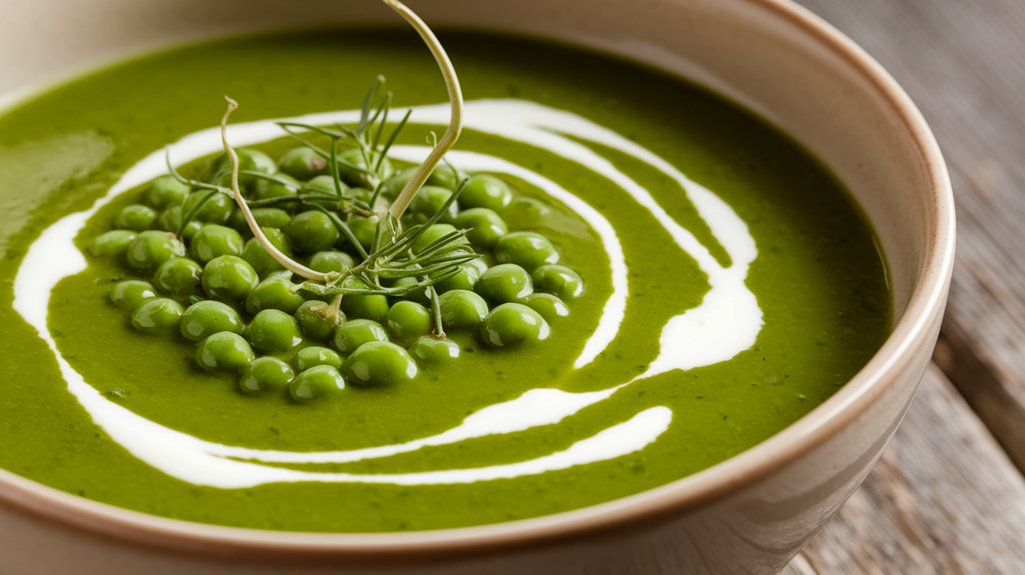
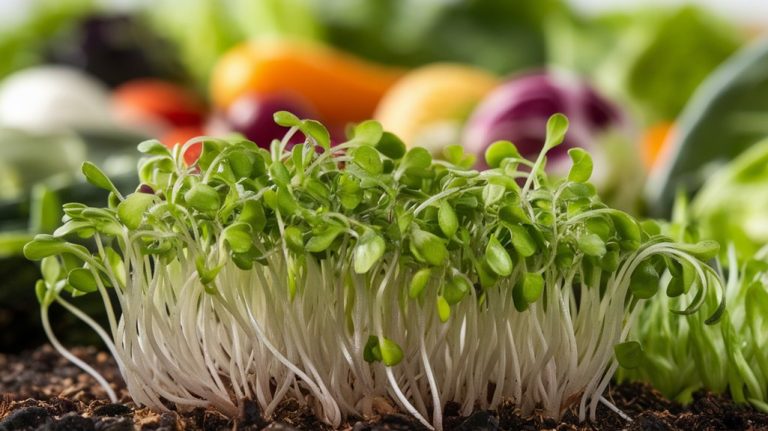
When I think of sprouted peas, I imagine vibrant green gems bursting with life and nutrition. These little wonders are simply dried peas that have begun to germinate, transforming into a crunchy, nutrient-packed powerhouse.
Sprouting unlocks their full potential, enhancing their flavor and making them easier to digest. You’ll find that sprouted peas are rich in vitamins, minerals, and antioxidants, which contribute to a well-rounded diet.
They’re also incredibly versatile; you can toss them into salads, blend them into smoothies, or enjoy them raw as a snack. The process of sprouting is simple and rewarding, allowing you to connect with your food and appreciate its journey from seed to plate.
Give sprouted peas a try—you won’t be disappointed!
Health Benefits of Sprouted Pea Soup
Although sprouted pea soup might seem like just another dish, it’s packed with health benefits that can elevate your wellness journey. This vibrant soup isn’t just comforting; it’s a powerhouse of nutrition.
- Rich in Protein: Sprouted peas offer a plant-based protein boost, essential for muscle repair and growth.
- High in Fiber: This soup aids digestion, keeping you feeling full and satisfied longer.
- Packed with Vitamins: Sprouted peas are loaded with vitamins A, C, and K, supporting your immune system and overall health.
Incorporating sprouted pea soup into your meals can transform your diet. Not only does it taste amazing, but it also nourishes your body, helping you feel your best every day.
Ingredients for Sprouted Pea Soup
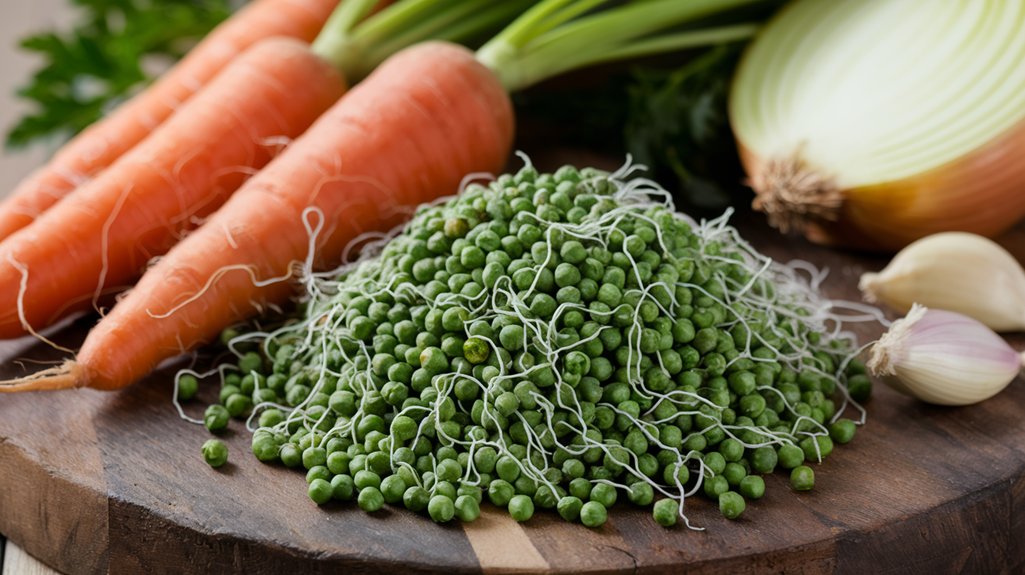
To create a delicious sprouted pea soup, you’ll need a handful of simple yet flavorful ingredients that come together beautifully.
Start with fresh sprouted peas, which provide a nutty sweetness and vibrant green color. You’ll also want some aromatic onions and garlic to build a savory foundation. A few carrots and celery stalks will add depth and texture.
Don’t forget a handful of fresh herbs like thyme or parsley for that burst of freshness. For a creamy finish, I like to include a splash of vegetable broth and a touch of coconut milk.
Finally, seasoning with salt, pepper, and a squeeze of lemon juice elevates the flavors, making each spoonful irresistible. Gather these ingredients, and you’re ready to make magic happen!
Preparation Steps
Let’s dive into the preparation steps for your sprouted pea soup, where the magic truly begins.
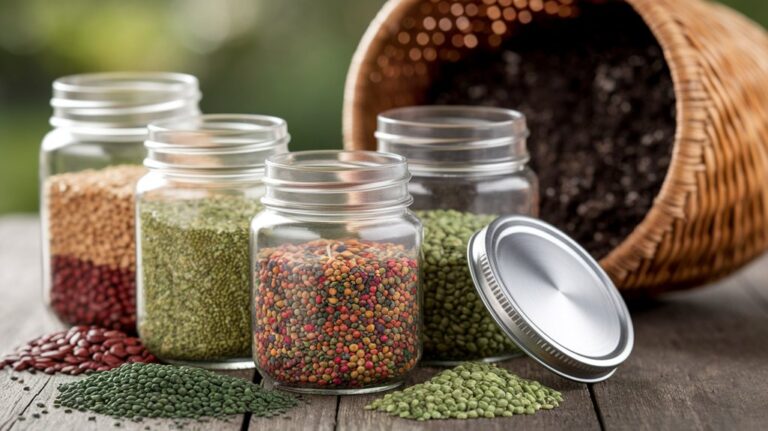
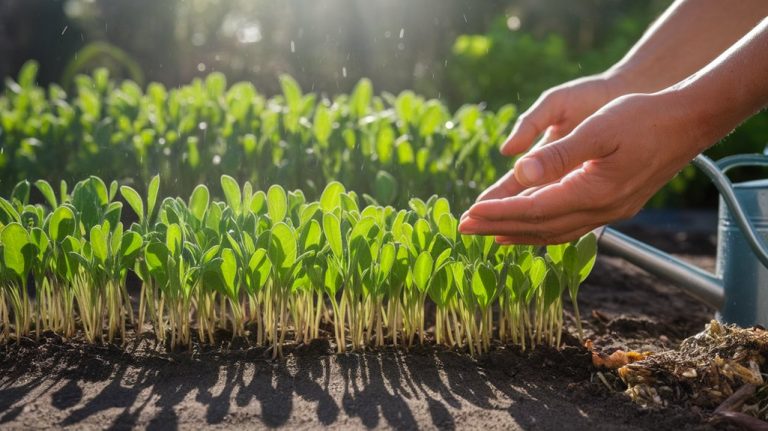
First, I soak the dried peas in water overnight, allowing them to absorb moisture and sprout. This process enhances their flavor and nutrients, which is a delightful benefit.
Once they’ve sprouted, I rinse them thoroughly to remove any residue.
Next, I gather my chosen aromatics and fresh herbs, as they’ll elevate the soup’s character.
Here are some key preparation steps:
- Chop your vegetables: Dice onions, garlic, and carrots to create a flavorful base.
- Rinse the sprouted peas: Ensure they’re clean and ready for cooking.
- Prep your herbs: Chop fresh herbs to add a burst of freshness.
With these steps complete, I’m ready to cook!
Cooking Techniques
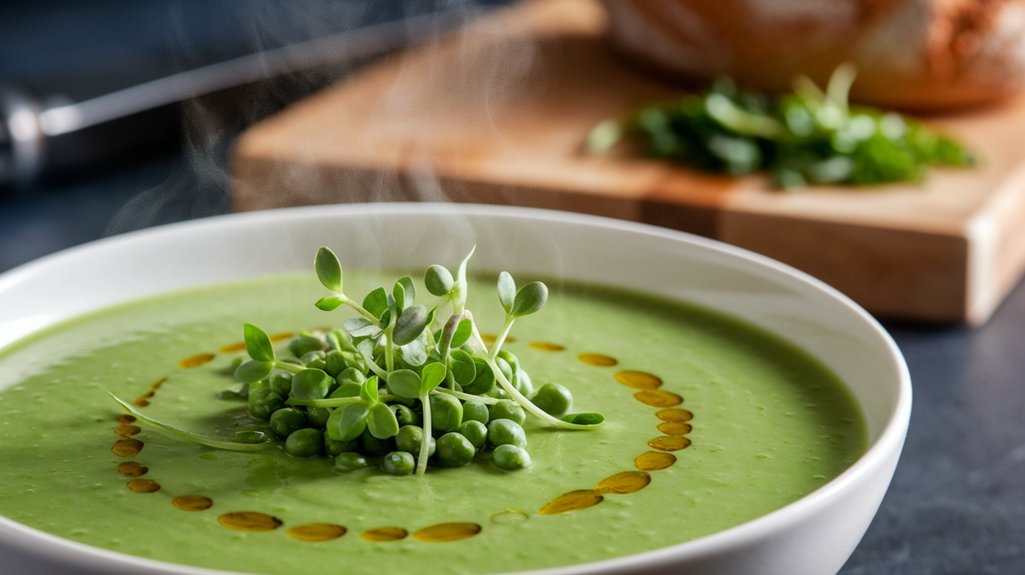
With my ingredients prepped and ready, it’s time to explore the cooking techniques that will bring my sprouted pea soup to life.
First, I heat a splash of olive oil in a pot over medium heat, allowing the aroma to envelop my kitchen. I sauté onions and garlic until they’re translucent, creating a fragrant base.
Next, I add the sprouted peas, stirring them gently to incorporate the flavors. Pouring in vegetable broth, I bring the mixture to a gentle simmer, letting it bubble away for about 20 minutes. This step softens the peas, making them perfect for blending.
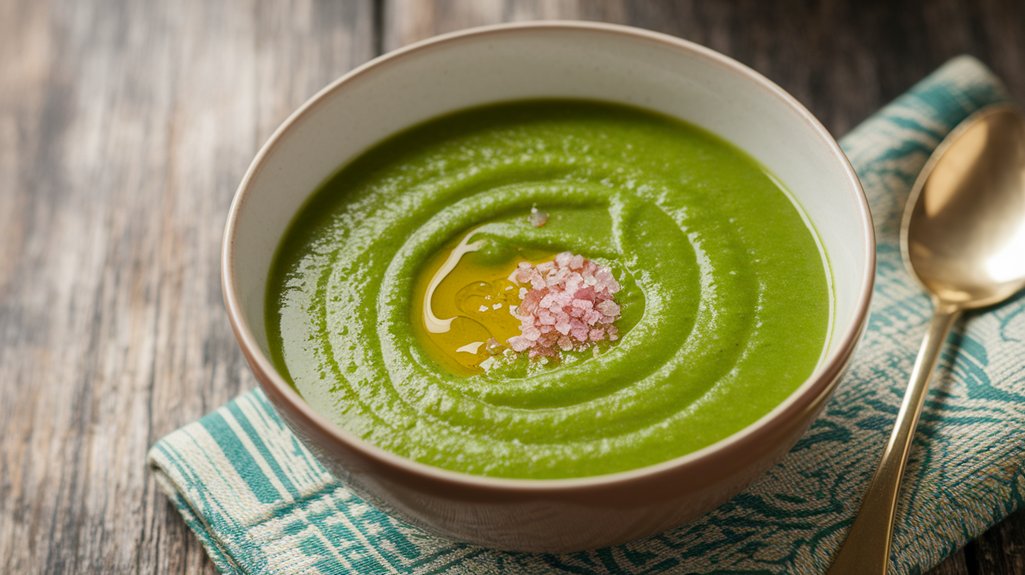
Once cooked, I use an immersion blender to achieve a creamy consistency, ensuring every spoonful of soup is velvety smooth and inviting.
Flavor Enhancements
As I delve into the world of flavor enhancements for my sprouted pea soup, I realize that the right seasonings can elevate this simple dish to new heights.
A touch of creativity makes all the difference, transforming the soup from ordinary to extraordinary. Here are a few enhancements I love to include:
- Smoked Paprika: It adds a subtle smokiness that deepens the flavor profile.
- Fresh Herbs: A sprinkle of dill or mint brings vibrant freshness, balancing the earthiness of the peas.
- Citrus Zest: A dash of lemon or lime zest brightens the soup, adding a zesty punch.
Experimenting with these ingredients not only amplifies taste but also makes for a delightful culinary adventure.
Your taste buds will thank you!
Serving Suggestions
When I serve my sprouted pea soup, I love to get creative with garnishes and toppings that elevate its fresh flavors.
A sprinkle of crispy bacon or a dollop of tangy yogurt can add a delightful contrast, while a slice of crusty bread makes the perfect companion.
Together, these elements transform a simple bowl of soup into a comforting and satisfying meal.
Garnishes and Toppings Ideas
A delightful bowl of sprouted pea soup can be elevated to new heights with the right garnishes and toppings. I love to get creative here, as the right additions can enhance both flavor and presentation.
Here are a few ideas that I often use:
- Crispy Bacon Bits: The salty crunch adds a beautiful contrast to the smooth soup.
- Fresh Herbs: A sprinkle of chopped mint or basil brightens the dish and adds freshness.
- Drizzle of Olive Oil: A swirl of high-quality olive oil enriches the flavor and gives a luxurious finish.
Experimenting with these toppings not only makes the soup visually appealing, but it also allows you to tailor the flavors to your preferences.
Enjoy the transformation!
Pairing With Bread Options
While enjoying a warm bowl of sprouted pea soup, I find that the right bread can truly enhance the overall experience.
A crusty sourdough, with its tangy notes and chewy texture, pairs beautifully, complementing the soup’s earthy flavors. If I’m in the mood for something lighter, a slice of whole grain bread, packed with seeds, adds a nutty crunch that’s delightful.
For a comforting touch, I often reach for a buttery baguette; its soft interior soaks up the soup splendidly. And let’s not overlook a warm focaccia, drizzled with olive oil, which is perfect for dipping.
Each choice brings its own charm, making the meal not just nourishing, but truly satisfying. What’s your favorite bread to pair?
Storage Tips
To keep your sprouted pea soup tasting fresh and vibrant, I recommend storing it in an airtight container right after it cools down. This simple step locks in the flavors and prevents any unwanted odors from mingling in your fridge.
I usually place it in the fridge where it stays good for about 3 to 5 days.
Here are a few tips to keep in mind:
- Label your container: Mark the date you made it to track freshness easily.
- Freeze for later: If you have leftovers, pour some into freezer-safe containers for a quick meal later.
- Reheat gently: When you’re ready to enjoy it again, reheat on low to preserve that delicious texture.
Happy storing!
Variations of Sprouted Pea Soup
After storing your sprouted pea soup, you might find yourself wanting to switch things up a bit.
One of my favorite variations is to add a splash of coconut milk and a hint of curry powder for a tropical twist. If you’re craving something heartier, toss in some diced sweet potatoes or carrots while blending; they add sweetness and texture.
For a refreshing touch, try stirring in some fresh herbs like mint or cilantro right before serving. Want a bit of crunch? Top your bowl with toasted pine nuts or pumpkin seeds.
Each variation brings a unique flair, making this soup versatile and exciting. Experimenting with flavors can turn a simple dish into a delightful meal!
Frequently Asked Questions
Can I Use Frozen Sprouted Peas for the Soup?
Absolutely, you can use frozen sprouted peas for your soup!
I love the convenience of frozen veggies; they save me time and still pack a nutritional punch. Just make sure to thaw them first, as this helps maintain their texture and flavor.
When I add them to my soups, they blend beautifully and provide a wonderful sweetness. Trust me, using frozen sprouted peas will still give you a delicious, hearty dish!
How Long Can I Keep Sprouted Peas Before Cooking?
I usually keep sprouted peas in my fridge for about 3 to 5 days before cooking them.
They’re best when they’re fresh and crisp, so I make sure to check for any signs of spoilage, like sliminess or an off smell.
If I can’t use them in time, I often toss them into a salad or smoothie to avoid waste.
It’s amazing how versatile these little sprouts can be!
Are Sprouted Peas Suitable for a Raw Diet?
Absolutely, sprouted peas are perfect for a raw diet!
I find their crunchy texture and fresh flavor irresistible. When I include them in salads or wraps, they add a delightful burst of nutrition.
They’re rich in vitamins, minerals, and enzymes, making them a fantastic addition to any raw meal.
Just ensure they’re properly rinsed and stored.
Trust me, incorporating them into my meals has transformed my approach to healthy eating.
What Type of Blender Is Best for Pureeing the Soup?
When it comes to pureeing soups, I’ve found that a high-speed blender works wonders. Brands like Vitamix or Blendtec make blending effortless, creating a smooth, velvety texture.
If you’re looking for something more affordable, a good immersion blender can also do the trick, allowing me to puree right in the pot. Whichever you choose, make sure it handles hot liquids well to avoid any splatters!
Can I Add Meat or Other Proteins to the Soup?
Absolutely, you can add meat or other proteins to your soup!
I love incorporating shredded chicken or diced ham for an extra layer of flavor and heartiness.
Tofu or beans are great vegetarian options that boost protein without compromising taste.
When I add these ingredients, I usually toss them in during the last few minutes of cooking to ensure everything melds beautifully.
It’s a delightful way to customize your soup and make it even more satisfying!
Conclusion
In conclusion, sprouted pea soup is not just a nourishing dish; it’s a celebration of flavors and health. By incorporating sprouted peas, you’re enriching your meals with nutrients and a delightful texture. Whether you’re savoring the soup on a chilly evening or sharing it with loved ones, it’s sure to impress. So, grab your ingredients, unleash your creativity, and enjoy each comforting spoonful of this vibrant, wholesome delight! You won’t regret diving into this delicious experience.