What Are Microgreens? Nutritional Benefits Backed by Research
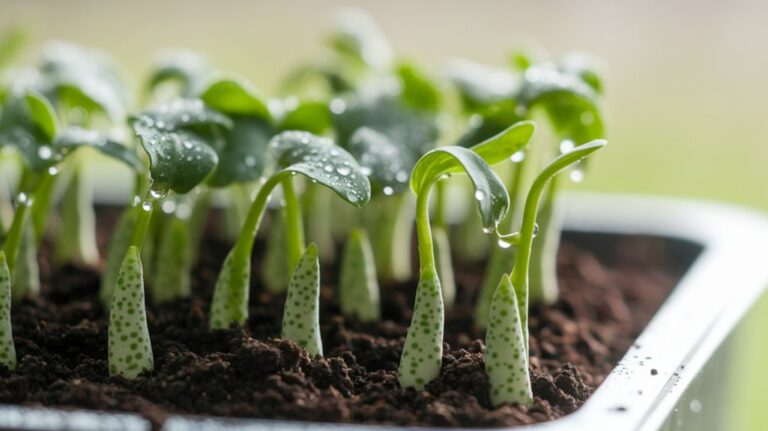
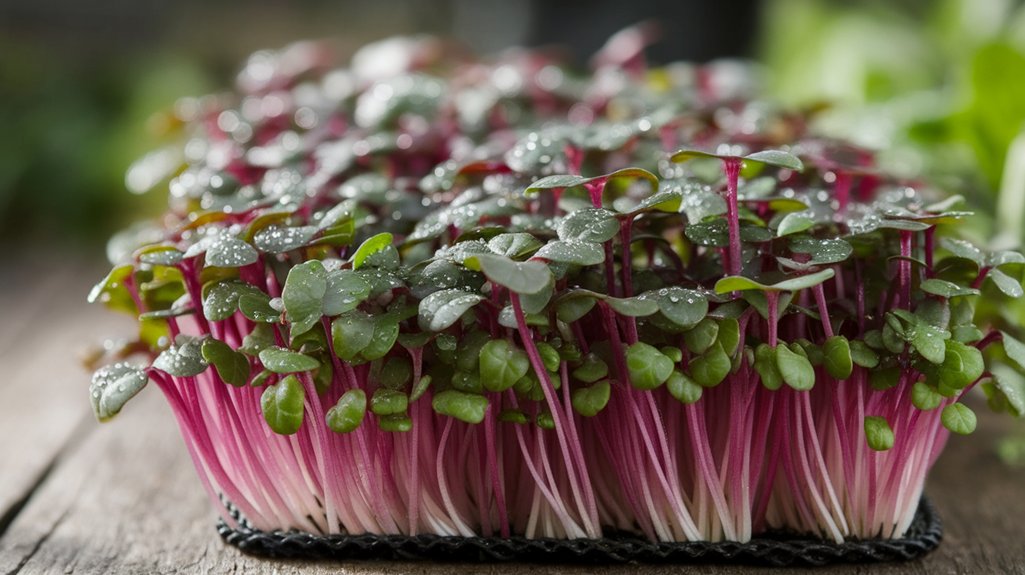
Microgreens are young seedlings of edible plants, harvested just after their first true leaves appear. They’re packed with vitamins, minerals, and antioxidants, often containing up to 40 times more nutrients than mature vegetables. Research highlights that broccoli microgreens are especially rich in sulforaphane, aiding in cancer prevention, while others like red cabbage offer high levels of vitamin C and E. As you explore, you’ll find even more ways to enhance your diet with these nutrient-dense superfoods.
Key Takeaways
- Microgreens are young seedlings of edible vegetables and herbs, harvested shortly after the first true leaves appear.
- They are nutrient-dense, often containing up to 40 times more vitamins and minerals than mature vegetables.
- Common microgreens like broccoli and red cabbage are rich in vitamins C and E, supporting immune function and overall health.
- Research shows microgreens possess antioxidant properties that help protect against oxidative stress and may reduce inflammation.
- Including a variety of microgreens in your diet can optimize nutrient intake and promote better digestion and heart health.
Understanding Microgreens: What They Are and How They’re Grown
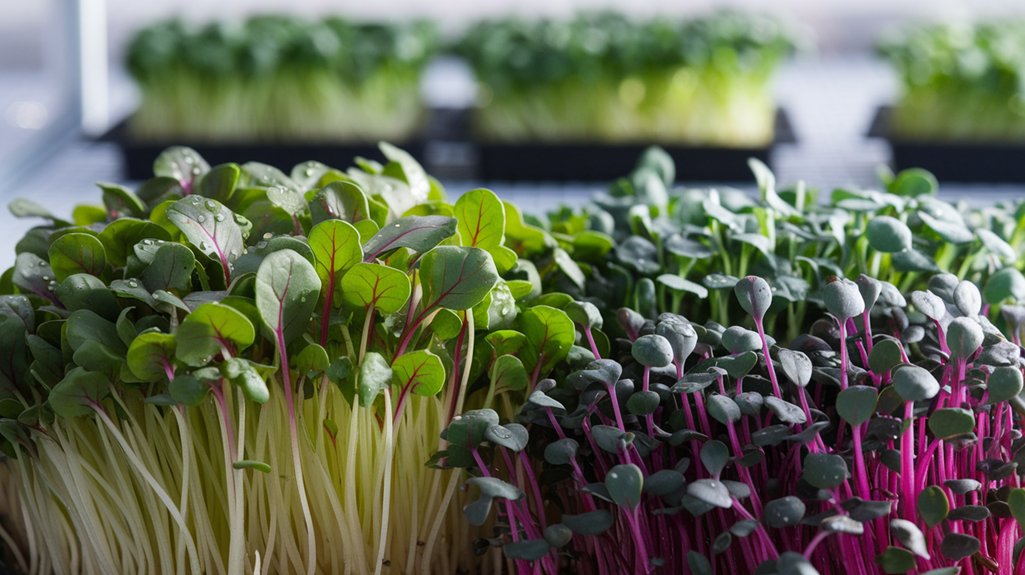
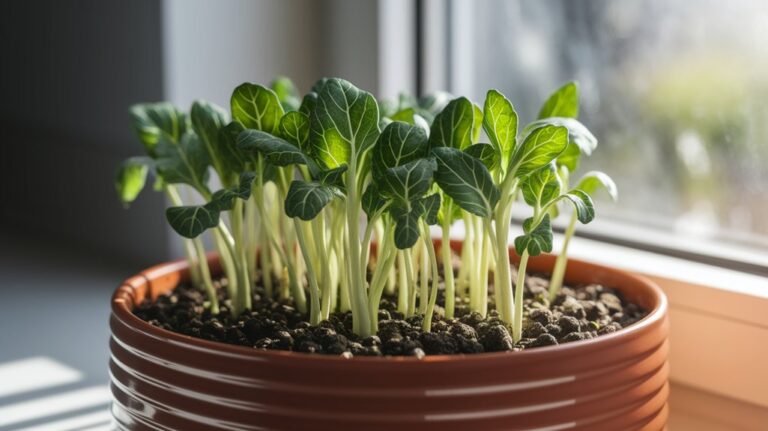
When I think about microgreens, I’m reminded that these tiny plants pack a powerful nutritional punch. Microgreens are young seedlings of edible vegetables and herbs, harvested just after the first true leaves appear.
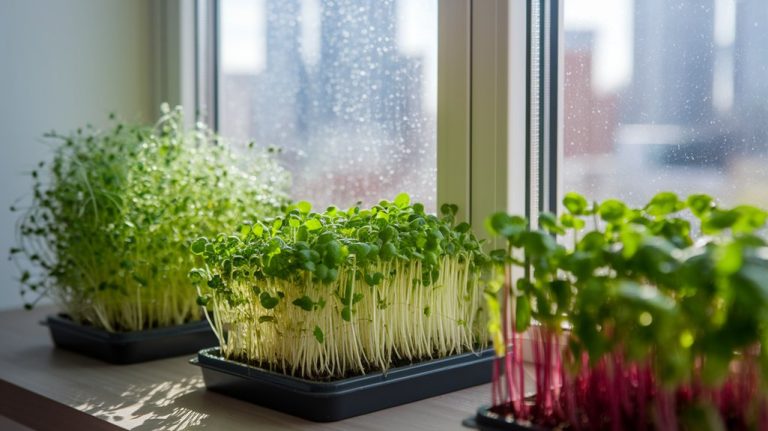
They’re typically grown in soil or a growth medium, requiring minimal space and a short cultivation period of 7 to 21 days. I find it fascinating that they can be grown indoors or outdoors, making them accessible for anyone, regardless of gardening experience.
With their vibrant colors and intense flavors, microgreens add a gourmet touch to dishes. They’re not just visually appealing; their concentrated nutrient levels make them a smart choice for enhancing meals.
Understanding how they’re grown truly highlights their potential as a culinary and healthful addition.
Nutritional Profile: Why Microgreens Are a Superfood
Microgreens truly stand out as a superfood due to their impressive nutritional profile. Packed with vitamins, minerals, and antioxidants, these tiny greens deliver concentrated nutrition in every bite. Research shows they often contain higher nutrient levels compared to their mature counterparts.
Here’s a quick comparison of some common microgreens:
| Microgreen | Nutrients per 100g |
|---|---|
| Broccoli | 35% Vitamin C, 25% Vitamin K |
| Radish | 14% Vitamin C, 8% Folate |
| Pea Shoots | 34% Vitamin C, 16% Vitamin A |
| Sunflower | 25% Vitamin E, 23% Magnesium |
| Basil | 39% Vitamin K, 29% Calcium |
Incorporating microgreens into your meals can boost your overall nutrient intake significantly.
Health Benefits of Microgreens: A Closer Look
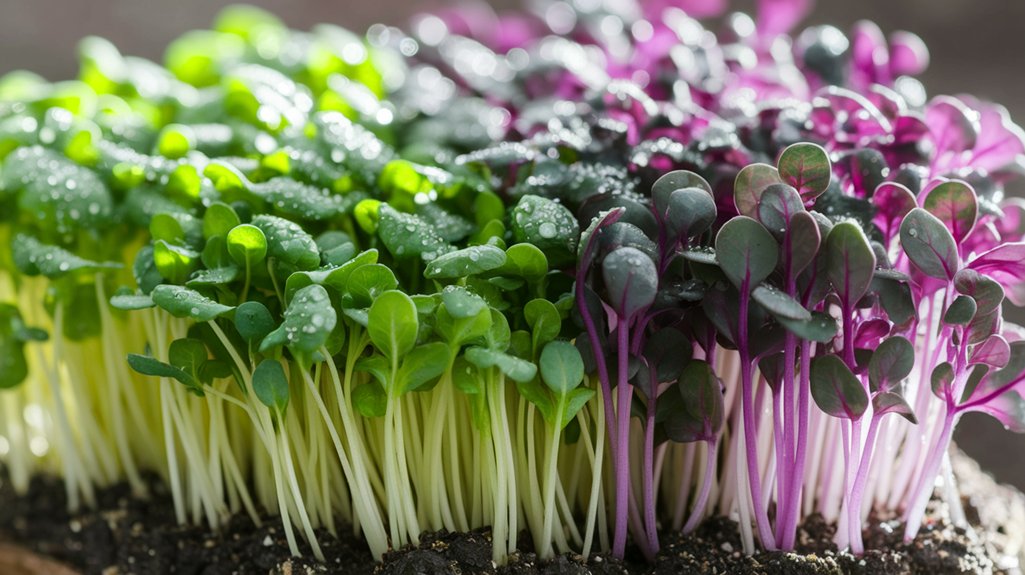
When I think about the health benefits of microgreens, I’m amazed by their nutrient density compared to mature vegetables.
Research highlights their rich antioxidant properties, which can help protect our bodies from oxidative stress.
Plus, exploring their potential health benefits reveals how these tiny greens might support our overall well-being.
Nutrient Density Comparison
Although many might overlook their potential, microgreens pack a surprising punch in nutrient density compared to their mature counterparts. Research shows that these tiny greens can contain up to 40 times more vitamins and minerals than fully grown vegetables.
For instance, studies indicate that varieties like kale and radish microgreens are particularly high in vitamins C, E, and K, which are essential for immune function and bone health.
I’ve found that incorporating microgreens into my meals not only enhances flavor but also boosts nutrition significantly. With their concentrated nutrient profiles, they serve as an excellent addition to salads, sandwiches, and smoothies.
Antioxidant Properties Explained
Packed with an array of antioxidants, microgreens offer significant health benefits that can enhance our overall well-being.
Research shows that these tiny greens contain high levels of essential antioxidants like vitamin C, vitamin E, and various polyphenols. These compounds play a crucial role in neutralizing free radicals in our bodies, which can reduce oxidative stress and lower the risk of chronic diseases.
I’ve found that incorporating microgreens into my diet not only boosts flavor but also increases my antioxidant intake.
Studies indicate that some microgreens, such as red cabbage and cilantro, have even higher antioxidant levels than their mature counterparts.
Potential Health Benefits
Microgreens aren’t just a flavorful addition to meals; they also offer a range of potential health benefits that can positively impact our daily lives.
Research shows that these tiny greens are packed with vitamins, minerals, and antioxidants, often containing higher concentrations than their mature counterparts. For instance, studies indicate that microgreens like broccoli and radish can significantly enhance our intake of essential nutrients, supporting overall health and reducing the risk of chronic diseases.
They may also aid in digestion and improve heart health due to their fiber content and anti-inflammatory properties.
Incorporating microgreens into my diet has made it easier to boost my nutrient intake while enjoying diverse flavors, proving that small changes can lead to significant health improvements.
Key Nutrients Found in Popular Microgreens
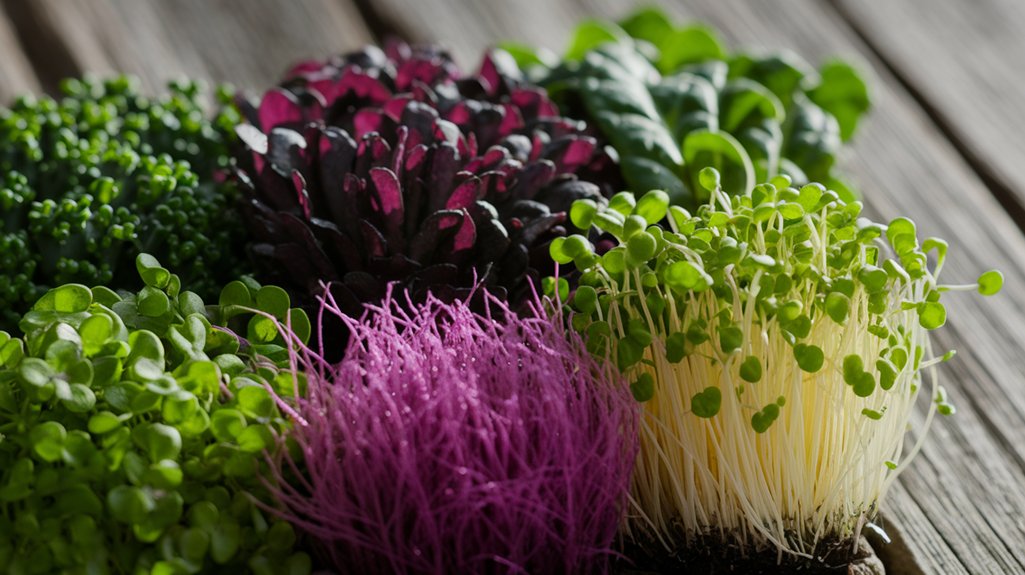
A variety of essential nutrients can be found in popular microgreens, making them a valuable addition to any diet. For instance, broccoli microgreens are packed with sulforaphane, a compound linked to cancer-fighting properties.
Meanwhile, red clover microgreens contain high levels of vitamin C and antioxidants, promoting a healthy immune system. Pea shoots provide a good source of vitamins A, C, and K, which support eye health and bone density.
Additionally, sunflower microgreens are rich in healthy fats, proteins, and minerals like magnesium. These nutrients not only enhance flavor but also boost the nutritional profile of salads, sandwiches, and smoothies.
Incorporating a variety of microgreens into meals can optimize nutrient intake and support overall health.
Research Studies Supporting the Health Claims of Microgreens
While I’ve enjoyed incorporating microgreens into my meals, I’ve also delved into various research studies that highlight their health benefits.
Studies show that microgreens can offer significantly higher levels of vitamins and antioxidants compared to their mature counterparts. For instance, research published in the Journal of Agricultural and Food Chemistry found that red cabbage microgreens contain up to 40 times more vitamin E and C than mature cabbage.
Another study indicates that microgreens like broccoli can reduce inflammation and boost the immune system due to their high glucosinolate content.
This evidence suggests that including microgreens in my diet can enhance nutrient intake and potentially support overall health, making them a valuable addition to my meals.
How to Incorporate Microgreens Into Your Diet
If you’re looking to boost your meals with vibrant flavors and nutrients, incorporating microgreens is an excellent choice.
I love adding them to salads for an extra crunch and a pop of color. They’re also fantastic on sandwiches or wraps, elevating the taste and nutritional profile.
Try tossing a handful into smoothies; they blend seamlessly and add essential vitamins without overpowering the flavor.
I often sprinkle microgreens over soups or stir-fries just before serving for a fresh touch.
Additionally, you can use them as a garnish for omelets or grain bowls.
The versatility of microgreens means you can experiment with different varieties, each offering unique flavors and health benefits.
Start small, and you’ll quickly find favorites!
Frequently Asked Questions
Can Microgreens Be Grown Indoors Year-Round?
Absolutely, I’ve grown microgreens indoors year-round with great success.
They thrive in small containers and need minimal space, making them perfect for indoor gardening. I use a sunny windowsill or a grow light to provide adequate light.
With the right soil and moisture, I’ve noticed they sprout quickly and can be harvested within weeks.
It’s a rewarding way to enjoy fresh greens regardless of the season!
Are There Any Potential Allergens in Microgreens?
Yes, there can be potential allergens in microgreens, just like with any other plant.
I’ve found that some individuals may react to specific varieties, such as mustard or radish microgreens.
It’s essential to be cautious, especially if you have a history of food allergies.
I always recommend starting with small amounts to see how your body reacts.
If you’re unsure, consult a healthcare professional before adding them to your diet.
How Do Microgreens Compare to Mature Vegetables in Nutrients?
When I compare microgreens to mature vegetables, I find that microgreens often pack a higher nutrient density.
They contain more vitamins, minerals, and antioxidants per gram, which can boost my diet significantly.
For instance, some studies show that microgreens like broccoli and radish have up to 40 times more nutrients than their mature counterparts.
Incorporating them into my meals adds not only flavor but also a powerful nutritional punch.
What Is the Best Way to Store Microgreens?
I’ve found the best way to store microgreens is in a sealed container in the fridge.
I gently rinse them, making sure to dry them thoroughly, as excess moisture can lead to spoilage.
I prefer using a paper towel at the bottom of the container to absorb any moisture.
This method keeps them fresh for up to a week, allowing me to enjoy their vibrant flavors and nutrients longer.
Can Microgreens Be Used in Smoothies or Juices?
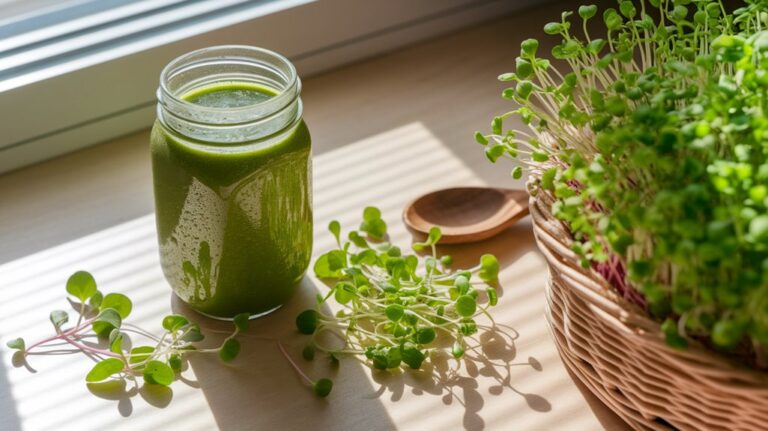
Absolutely, I love adding microgreens to my smoothies and juices! They blend seamlessly and boost the nutritional value without overpowering the flavor.
I often toss in a handful of arugula or sunflower microgreens for a peppery kick or a bit of pea shoots for sweetness.
They’re packed with vitamins and minerals, making my drinks not just tasty, but also nutrient-dense.
Give it a try; you’ll enjoy the freshness they bring!
Conclusion
Incorporating microgreens into your diet is a simple way to boost your nutritional intake. Their impressive nutrient density and various health benefits are backed by research, making them a valuable addition to meals. Whether you sprinkle them on salads, blend them into smoothies, or use them as a garnish, you can enjoy both the flavors and the health advantages. So, why not give microgreens a try and enhance your meals with these tiny powerhouses?