Fenugreek Sprout Paratha: Healthy Indian Flatbread
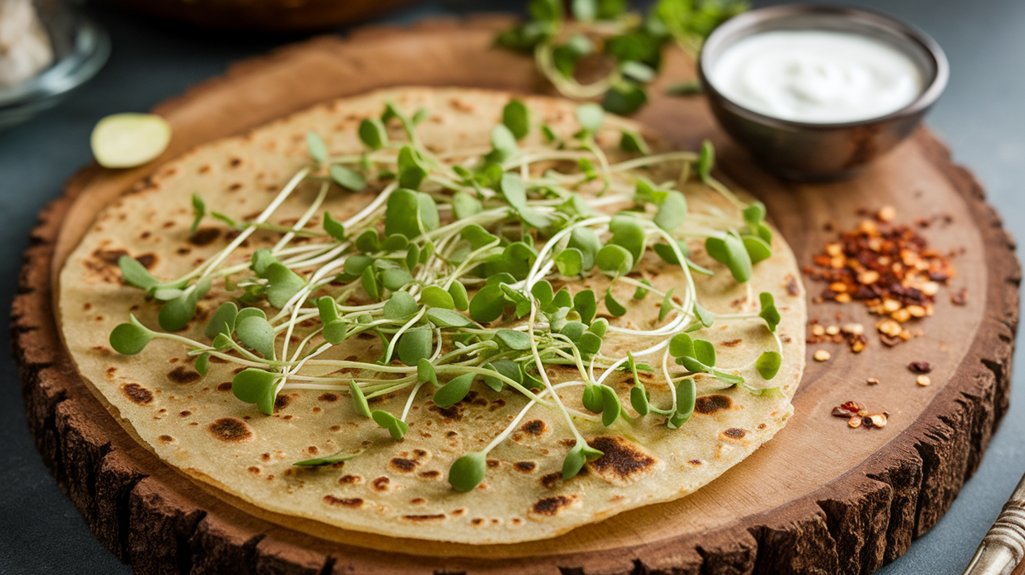
Fenugreek sprout paratha is a delicious and nutritious Indian flatbread. I love how it combines the health benefits of fenugreek, which aids in digestion and helps manage blood sugar, with whole wheat flour. These parathas are packed with protein and dietary fiber, making them great for a balanced meal. Plus, you can enhance their flavor with various fillings and spices. Stick around, and I’ll share more tips and serving suggestions to elevate your paratha experience.
Key Takeaways
- Fenugreek sprout paratha is a nutritious Indian flatbread, rich in vitamins and minerals beneficial for overall health.
- The dish combines whole wheat flour and fenugreek sprouts, enhancing flavor and nutritional value.
- High in protein and dietary fiber, fenugreek sprout paratha supports muscle health and aids digestion.
- It can be filled with various ingredients like potatoes, paneer, or mixed vegetables for added taste and nutrition.
- Gluten-free alternatives like chickpea or almond flour can be used for those with dietary restrictions.
What Is Fenugreek and Its Health Benefits?
Fenugreek, a herb native to the Mediterranean and Asia, has been cherished for centuries not just for its culinary uses but also for its array of health benefits.
I’ve found that its seeds and leaves are packed with nutrients, including vitamins A, C, and K, and minerals like iron and manganese. Research suggests that fenugreek may help manage blood sugar levels, making it a potential ally for those with diabetes.
Its anti-inflammatory properties can promote digestive health and may even alleviate menstrual discomfort.
I appreciate how this versatile herb can be easily incorporated into meals, adding both flavor and nutrition. Whether in a dish or as a supplement, fenugreek has something valuable to offer for overall well-being.
The Nutritional Value of Fenugreek Sprouts
While many people appreciate fenugreek for its flavor, the nutritional value of its sprouts often goes underappreciated.
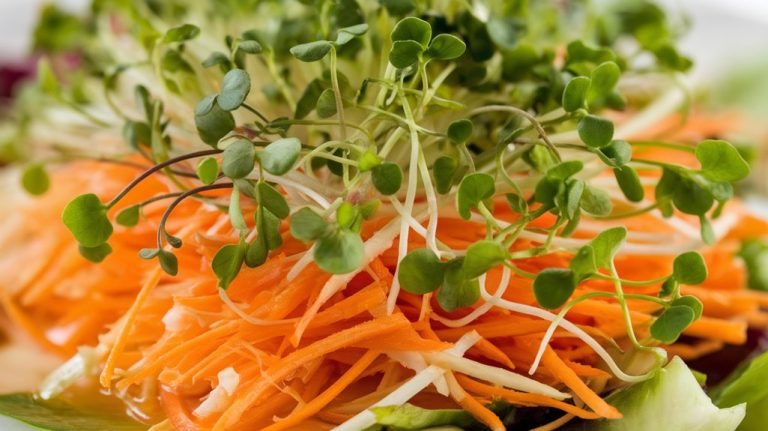
I’ve found that these tiny greens pack a powerful punch when it comes to health benefits. They’re not just tasty; they’re also nutrient-dense.
Here’s what makes fenugreek sprouts a fantastic addition to any diet:
- High in protein, which helps in muscle repair and growth.
- Rich in dietary fiber, promoting digestive health.
- Packed with vitamins A, C, and K, boosting immunity and overall health.
- Contains antioxidants that fight free radicals and reduce inflammation.
- Low in calories, making them a great choice for weight management.
Incorporating fenugreek sprouts into my meals has certainly added both flavor and nutrition!
Ingredients Needed for Fenugreek Sprout Paratha
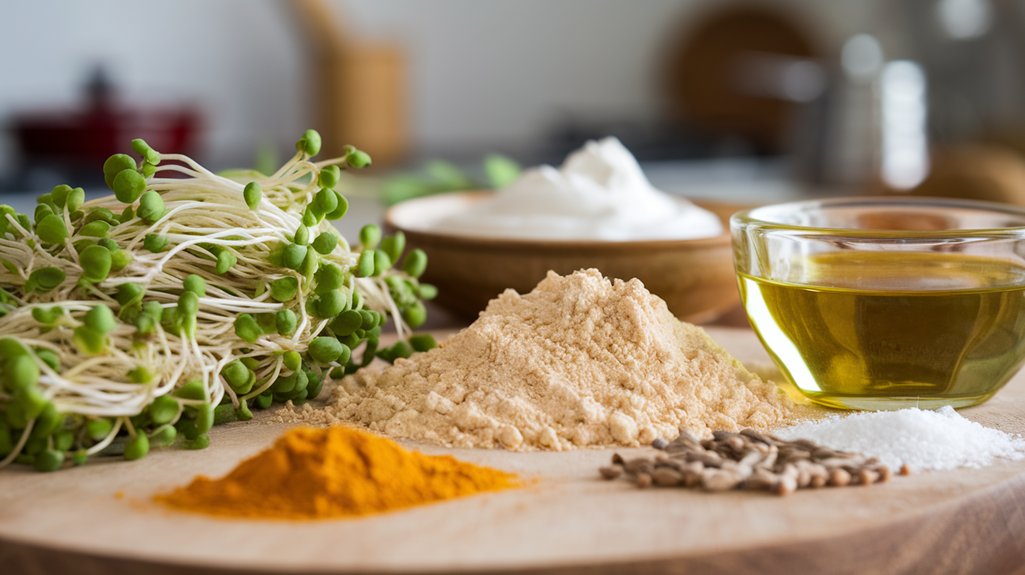
When I decided to make fenugreek sprout paratha, I quickly realized that the ingredients were both simple and wholesome. First, I gathered whole wheat flour, which serves as the base for the paratha.
Next, I included fresh fenugreek sprouts, packed with nutrients and flavor. I also added a pinch of salt to enhance the taste.
To elevate the flavor profile, I often incorporate spices like cumin seeds and turmeric. A little water is essential for kneading the dough, and I sometimes use a splash of oil for added richness.
Lastly, I keep some ghee or oil on hand for cooking the parathas, ensuring they come out crispy and delicious. With these ingredients, I’m well-equipped to make a nutritious flatbread.
Step-by-Step Instructions to Prepare the Dough
To prepare the dough for fenugreek sprout paratha, I start by combining two cups of whole wheat flour in a mixing bowl.
Next, I add a pinch of salt to enhance the flavor.
Then, I gradually pour in water, mixing until the dough forms a cohesive ball.
I knead the dough for about 5-7 minutes until it’s smooth and elastic.
After that, I cover it with a damp cloth and let it rest for at least 30 minutes.
This resting period helps develop the gluten, making the parathas softer.
- Use warm water for better dough consistency.
- Adjust the water based on flour quality.
- Resting helps with rolling.
- Kneading is crucial for texture.
- Always use fresh ingredients for optimal flavor.
How to Make Fenugreek Sprouts at Home
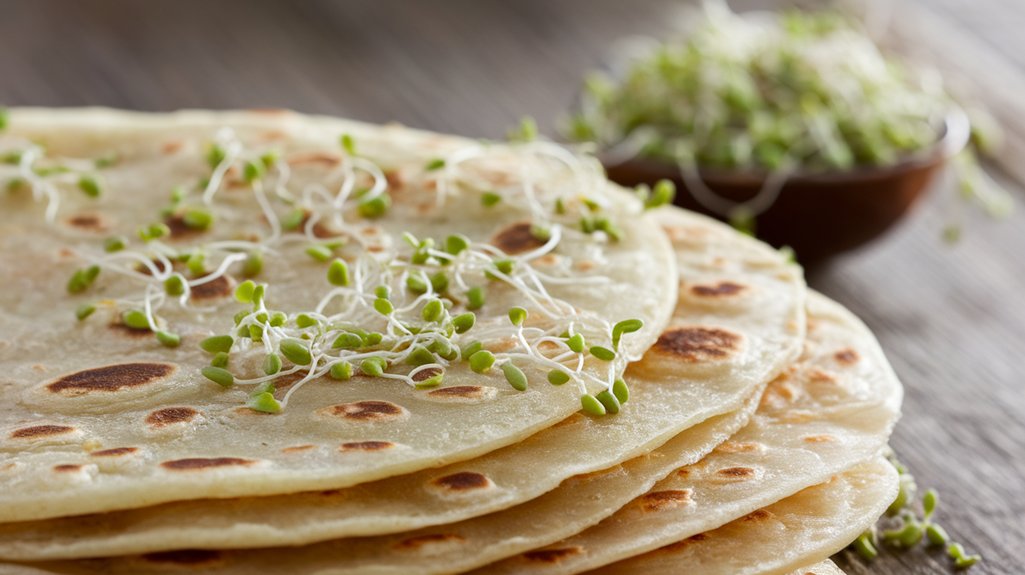
After preparing the dough for the fenugreek sprout paratha, it’s time to grow the fenugreek sprouts that will add a burst of flavor and nutrition to the dish.
I start by rinsing a tablespoon of fenugreek seeds in water, making sure they’re clean. Then, I soak the seeds in water for about 6 to 8 hours.
After draining the water, I place the seeds in a sprouting jar or a cloth, keeping them moist but not soaked. I leave them in a warm, dark place for about 2 to 3 days, rinsing them twice daily.
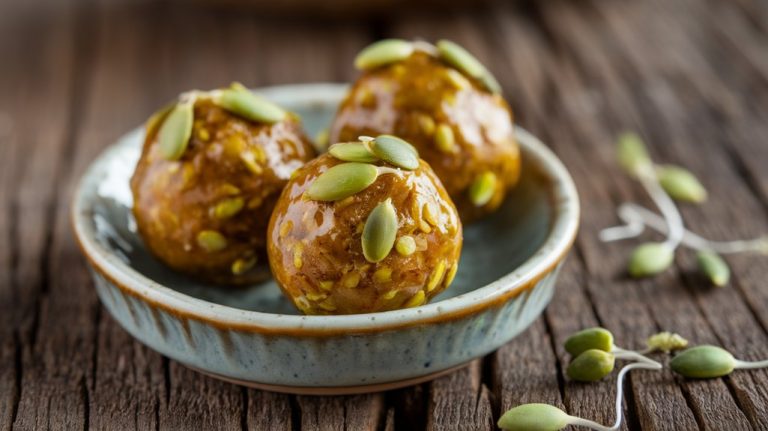
Once I see tiny green sprouts, they’re ready to use! This simple method yields fresh, nutritious sprouts perfect for enhancing my paratha.
Rolling and Cooking the Paratha
When it comes to rolling and cooking the paratha, I’ve found that using a light hand while rolling helps maintain its thickness and texture.
I’ll share some effective techniques that make this process easier, along with various cooking methods to enhance flavor.
Understanding these steps can really elevate your fenugreek sprout paratha experience.
Rolling Technique Tips
Mastering the rolling technique for your Fenugreek Sprout Paratha can significantly enhance its texture and taste. Here are some tips I’ve found helpful:
- Use a well-floured surface: This prevents sticking and ensures an even roll.
- Start with smaller balls of dough: It’s easier to roll and manage.
- Apply even pressure: Use your palms to flatten the dough, then roll from the center outward.
- Rotate the dough frequently: This helps achieve a round shape and prevents uneven thickness.
- Don’t rush: Take your time to roll gently for the best results.
Cooking Methods Explained
To achieve the perfect Fenugreek Sprout Paratha, understanding the cooking methods is just as crucial as mastering the rolling technique. I usually heat a tawa or skillet to medium-high, ensuring it’s hot enough for even cooking. I place the rolled paratha on the tawa and cook it for about 1-2 minutes until bubbles form. Then, I flip it, adding a bit of ghee or oil to enhance flavor and crispiness. After another 1-2 minutes, I flip again until golden brown.
Here’s a quick reference table for cooking times and temperatures:
| Step | Time | Temperature |
|---|---|---|
| Initial Cook | 1-2 minutes | Medium-High |
| Flip & Oil | 1-2 minutes | Medium-High |
| Final Flip | 1-2 minutes | Medium-High |
Serving Suggestions and Accompaniments
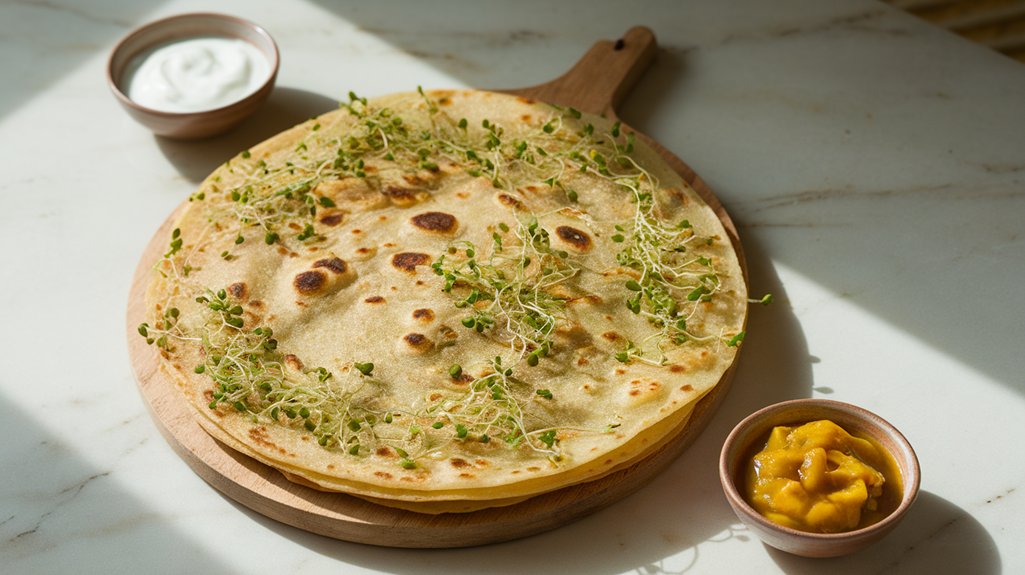
Serving fenugreek sprout parathas can be a delightful experience, with a variety of accompaniments enhancing their flavor and nutrition.
I love to pair these nutritious flatbreads with items that complement their earthy taste and add a burst of freshness. Here are some of my favorite accompaniments:
- Plain yogurt or raita: This cool, creamy option balances the spices beautifully.
- Mint chutney: Its refreshing flavor adds a zesty kick.
- Pickles: A tangy pickle provides an exciting contrast to the paratha.
- Sautéed vegetables: Lightly seasoned veggies boost the meal’s nutritional value.
- Lentil soup: A warm lentil dish adds protein and heartiness to the meal.
These accompaniments not only enhance the meal but also create a well-rounded dining experience.
Tips for Perfectly Cooked Parathas
While cooking parathas might seem straightforward, there are several key tips that can elevate your flatbreads from average to exceptional.
First, ensure your dough is well-kneaded; this develops gluten, making the parathas soft and pliable. I usually let the dough rest for at least 30 minutes to enhance its elasticity.
When rolling out the parathas, aim for uniform thickness to ensure even cooking. I often use a light dusting of flour to prevent sticking.
For cooking, heat your skillet adequately before placing the paratha on it, and cook on medium heat to avoid burning.
Don’t forget to apply ghee or oil generously on both sides, as this adds flavor and helps achieve that golden, crispy texture we all love.
Variations to Try With Fenugreek Sprout Paratha
When it comes to variations of fenugreek sprout paratha, I’ve found a few exciting options that can elevate your meal.
You might enjoy a spicy masala filling for an extra kick, or a cheese and herb blend for a creamy twist.
If you’re looking for gluten-free alternatives, experimenting with different flours can also yield delicious results.
Spicy Masala Filling
To elevate the flavor of your Fenugreek Sprout Paratha, experimenting with a spicy masala filling can truly make a difference.
I love incorporating a variety of spices and ingredients that not only enhance taste but also add nutritional value. Here are some ideas you can try:
- Potatoes: Mashed and seasoned with cumin and chili powder for a comforting base.
- Paneer: Crumbled and spiced with garam masala for a protein boost.
- Chickpeas: Cooked and mashed, seasoned with coriander and turmeric for a hearty filling.
- Mixed Vegetables: A medley of carrots, peas, and beans, spiced with curry powder for added texture.
- Lentils: Cooked and spiced, they bring earthiness and protein to the paratha.
These fillings make your paratha both delicious and satisfying!
Cheese and Herb Blend
One of the most delightful ways to enhance your Fenugreek Sprout Paratha is by incorporating a cheese and herb blend.
I love using a mix of crumbled feta or mozzarella, combined with fresh herbs like cilantro, mint, or even chives. This combination not only adds a creamy texture but also elevates the flavor profile.
Research shows that cheese can provide essential calcium and protein, making your paratha more nutritious.
When mixing the herbs, consider adjusting the quantities to suit your taste preference; a little goes a long way!
Spread this blend inside the paratha before cooking, and you’ll enjoy a melty surprise with every bite.
It’s a simple variation that takes your paratha to a whole new level.
Gluten-Free Alternatives
What if you could enjoy Fenugreek Sprout Paratha without gluten? It’s easier than you think! By using gluten-free flours, you can create a deliciously healthy alternative.
Here are some variations to try:
- Brown Rice Flour: Offers a nutty flavor and good texture.
- Chickpea Flour (Besan): Packed with protein and gives a unique taste.
- Almond Flour: Adds healthy fats and a subtle sweetness.
- Oat Flour: Provides a mild flavor and a soft, chewy texture.
- Quinoa Flour: Complements the fenugreek with its earthy taste and high protein content.
These alternatives not only accommodate gluten sensitivities but also enhance the nutritional profile of your paratha.
Enjoy experimenting with these options!
Storing and Reheating Leftover Parathas
While enjoying Fenugreek Sprout Parathas is a delightful experience, knowing how to properly store and reheat any leftovers can significantly enhance their taste and texture.
I recommend wrapping the parathas in parchment paper or placing them in an airtight container before refrigerating. This helps retain moisture and prevents them from becoming soggy.
When you’re ready to enjoy them again, heat a skillet over medium heat and add a little ghee or oil. Place the paratha in the skillet for about 2-3 minutes on each side, or until it’s warm and crispy.
For quicker reheating, you can use the microwave, but be cautious to avoid making them chewy. Proper storage and reheating can make your leftovers feel fresh and delicious!
Frequently Asked Questions
Can I Use Dried Fenugreek Instead of Sprouts?
I’ve experimented with both dried fenugreek and sprouts in my cooking, and I can tell you they offer different flavors and textures.
Dried fenugreek has a more concentrated taste, while sprouts bring a fresh crunch.
If you’re looking for that distinct herbal note, dried fenugreek can work, but you might want to adjust the quantity.
Just keep in mind that the final dish will have a different character with dried fenugreek.
How Long Do Fenugreek Sprouts Last in the Fridge?
Fenugreek sprouts usually last about 3 to 5 days in the fridge if stored properly.
I always keep mine in a breathable container, like a paper bag or a perforated plastic bag, to maintain freshness.
I’ve found that checking them daily helps, too; if they start to smell off or look slimy, it’s time to toss them.
Enjoying them fresh ensures I get the most nutrients from these little powerhouses!
Is Fenugreek Sprout Paratha Suitable for Vegan Diets?
Absolutely, fenugreek sprout paratha can be suitable for vegan diets.
I’ve made it using whole wheat flour, water, and spices, all of which are plant-based. The fenugreek sprouts themselves add a nutritious boost without any animal products.
Just ensure that any added ingredients, like oil or toppings, are also vegan-friendly.
It’s a delicious option that fits perfectly into a vegan lifestyle while providing great flavor and nutrition.
What Can I Substitute for Whole Wheat Flour?
If you’re looking to substitute whole wheat flour, I’ve found a few great options.
For a gluten-free choice, almond flour or oat flour works well, though you might need to adjust the liquid in your recipe.
If you want something with similar nutrition, spelt flour is a fantastic alternative.
I’ve used it in various recipes, and it gives a lovely flavor while still being nutritious.
Just experiment a bit to find what you like best!
Can I Freeze Fenugreek Sprout Parathas?
Absolutely, you can freeze fenugreek sprout parathas!
I usually let them cool completely before stacking them with parchment paper in between to prevent sticking.
Then, I place them in an airtight container or a freezer bag.
They’ll stay fresh for about a month.
When I want to enjoy them, I just reheat them on a skillet or in the microwave.
It’s a great way to save time while enjoying a healthy meal!
Conclusion
In conclusion, fenugreek sprout paratha is not just a delicious flatbread; it’s also packed with health benefits. By incorporating fenugreek sprouts into your diet, you can enjoy improved digestion and more. Whether you’re enjoying it with yogurt or a spicy chutney, this recipe is versatile and nutritious. I encourage you to try making these parathas at home for a wholesome meal that’s easy to prepare and sure to impress your family and friends.