How to Incorporate Microgreens Into Your Breakfast Routine
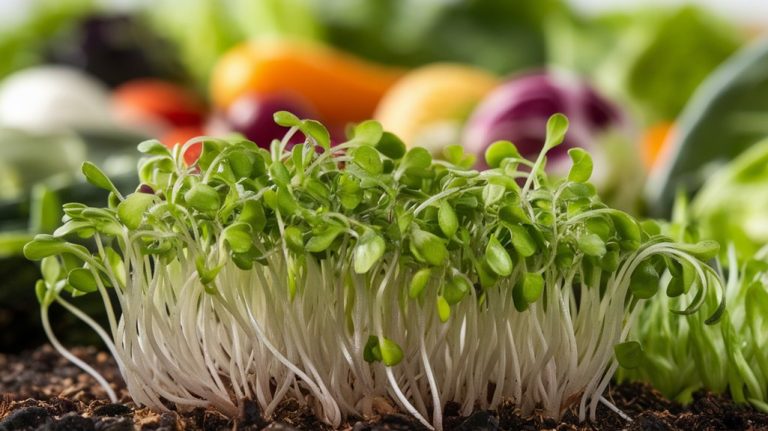
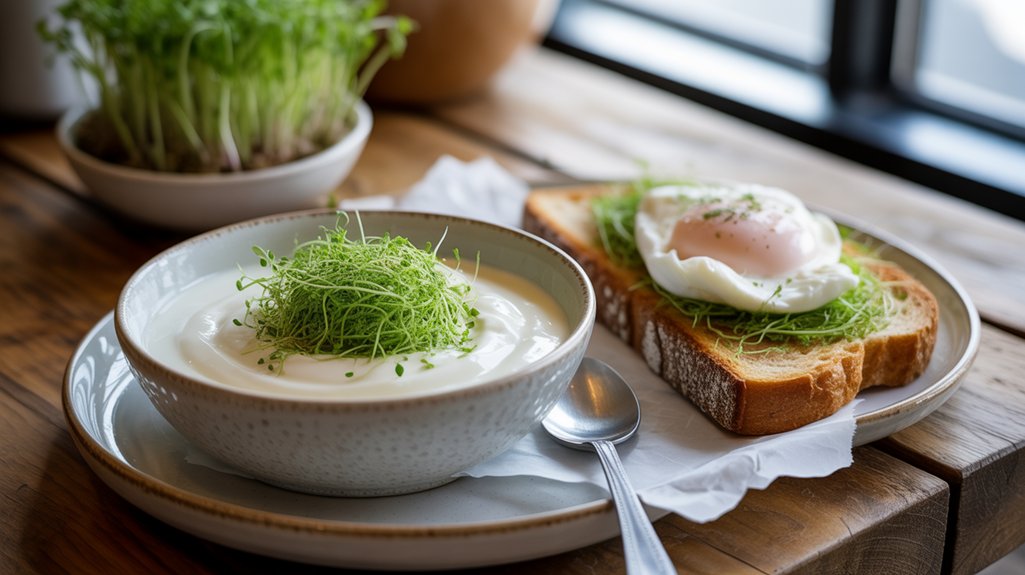
I love incorporating microgreens into my breakfast routine for an instant nutrition boost. I toss a quarter cup of arugula in my morning smoothie for added vitamins and antioxidants. They also elevate my omelets and breakfast wraps, adding flavor and vibrant color. I layer them on avocado toast or sprinkle them over my breakfast bowls for a fresh crunch. If you’re looking for more ways to enhance your meals with microgreens, there’s plenty more to explore!
Key Takeaways
- Add a quarter cup of microgreens to your smoothies for a nutrient boost and vibrant flavor.
- Enhance omelets by mixing in microgreens just before cooking for added taste and color.
- Top whole grain toast or avocado with microgreens for a fresh crunch and nutritional lift.
- Incorporate microgreens into breakfast bowls for extra vitamins and a colorful presentation.
- Layer microgreens in breakfast wraps or sandwiches to create nutrient-rich and delicious meals.
Adding Microgreens to Smoothies
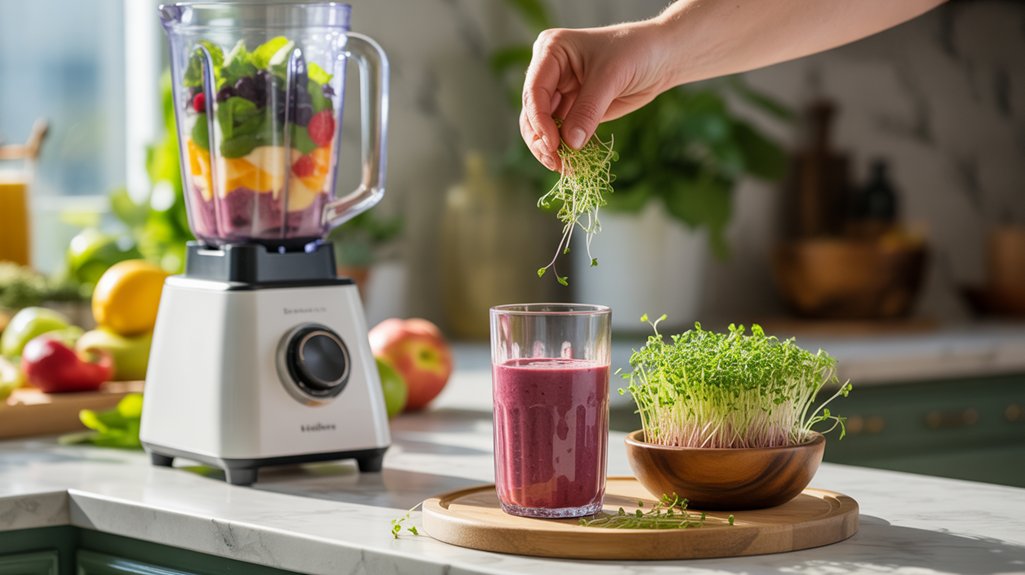
Smoothies are a fantastic canvas for creativity, and adding microgreens can elevate their nutritional profile significantly. I love tossing in a handful of these tiny powerhouses, like arugula or beet greens, to boost vitamins A, C, and K.
They’re also packed with antioxidants and can aid digestion. When I blend them with fruits like bananas or berries, the flavor stays vibrant without overpowering the smoothie.
To incorporate microgreens, I usually add about a quarter cup to my standard recipe. It’s an easy way to enhance both taste and nutrition.
Plus, they blend seamlessly, so you won’t even notice they’re there—except for the health benefits! Give it a try, and you might just find your new favorite breakfast boost.
Enhancing Omelets With Microgreens
While preparing an omelet, I often find that adding microgreens transforms a simple dish into something extraordinary. Microgreens, like arugula or radish greens, pack a flavor punch and boost nutritional value. They’re rich in vitamins C, E, and K, providing a healthy start to my day.
When I whisk my eggs, I toss in a handful of microgreens right before cooking. This not only enhances the taste but also adds a beautiful pop of color. I’ve discovered that they pair wonderfully with cheese and sautéed veggies, creating a delightful texture.
Plus, they’re easy to grow at home, ensuring I always have fresh options on hand. Incorporating microgreens into my omelets has truly elevated my breakfast routine.
Topping Toasts and Avocado With Microgreens
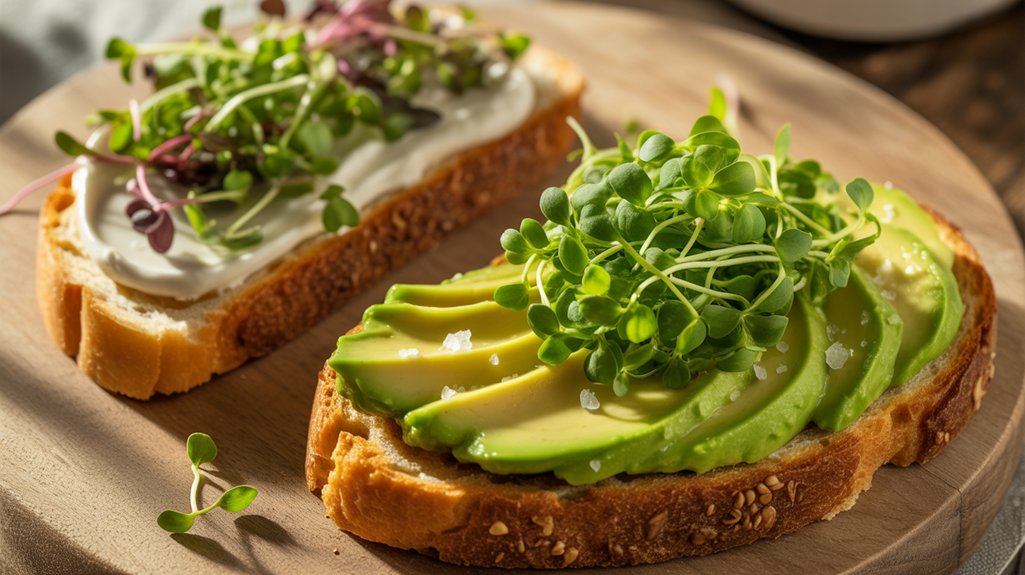
After enjoying microgreens in my omelets, I started exploring their versatility in other breakfast dishes, particularly on toasts and avocado. Topping whole grain toast with a spread like hummus or cream cheese creates a delightful base for microgreens.
I love using arugula or radish microgreens for their peppery bite, which adds a nice contrast to the creamy spreads.
When it comes to avocado toast, a sprinkle of microgreens elevates the dish both visually and nutritionally. Rich in vitamins and antioxidants, microgreens enhance the health benefits of avocados.
Plus, they add a fresh crunch that makes each bite more exciting. Experimenting with different varieties can keep your breakfast routine fresh and flavorful, ensuring you start your day on a nutritious note.
Incorporating Microgreens Into Breakfast Bowls
Breakfast bowls offer a fantastic opportunity to incorporate microgreens, making your morning meal both nutritious and visually appealing.
I love adding a handful of microgreens like arugula or radish sprouts to my breakfast bowls. They’re packed with vitamins and antioxidants, which can boost my energy levels for the day ahead.
To create a delicious bowl, I start with a base of whole grains like quinoa or brown rice.
Then, I add sautéed vegetables and a protein source, such as eggs or beans.
Finally, I sprinkle microgreens on top for a fresh crunch and vibrant color. Not only do they enhance the flavor, but they also elevate the nutritional profile of my meal, making it a winning breakfast choice!
Using Microgreens in Breakfast Wraps and Sandwiches

Incorporating microgreens into breakfast wraps and sandwiches can transform a simple meal into a nutrient-packed powerhouse.
These tiny greens are rich in vitamins, minerals, and antioxidants, making them an excellent addition to your morning routine.
Here’s how I like to use them:
- Layer them in wraps: I spread hummus or avocado on a whole grain wrap, then add scrambled eggs and a generous handful of microgreens for crunch and flavor.
- Add to sandwiches: I love a breakfast sandwich with egg, cheese, and a handful of spicy radish microgreens to elevate the taste.
- Mix into spreads: Blending microgreens into cream cheese or yogurt creates a delicious spread that I use on bagels or toast.
Try these ideas for a fresh take on breakfast!
Frequently Asked Questions
What Are the Health Benefits of Eating Microgreens?
Microgreens are packed with nutrients, offering a concentrated source of vitamins and minerals.
I’ve found they often contain higher levels of antioxidants compared to their mature counterparts. Eating them supports my immune system and may help reduce inflammation.
Plus, they’re low in calories, making them a great addition to my meals. Their vibrant flavors also enhance dishes, making healthy eating more enjoyable.
Trust me, adding microgreens to my diet has been a game-changer!
How Long Do Microgreens Typically Last in the Fridge?
Microgreens typically last about 5 to 14 days in the fridge, depending on the variety and how they’re stored.
I always keep mine in a breathable container, which helps maintain their freshness. When I notice any wilting or discoloration, I know it’s time to use them up.
Handling them gently also makes a big difference in extending their shelf life. So, treat them well, and you’ll enjoy their vibrant flavors longer!
Can I Grow My Own Microgreens at Home?
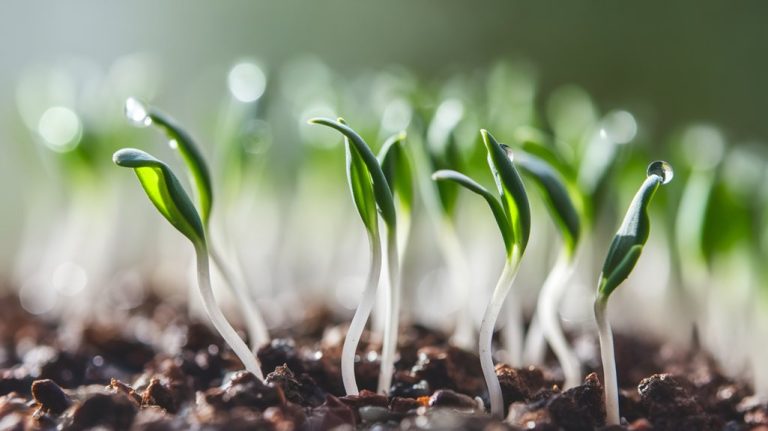
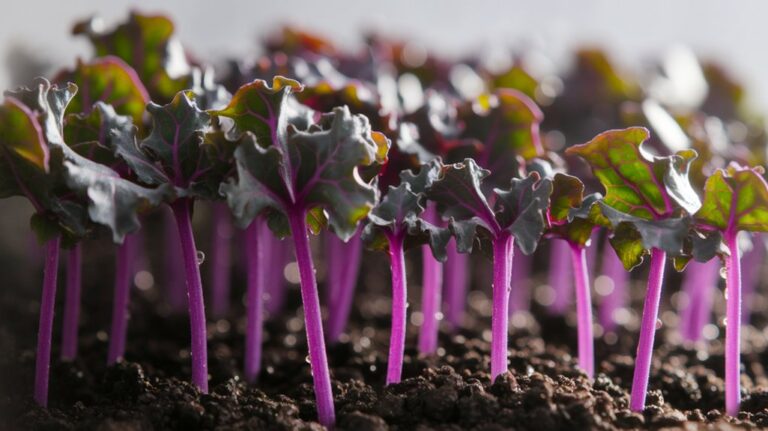
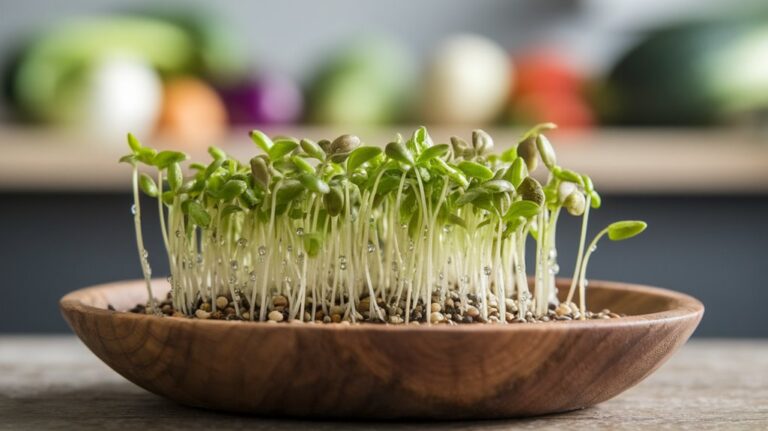
Absolutely, you can grow your own microgreens at home!
I’ve done it, and it’s quite simple. All you need is a shallow container, some quality soil, and seeds.
Just plant the seeds, water them lightly, and place them in a sunny spot.
In about 7 to 14 days, you’ll have fresh microgreens ready to harvest.
It’s a fun and rewarding process, plus it adds fresh flavors to your meals!
Are There Any Specific Microgreens to Avoid?
Yes, there are specific microgreens to avoid.
I’ve learned that some, like certain varieties of nightshade microgreens—think tomatoes and eggplants—can be toxic in large amounts.
Additionally, it’s best to stay away from those that might harbor harmful pathogens, such as raw sprouts.
Always ensure you’re sourcing your microgreens from reputable suppliers or growing them yourself under safe conditions.
Being cautious helps me enjoy the benefits without any health risks.
How Do I Store Leftover Microgreens?
I store leftover microgreens in a breathable container, like a paper towel-lined clamshell or a perforated bag.
This way, they stay fresh longer. I avoid airtight containers since they trap moisture, which can lead to spoilage.
I place them in the fridge and try to use them within a week for the best flavor and nutrition.
Just be sure to check for any wilting before using them in my meals.
Conclusion
Incorporating microgreens into your breakfast routine can elevate both the flavor and nutritional value of your meals. By adding them to smoothies, omelets, toasts, bowls, and wraps, you’re not just enhancing taste; you’re also boosting vitamins, minerals, and antioxidants. It’s a simple, practical way to make your mornings healthier and more delicious. So, why not give it a try? Your taste buds and body will thank you for this vibrant, nutritious addition to your breakfast!