The Immune‑Boosting Power of Sprouts: Vitamins, Enzymes, and More
Sprouts are incredible for boosting immunity, packed with essential vitamins, enzymes, and antioxidants. I’ve found that vitamins A, C, D, and E in sprouts help regulate immune responses and combat oxidative stress. They’re also rich in enzymes that enhance digestion and nutrient absorption. With their high fiber content, sprouts support gut health, which is vital for overall well-being. If you want to discover which sprouts to choose for maximum benefits, there’s much more to explore!
Key Takeaways
- Sprouts are nutrient-dense, containing vitamins A, C, D, and E that are crucial for enhancing immune function.
- They are rich in antioxidants, which combat oxidative stress and reduce the risk of chronic diseases.
- Sprouts contain enzymes that aid digestion, improving nutrient absorption and overall health.
- The high fiber content in sprouts supports gut health, crucial for effective immune responses.
- Including a variety of sprouts in your diet can provide diverse vitamins and minerals to boost immunity.
Understanding Sprouts: A Nutritional Overview
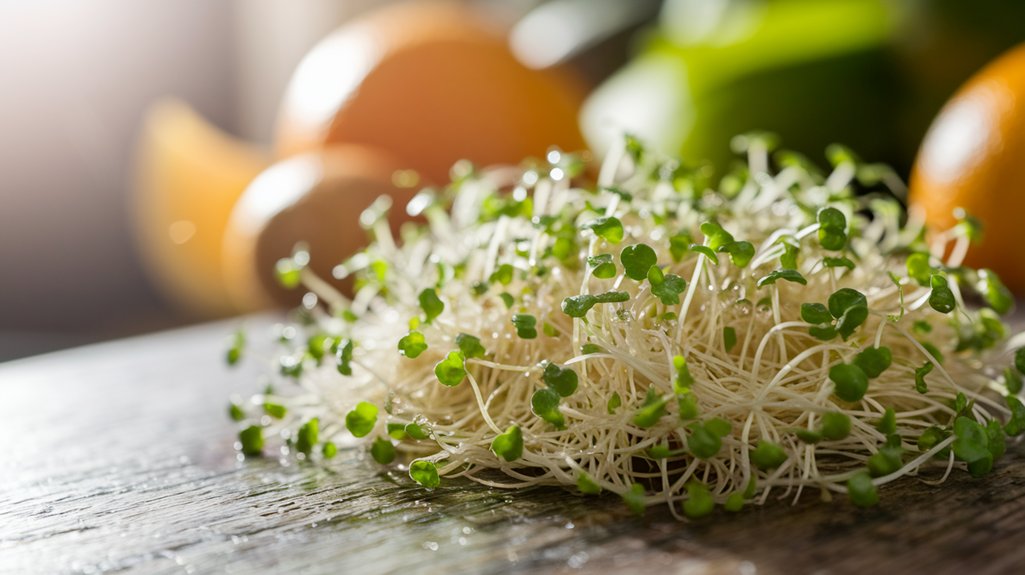
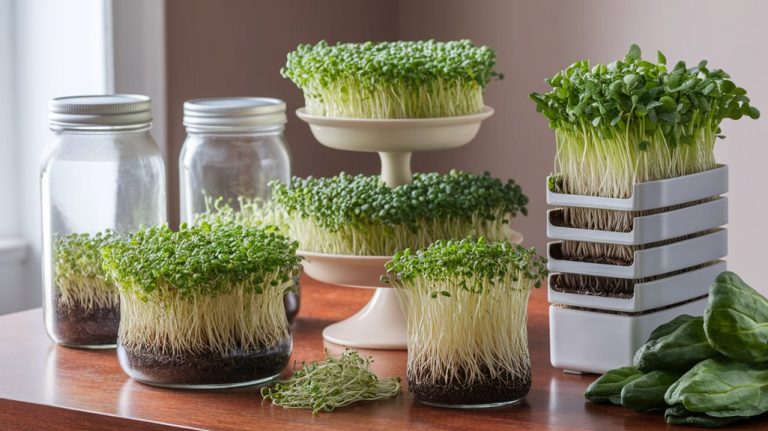
When I think about nutrient-dense foods, sprouts often come to mind as an underappreciated powerhouse. These tiny greens pack a punch with their impressive nutritional profile. Sprouts, such as alfalfa, broccoli, and lentil, are rich in essential vitamins, minerals, and antioxidants. They’re low in calories but high in fiber, making them an excellent choice for anyone looking to boost their health without adding extra calories.
What’s fascinating is that sprouts can contain up to 20 times more nutrients than their mature counterparts. They’re also a great source of phytochemicals, which can help combat oxidative stress.
Incorporating sprouts into my meals is easy; I toss them into salads, sandwiches, or smoothies for a nutritious boost that enhances both flavor and health benefits.
The Role of Vitamins in Immune Function
Vitamins play a crucial role in supporting our immune system, helping our bodies fend off infections.
I’ve found that deficiencies in essential vitamins can significantly weaken immunity, making it vital to know which nutrients we need.
In the following discussion, I’ll highlight key vitamins, their food sources, and how they contribute to our overall health.
Essential Vitamins Overview
Although we often hear about the importance of vitamins, their specific roles in supporting immune function are sometimes overlooked.
In my experience, vitamins A, C, D, and E play pivotal roles in maintaining a robust immune system. Vitamin A helps regulate immune responses, while vitamin C acts as a powerful antioxidant, protecting cells from damage.
Vitamin D is crucial for activating immune cells, ensuring they respond effectively to pathogens. Lastly, vitamin E supports immune function by enhancing the activity of immune cells.
Vitamin Deficiencies and Immunity
While it’s easy to overlook the impact of vitamin deficiencies on our immune system, I’ve seen firsthand how crucial these nutrients are to maintaining a strong defense against illness.
Vitamins like A, C, D, and E play key roles in immune function. For instance, vitamin C enhances the production of white blood cells, which are essential for fighting infections. Vitamin D, on the other hand, helps regulate immune responses and can reduce the risk of respiratory infections.
A deficiency in these vitamins can lead to a weakened immune system, making us more susceptible to illnesses. That’s why I’ve learned to prioritize getting enough vitamins in my diet, ensuring my body has the support it needs to fend off pathogens effectively.
Food Sources for Vitamins
In my journey to boost my immune system, I’ve discovered that knowing where to find essential vitamins is just as important as understanding their benefits.
For instance, vitamin C, crucial for immune function, can be found in citrus fruits, bell peppers, and broccoli.
I’ve also learned that vitamin D, which helps regulate immune responses, is abundant in fatty fish like salmon and fortified dairy products.
Additionally, leafy greens like spinach are excellent sources of vitamin K, supporting various immune functions.
B vitamins, vital for energy and overall immunity, can be sourced from whole grains, eggs, and legumes.
Enzymes and Their Impact on Health
Enzymes play a crucial role in our overall health, acting as catalysts that facilitate biochemical reactions in our bodies. They help break down food, allowing us to absorb essential nutrients more effectively.
I’ve learned that different enzymes target specific processes; for instance, digestive enzymes aid in breaking down carbohydrates, proteins, and fats, ensuring we get the most from our meals.
Beyond digestion, enzymes also support metabolic functions, enhance immune responses, and promote cellular repair. When our enzyme levels are balanced, we tend to feel more energized and healthier.
Incorporating enzyme-rich foods, like sprouts, can help maintain this balance. So, by paying attention to our enzyme intake, we can significantly impact our overall well-being.
Key Sprout Varieties and Their Benefits
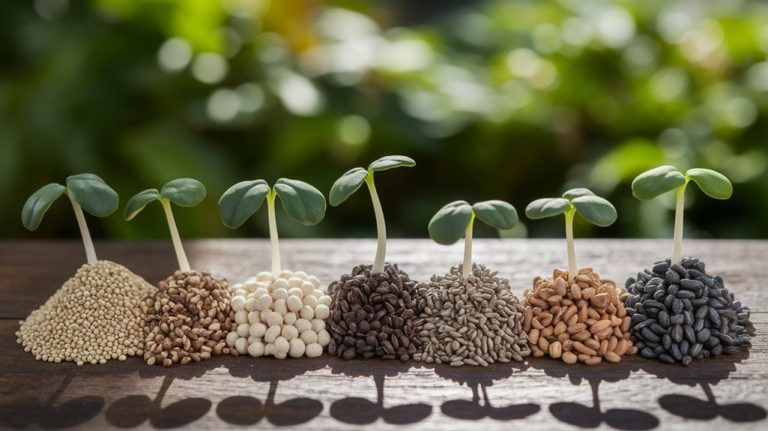
When it comes to boosting our immune system, not all sprouts are created equal, and I’ve found that certain varieties stand out for their unique benefits.
For instance, broccoli sprouts are rich in sulforaphane, which supports the body’s detoxification processes.
Then there are alfalfa sprouts, packed with vitamins A, C, and K, promoting overall health while enhancing immune response.
I also love mung bean sprouts for their high protein content and ability to aid digestion.
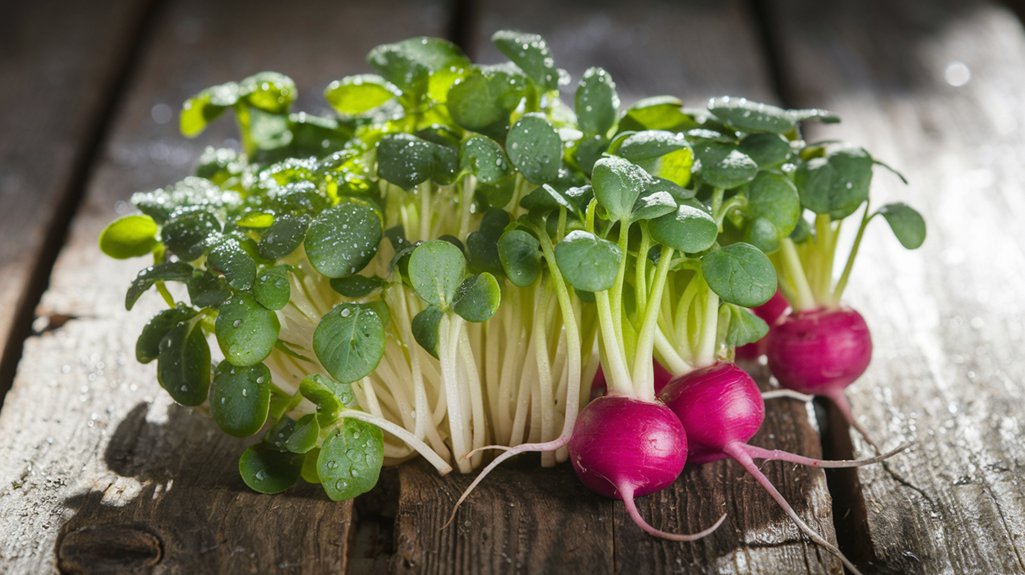
Radish sprouts add a spicy kick and contain antioxidants that help combat inflammation.
Finally, sunflower sprouts offer healthy fats and a range of minerals, making them a nutritious addition to salads or sandwiches.
Incorporating these varieties can significantly enhance our immune resilience.
Antioxidants: The Body’s Defense Mechanism
Antioxidants play a crucial role in protecting our bodies from damage caused by free radicals.
I want to share how different types of antioxidants can boost our health and identify the best sources for them, including some surprising ones found in sprouts.
Understanding these elements can empower us to make better choices for our immune system.
Types of Antioxidants
Although many people might think of vitamins and minerals as the primary defenders of our health, a diverse array of antioxidants plays a crucial role in protecting our bodies from oxidative stress.
Antioxidants come in different forms, each with unique benefits. Here’s a brief overview of some key types:
- Vitamin C: A water-soluble antioxidant that helps regenerate other antioxidants and supports immune function.
- Vitamin E: A fat-soluble antioxidant that protects cell membranes from damage.
- Flavonoids: Plant-based compounds that reduce inflammation and enhance heart health.
- Selenium: A mineral that contributes to antioxidant enzyme production, bolstering the body’s defense.
Incorporating these antioxidants through diet can enhance your overall health and fortify your immune system.
Health Benefits Explained
Understanding the health benefits of antioxidants is crucial for anyone looking to enhance their immune system. Antioxidants combat oxidative stress, which can lead to chronic diseases and weaken our defenses.
I’ve found that they help neutralize free radicals, unstable molecules that cause cellular damage. By incorporating antioxidant-rich foods into my diet, I’ve noticed improved overall health and vitality.
Research shows that antioxidants can reduce inflammation and promote better recovery after illness or stress. They also play a role in heart health by lowering bad cholesterol levels.
By prioritizing antioxidants, I empower my body’s natural defense mechanisms, making it more resilient against various health threats.
Sources of Antioxidants
When I explore sources of antioxidants, I often find that a diverse diet is key to maximizing their benefits. Antioxidants help neutralize free radicals, protecting our cells from damage.
Here are some potent sources I love to include in my meals:
- Berries: Blueberries and strawberries are rich in vitamin C and flavonoids.
- Nuts: Walnuts and almonds provide healthy fats and vitamin E.
- Dark Chocolate: Contains flavonoids that promote heart health.
- Green Tea: Packed with catechins, which have anti-inflammatory properties.
Incorporating these foods into my daily routine not only boosts my antioxidant intake but also enhances my overall health.
Sprouts and Digestive Health
As I explore the benefits of sprouts, I can’t help but notice their significant impact on digestive health.
These tiny powerhouses are packed with fiber, which is essential for maintaining a healthy gut. Fiber promotes regular bowel movements and prevents constipation, making sprouts a great addition to my diet.
Additionally, sprouts contain enzymes that aid digestion by breaking down nutrients, making them easier for my body to absorb. The live probiotics found in fermented sprouts also support a balanced gut microbiome, which is crucial for overall digestive health.
I’ve found that incorporating a variety of sprouts into my meals not only enhances flavor but also boosts my digestive wellness. If you haven’t tried them yet, I highly recommend giving sprouts a chance!
Enhancing Nutrient Absorption With Sprouts
While many of us focus on the vitamins and minerals in our meals, we often overlook how our bodies absorb these nutrients. That’s where sprouts shine! They can significantly enhance nutrient absorption, making our meals even more beneficial.
Here’s how they help:
- Rich in Enzymes: Sprouts contain enzymes that break down food, aiding digestion.
- Increased Bioavailability: They help unlock nutrients, making them easier for our bodies to utilize.
- High in Fiber: Their fiber content supports gut health, which is crucial for nutrient absorption.
- Probiotic Properties: Some sprouts promote healthy gut bacteria, enhancing overall digestive efficiency.
Incorporating sprouts into our diet can be a game-changer for nutrient uptake, ensuring we’re getting the most from our meals.
Incorporating Sprouts Into Your Diet
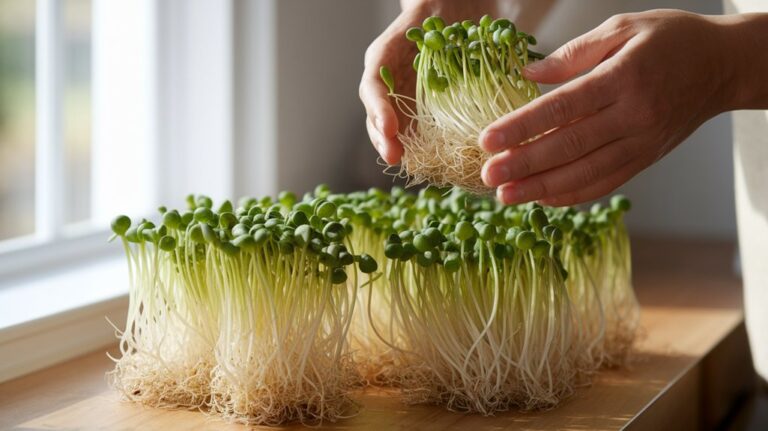
Incorporating sprouts into my diet has become one of the simplest yet most effective ways to enhance my nutrition. I love adding them to salads, sandwiches, and wraps for a crunchy texture and a nutrient boost. They’re incredibly versatile; I often toss them into smoothies for an extra punch of vitamins or sprinkle them over stir-fries.
I’ve found that mixing different types of sprouts, like alfalfa and broccoli, can create exciting flavor combinations. Plus, they require minimal preparation—just rinse and enjoy! To maximize their benefits, I try to consume them raw or lightly cooked.
This habit not only diversifies my meals but also increases my intake of essential nutrients, making sprouts a staple in my kitchen.
The Science Behind Sprouts and Immunity
Sprouts aren’t just tasty additions to my meals; they also pack a powerful punch when it comes to boosting immunity. The science behind this lies in their rich nutrient profile, which includes:
- Vitamins C and E: Essential antioxidants that help protect our cells.
- Beta-carotene: A precursor to vitamin A, crucial for maintaining healthy mucous membranes.
- Zinc: Supports immune function and helps in the production of immune cells.
- Enzymes: Aid in digestion and enhance nutrient absorption.
Research shows that these nutrients work synergistically to strengthen our immune response.
Including sprouts in my diet not only enhances flavor but also provides a natural way to support my body’s defenses, making them a smart choice for anyone looking to improve their health.
Choosing the Right Sprouts for Maximum Benefits
How can I ensure I’m getting the most out of the sprouts I choose? First, I look for sprouts rich in vitamins and minerals, like broccoli and alfalfa. Broccoli sprouts, for instance, contain sulforaphane, which has powerful antioxidant properties.
Next, I consider the freshness; the more vibrant the color, the better the nutrients. I also check for organic options to avoid harmful pesticides. Incorporating a variety of sprouts—like lentil or chickpea—helps me benefit from different enzymes and amino acids.
Lastly, I focus on how I prepare them. Adding sprouts to salads or smoothies keeps their nutrients intact. By choosing wisely and preparing thoughtfully, I maximize the immune-boosting benefits of these tiny powerhouses.
Frequently Asked Questions
Can Sprouts Cause Allergic Reactions in Some Individuals?
Yes, sprouts can cause allergic reactions in some individuals.
I’ve read that certain people may be sensitive to proteins found in sprouts, leading to symptoms like itching, swelling, or digestive issues.
If you’re trying sprouts for the first time, it’s wise to start with a small amount.
Always consult with a healthcare provider if you have concerns about allergies, especially if you have a history of food sensitivities or allergies.
Stay safe!
How Should Sprouts Be Stored for Freshness?
When it comes to storing sprouts, I’ve found that keeping them in the refrigerator is key for maintaining freshness.
I usually place them in a breathable container, like a mesh bag or a paper towel-lined container, to prevent excess moisture buildup.
It’s important to check them regularly for any signs of spoilage.
Properly stored, sprouts can last up to a week, allowing me to enjoy their benefits without worrying about freshness.
Are There Any Risks Associated With Eating Raw Sprouts?
Yes, there are risks with eating raw sprouts. I’ve learned that they can harbor harmful bacteria like E. coli and Salmonella, especially if not grown or handled properly.
To reduce the risk, I always wash them thoroughly and consider cooking them, especially for vulnerable groups like pregnant women or the elderly.
It’s essential to buy sprouts from reputable sources and check for freshness to minimize any health concerns.
Stay safe while enjoying these nutritious additions!
Can Sprouts Be Grown at Home Easily?
Absolutely, I find growing sprouts at home to be surprisingly easy!
All you need are some seeds, water, and a jar or sprouting tray. I rinse the seeds, soak them overnight, then drain and rinse them twice daily.
In just a few days, I’ve got fresh, crunchy sprouts ready to enjoy. It’s a fun, rewarding process, and I love adding them to salads or sandwiches for extra nutrition!
What Are the Best Ways to Cook Sprouts for Optimal Nutrition?
When it comes to cooking sprouts for optimal nutrition, I’ve found that steaming is one of the best methods. It preserves most vitamins and enzymes while making them tender.
I also love adding them to stir-fries, tossing them in at the end to keep them crisp.
If I want a quick option, I’ll sauté them lightly with some garlic and olive oil. This way, I maximize their nutrients and enjoy their delicious flavor!
Conclusion
Incorporating sprouts into your diet can significantly enhance your immune health. Packed with essential vitamins, enzymes, and antioxidants, these nutrient-dense powerhouses not only boost your body’s defenses but also improve nutrient absorption. By choosing a variety of sprouts and adding them to your meals, you’re making a simple yet impactful change for better health. So, why not start today? Your immune system will thank you for it!