Microgreens and Sprouts for Kids: Fun Recipes to Encourage Healthy Eating
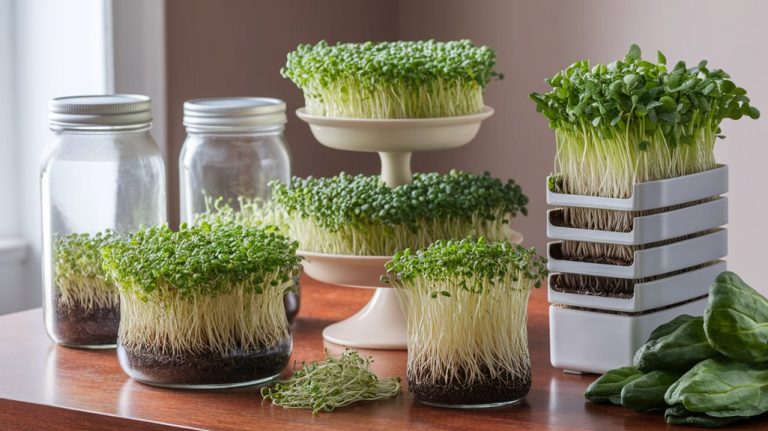
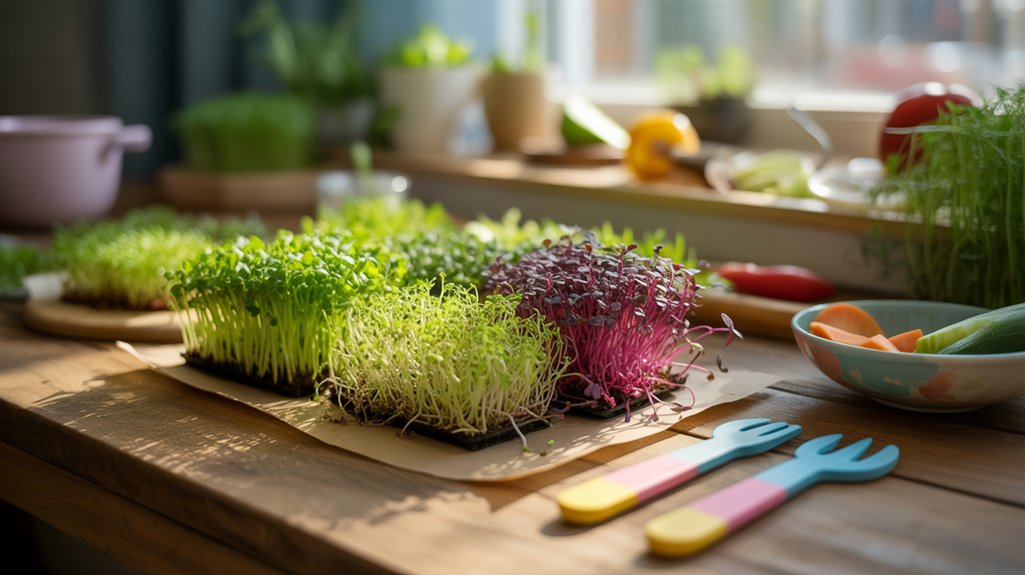
Microgreens and sprouts are an exciting way to encourage kids to eat healthier while introducing them to gardening. These nutrient-rich young plants are not only packed with vitamins, but they also add vibrant colors and flavors to meals. I love incorporating them into smoothies, colorful salads, and creative wraps. Plus, growing microgreens at home can be a fun science experiment for kids, teaching responsibility and patience. Stick around to discover delicious recipes that will make healthy eating fun!
Key Takeaways
- Encourage kids to create colorful salads by adding vibrant microgreens like radish and sunflower for a fun and nutritious twist.
- Make creative wraps using whole grain tortillas filled with hummus, turkey slices, and crunchy sprouts for a delicious, healthy meal.
- Involve kids in growing their own microgreens at home, fostering responsibility while introducing them to exciting flavors and textures.
- Experiment with dips by mixing microgreens into hummus or cream cheese, making nutritious snacks more appealing to children.
- Use microgreens as toppings on pizzas or sandwiches to enhance flavors, making healthy eating enjoyable and engaging for kids.
What Are Microgreens and Sprouts?
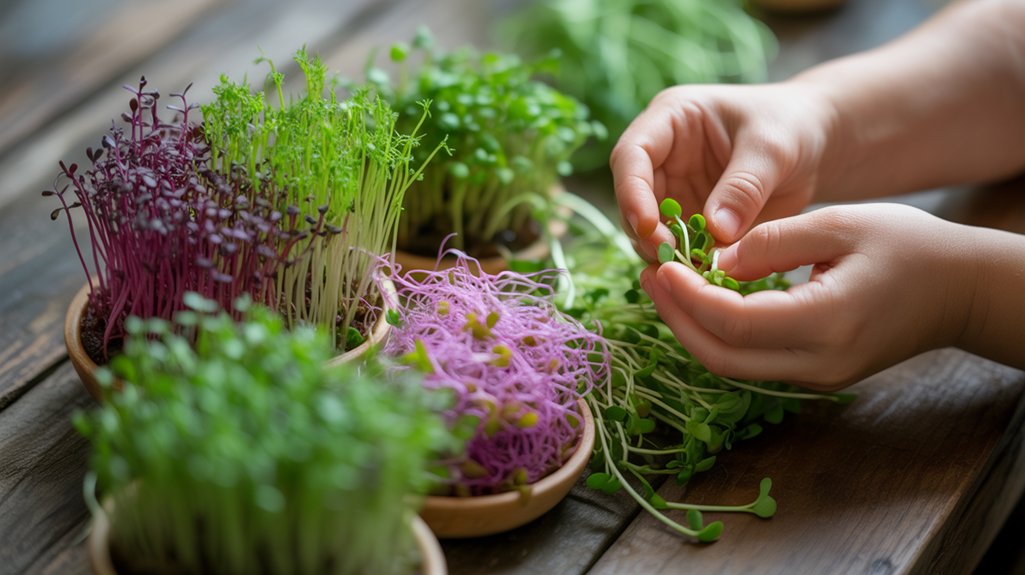
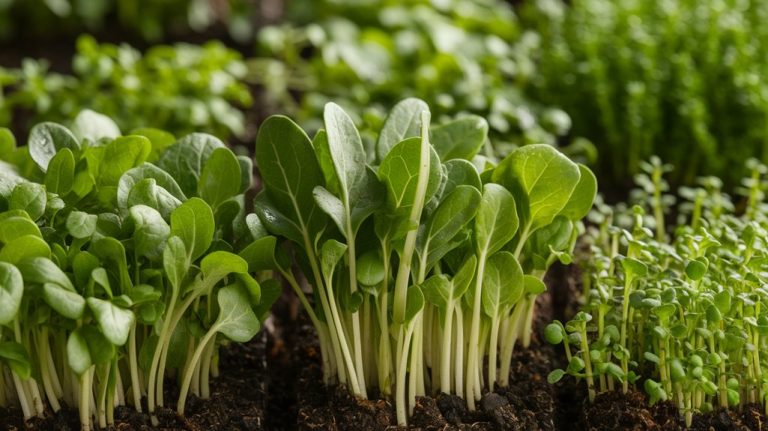
Microgreens and sprouts are tiny powerhouses of nutrition that can easily brighten up meals for kids. Microgreens are young plants harvested just after the first leaves appear, while sprouts are germinated seeds eaten before they develop roots. Both are packed with vitamins, minerals, and antioxidants.
For instance, studies show that microgreens can contain up to 40 times more nutrients than their mature counterparts. They’re not just nutritious; they also add vibrant colors and flavors to dishes, making veggies more appealing to children.
Sprouts, like alfalfa or broccoli, are crunchy and perfect for salads or sandwiches. Incorporating these nutrient-dense foods into your child’s diet can promote healthy eating habits and introduce them to exciting new tastes.
Fun Facts About Microgreens for Kids
Did you know microgreens are like tiny superheroes packed with nutrients?
They’re not just easy to grow at home; they can also add a burst of flavor to your meals.
Let’s explore some fun facts that make these little greens a big hit with kids!
Nutritional Powerhouses for Kids
While exploring new foods can be an adventure for kids, incorporating microgreens into their diet offers a fun way to boost their nutrition. Did you know that these tiny greens pack a powerful punch? Microgreens can contain up to 40 times more nutrients than their mature counterparts!
For example, broccoli microgreens are rich in sulforaphane, a compound known for its cancer-fighting properties. Plus, they’re loaded with vitamins A, C, and K, essential for growing bodies. Their vibrant colors and flavors can make salads and sandwiches exciting.
Easy Growing at Home
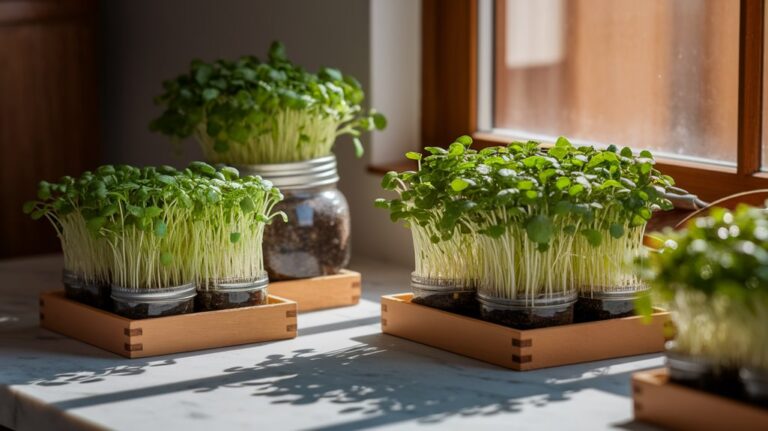
Growing microgreens at home can be a fun and rewarding experience for kids and parents alike! Did you know that microgreens are packed with nutrients and can grow in just a week or two?
All you need is a shallow container, some potting soil, and seeds like radish, broccoli, or sunflower. It’s really that simple! Kids love watching the seeds sprout and grow, which makes it an exciting science experiment right in your kitchen.
Plus, they can taste their efforts by adding them to meals later on. Growing microgreens also teaches responsibility and patience, as they care for their little plants every day.
Tasty Additions to Meals
Microgreens are not just fun to grow; they also make tasty additions to meals that kids will love! These tiny greens pack a punch of flavor and nutrients, making any dish more exciting. Plus, they’re versatile; you can sprinkle them on salads, sandwiches, or even pasta!
Here’s a quick look at some popular microgreens and how kids can enjoy them:
| Microgreen | Flavor Profile | Fun Way to Use |
|---|---|---|
| Radish | Spicy and zesty | Top on tacos |
| Pea shoots | Sweet and fresh | Mix in smoothies |
| Sunflower | Nutty | Add to trail mix |
| Basil | Aromatic and sweet | Garnish pizza |
Encouraging kids to experiment with microgreens can make healthy eating fun and delicious!
Easy Microgreen Smoothie Recipe
If you’re looking for a quick and nutritious way to introduce microgreens into your child’s diet, this easy smoothie recipe is a fantastic option.
Start with a cup of fresh spinach microgreens; they’re packed with vitamins A, C, and K. Add a ripe banana for natural sweetness, a cup of yogurt for creaminess, and a splash of almond milk to blend it all smoothly.
You can even toss in a handful of frozen berries for extra flavor and antioxidants. Blend until creamy, and watch your kids enjoy a vibrant green smoothie that’s not only delicious but also nutrient-rich.
It’s a fun way to sneak in those greens while teaching them that healthy eating can be tasty!
Colorful Microgreen Salad Ideas
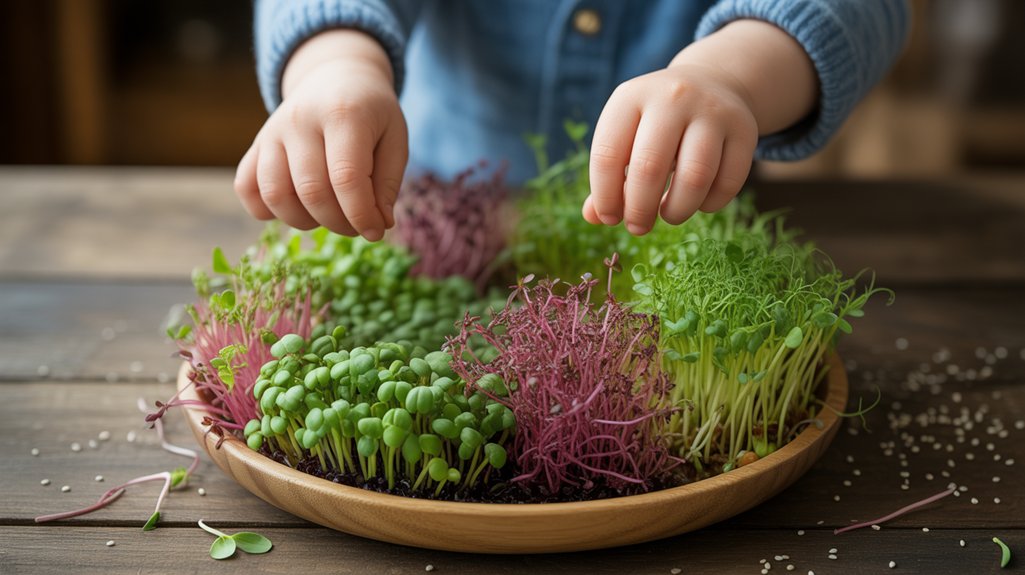
Have you ever wondered how to turn a simple salad into a vibrant, nutrient-packed meal? I love adding microgreens to my salads for both flavor and nutrition. Here are some ideas to inspire you:
| Microgreens | Color | Nutritional Benefit |
|---|---|---|
| Arugula | Peppery green | High in vitamins A, C, K |
| Radish | Pink | Rich in antioxidants and fiber |
| Sunflower | Bright yellow | Packed with healthy fats and protein |
Mix these microgreens with your favorite veggies and a zesty dressing. The colorful combinations not only look appealing but also encourage kids to eat healthier. Trust me, once they see the vibrant colors, they’ll be excited to dig in!
Creative Wraps With Sprouts
I love creating wraps with sprouts because they add a crunchy texture and a nutritional boost.
You can experiment with different wraps like whole grain tortillas or lettuce leaves and fill them with fun combinations like hummus, cheese, and colorful veggies.
Plus, I’ll share some easy tips for assembling your wraps to make the process enjoyable for kids!
Wrap Variations to Try
While exploring new ways to incorporate sprouts into meals, you’ll find that creative wraps make for a delightful and nutritious option.
I love experimenting with different types of wraps, from whole grain tortillas to lettuce leaves. Each wrap not only adds a unique texture but also serves as a canvas for healthy ingredients.
You can try using hummus or avocado as a base spread, which enhances flavor and provides healthy fats. Adding sprouts like alfalfa or broccoli gives an extra crunch and boosts nutrients.
I’ve found that wraps are portable, making them perfect for lunches or snacks. They’re customizable, so kids can get involved in choosing their favorite ingredients, making healthy eating a fun experience!
Fun Filling Combinations
Creating fun filling combinations for wraps with sprouts can take lunchtime to the next level. I love mixing textures and flavors to keep things exciting.
For a zesty twist, I pair crunchy alfalfa sprouts with hummus, shredded carrots, and cucumber slices, all wrapped in a whole grain tortilla.
If you’re looking for something heartier, try black bean mash with sunflower sprouts and diced avocado for a creamy, protein-packed option.
I also enjoy mixing pea shoots with turkey slices and a hint of mustard for a satisfying wrap.
The best part? Sprouts add vital nutrients, making these combinations not just delicious but healthy too.
Let your kids help choose their favorites; it makes lunchtime fun and engaging!
DIY Wrap Assembly Tips
When it comes to assembling wraps with sprouts, the process can be as fun and creative as the combinations themselves. I love mixing textures and flavors to make wraps that excite my kids. Start by laying out your ingredients, and encourage your little ones to experiment with their favorites. Here’s a simple guide to help you get started:
| Ingredient | Recommended Sprouts | Flavor Pairing |
|---|---|---|
| Tortilla | Alfalfa | Hummus and cucumbers |
| Lettuce Leaf | Radish | Cream cheese and turkey |
| Nori Sheet | Broccoli | Avocado and sesame seeds |
Microgreen and Sprout Sandwiches
How can we make sandwiches more exciting and nutritious for our kids? One simple way is by adding microgreens and sprouts!
These little powerhouses are packed with vitamins and minerals, making them a fantastic addition to any sandwich. For instance, I love layering my kid’s favorite whole-grain bread with creamy avocado, sliced turkey, and a generous handful of pea shoots. The crunch adds texture, while the nutrients boost their health.
You can also experiment with arugula or radish sprouts for a peppery kick! By involving our kids in choosing toppings, I’ve noticed they’re more likely to devour their creations.
Not only do these sandwiches taste great, but they also encourage healthy eating habits that can last a lifetime.
Gardening Together: Growing Your Own Microgreens
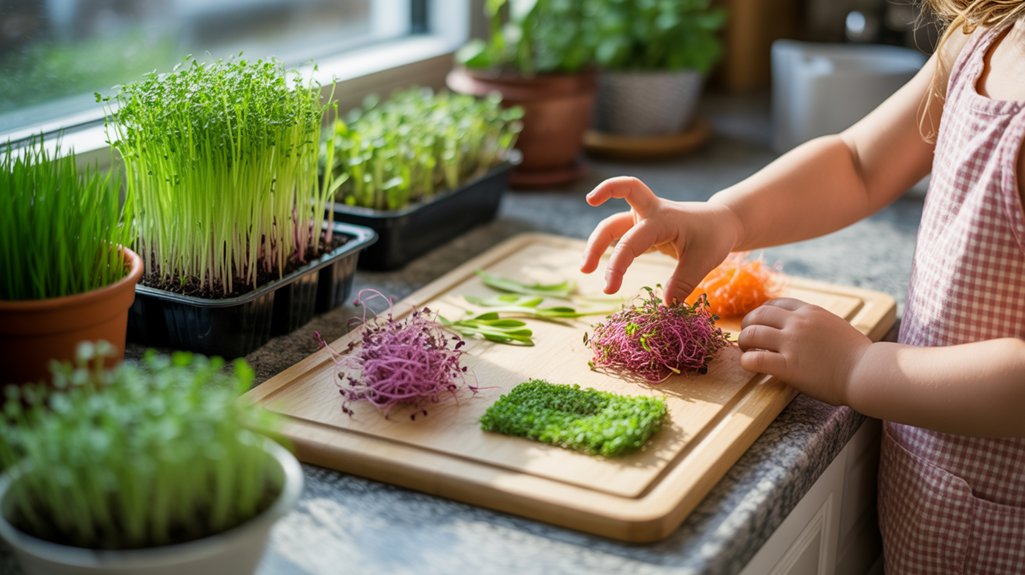
Growing your own microgreens can be a fun and rewarding experience for both you and your kids. It’s a simple way to teach them about gardening, nutrition, and responsibility. Together, we can watch seeds sprout and grow, giving them a sense of accomplishment. Plus, they’ll love the fresh flavors in their meals!
| Microgreen Type | Growth Time |
|---|---|
| Radish | 5-10 days |
| Pea Shoots | 7-14 days |
| Sunflower | 7-14 days |
| Broccoli | 5-10 days |
| Basil | 7-14 days |
With just a few materials, like seeds and soil, you can ignite their curiosity and create lasting memories. Let’s dig in and grow together!
Tasty Dips and Spreads Featuring Microgreens
While kids often love to dip and spread, incorporating microgreens into these snacks can elevate their flavor and nutrition.
I’ve found that blending microgreens like arugula or basil into hummus creates a vibrant, nutrient-rich dip. Just toss a handful into your food processor with chickpeas, tahini, and lemon juice for a tasty twist.
Another favorite is cream cheese mixed with chopped microgreens, perfect for spreading on whole-grain crackers or bagels. This not only boosts the vitamins but also adds a pop of color that kids can’t resist.
You can even make a simple avocado dip by smashing ripe avocados and mixing in microgreens.
These dips aren’t only fun to eat but packed with essential nutrients that your kids need!
Frequently Asked Questions
How Can I Involve Kids in Growing Microgreens?
I involve kids in growing microgreens by making it a fun, hands-on experience.
First, I let them choose their favorite seeds, then we plant them together in small trays.
I show them how to water and care for them daily, turning it into a little routine.
We watch the sprouts grow, and I encourage them to taste their efforts.
It sparks their curiosity about food and teaches them the joy of growing their own snacks!
What Equipment Do I Need to Grow Sprouts at Home?
To grow sprouts at home, I need just a few simple items. First, I grab a glass jar with a mesh lid or a sprouting tray.
Then, I get my seeds—like alfalfa or broccoli. I also use clean water for soaking and rinsing the seeds.
A warm, dark spot is essential for germination. Finally, I make sure to keep the sprouts moist and rinse them daily for the best results.
Happy sprouting!
Are There Any Allergens Associated With Microgreens and Sprouts?
Yes, there can be allergens associated with microgreens and sprouts.
Some people may have allergies to specific seeds or plants, such as mustard or radish.
I’ve found it’s essential to introduce new varieties slowly, especially if you or your kids have a history of allergies.
Always consult with a healthcare professional if you’re unsure.
Keeping an eye out for any allergic reactions is a smart way to enjoy these nutritious greens safely!
How Long Do Microgreens and Sprouts Last After Harvest?
Microgreens and sprouts typically last about 5 to 14 days after harvest, depending on how they’re stored.
I’ve found that keeping them in a cool, dark place in a breathable container helps extend their freshness.
Sprouts might spoil faster due to their higher moisture content, so I usually consume them within a week.
Always check for any signs of wilting or spoilage to ensure you’re enjoying them at their best!
Can Kids Eat All Types of Microgreens and Sprouts Safely?
Yes, kids can eat many types of microgreens and sprouts safely, but I always recommend checking for any specific allergies first.
Varieties like broccoli, sunflower, and pea shoots are typically safe and nutritious. However, some sprouts, like alfalfa, can pose a risk of bacteria.
I always wash them thoroughly and buy from reputable sources. Educating kids about which ones are safe encourages adventurous eating and fosters healthy habits from a young age!
Conclusion
Incorporating microgreens and sprouts into your kids’ meals can be a fun and delicious way to promote healthy eating habits. By trying out these easy recipes and growing your own microgreens together, you’ll not only boost their nutrition but also spark their interest in food and gardening. So, get creative in the kitchen, experiment with flavors, and watch as your little ones embrace these vibrant greens. Healthy eating can be fun, and it all starts at home!