Microgreens for Weight Loss: Delicious Recipes That Help You Shed Pounds
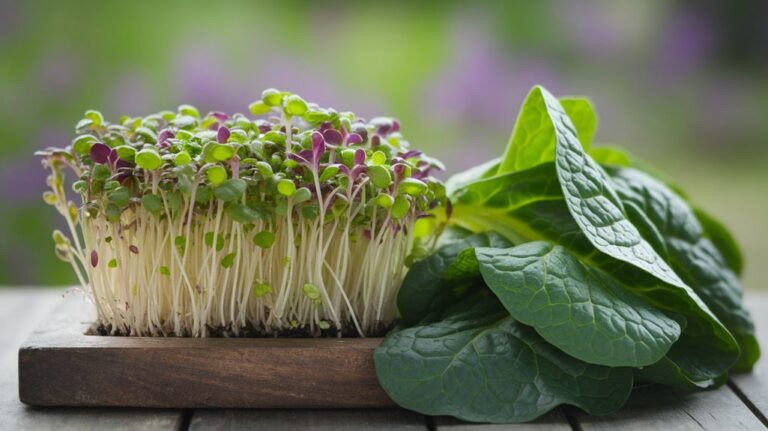
Microgreens are my secret weapon for weight loss. They’re packed with vitamins, minerals, and antioxidants, making them nutrient-dense while being low in calories. I love adding them to salads, smoothies, and soups for that extra flavor boost. Varieties like broccoli, radish, and pea shoots not only support my metabolism but also keep me feeling full longer. Trust me, incorporating these tiny greens into my meals has made a big difference, and there’s so much more to explore ahead!
Key Takeaways
- Microgreens like broccoli and radish are nutrient-dense, offering high vitamins and antioxidants that support weight loss efforts.
- Incorporate microgreens into salads for added crunch and flavor, enhancing meals without significant calories.
- Blend microgreens into smoothies for a nutritional boost that keeps you full longer and curbs cravings.
- Use microgreens as toppings for soups and stews, elevating both flavor and nutrition in low-calorie comfort foods.
- Create quick snacks using microgreens, such as hummus on whole-grain crackers or turkey rolls, satisfying cravings healthily.
What Are Microgreens and Why Are They Beneficial for Weight Loss?
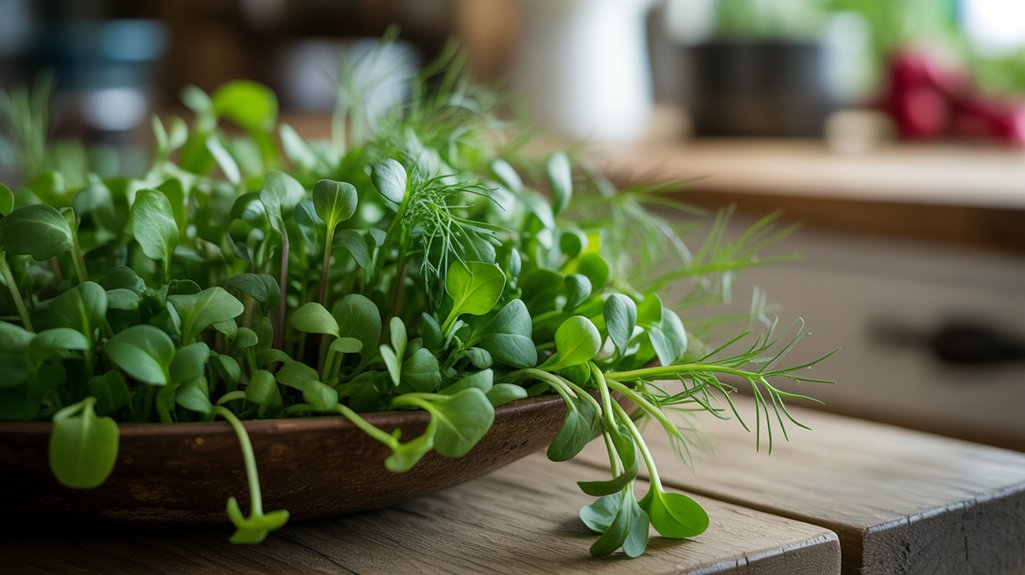
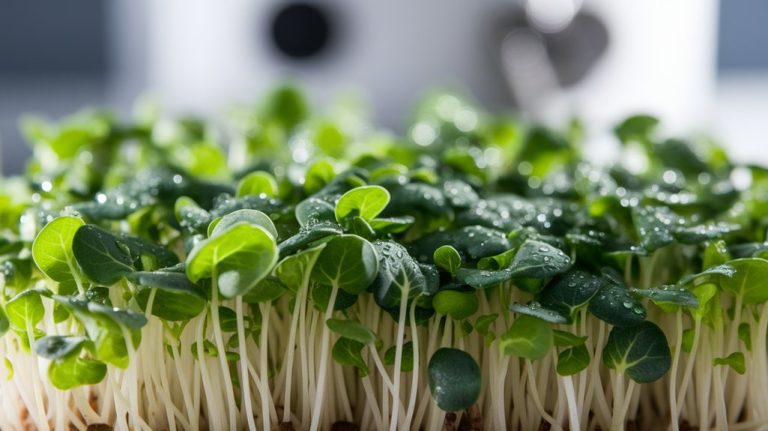
Microgreens are tiny, nutrient-dense plants that pack a powerful punch when it comes to health benefits, especially for weight loss.
These little greens, which include varieties like radish, arugula, and broccoli, are harvested just after the first leaves develop.
What’s fascinating is their high concentration of vitamins, minerals, and antioxidants, which can help support your metabolism and curb cravings.
Incorporating microgreens into my meals has made a noticeable difference in my appetite control. They add flavor and texture without piling on calories.
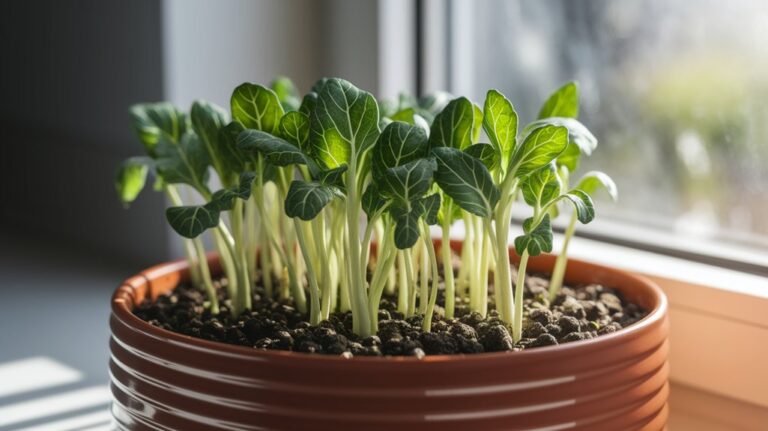
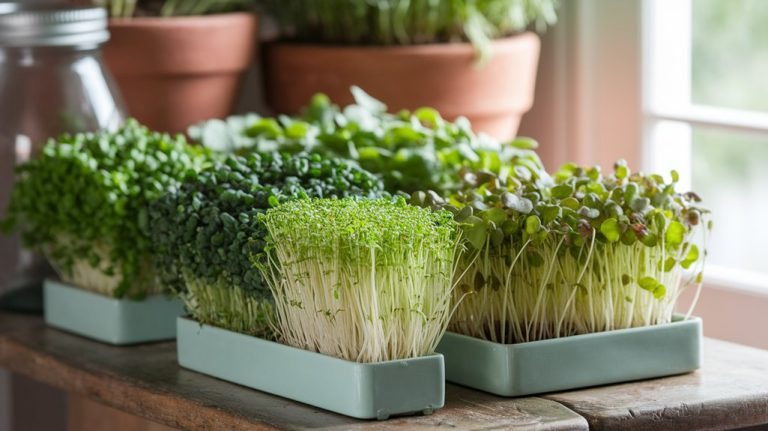
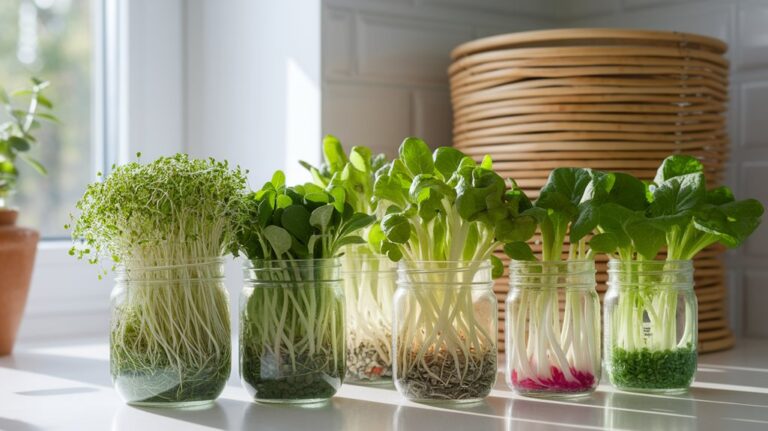
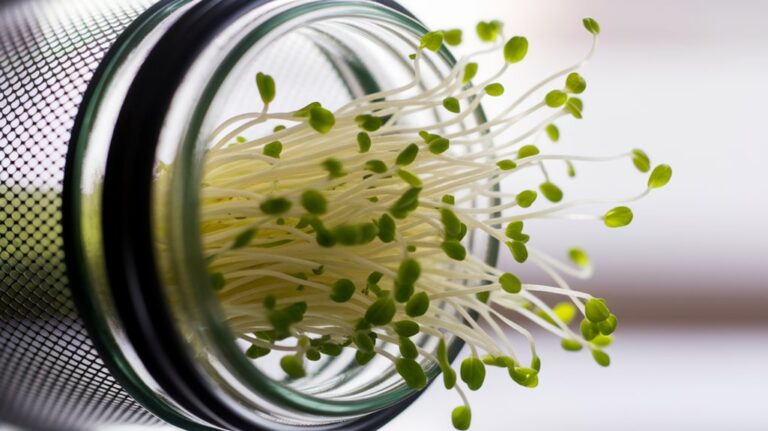
Plus, they’re easy to grow at home, ensuring I always have a fresh supply.
Nutritional Value of Microgreens: A Closer Look
While exploring the world of microgreens, I was struck by their impressive nutritional profile. Packed with vitamins, minerals, and antioxidants, these tiny greens offer a concentrated boost for weight loss. For instance, just a small serving can provide more nutrients than mature vegetables. Here’s a quick breakdown of some common microgreens:
| Microgreen | Nutritional Highlights | Benefits for Weight Loss |
|---|---|---|
| Broccoli | High in Vitamin C & K | Supports metabolism |
| Radish | Rich in fiber & antioxidants | Aids digestion |
| Pea Shoots | Contains Vitamin A & C | Promotes satiety |
| Sunflower | High in healthy fats | Helps curb cravings |
Incorporating microgreens into your meals can enhance nutrition and support your weight loss journey.
How to Incorporate Microgreens Into Your Daily Diet
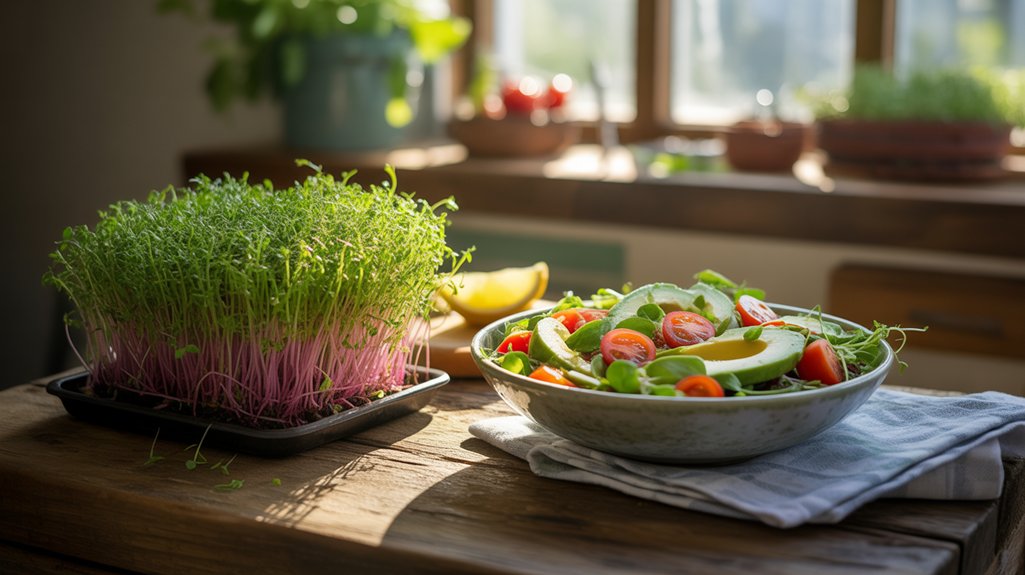
Incorporating microgreens into my daily diet has been a game changer for me.
I love adding a handful to my salads for an extra crunch and a burst of flavor. They also make a fantastic boost to my smoothies, enhancing both the taste and nutritional profile.
Easy Salad Additions
Adding microgreens to your salads can elevate both flavor and nutrition effortlessly. I love tossing a handful of nutrient-dense varieties like arugula, radish, or beet microgreens into my greens. They pack a punch of vitamins A, C, and K, which are essential for overall health and weight management.
Microgreens also add a delightful crunch and peppery taste, making my salads more satisfying. For a quick boost, I often sprinkle sunflower or pea shoot microgreens on top of my favorite vinaigrette. Not only do they enhance the salad’s visual appeal, but they also provide antioxidants that can help reduce inflammation.
Flavorful Smoothie Boosters
When I want to supercharge my smoothies, tossing in a handful of microgreens is my go-to trick.
These tiny powerhouses, like kale or arugula microgreens, pack a nutritional punch, boosting vitamins A, C, and K while adding flavor without extra calories.
I’ve found that they blend seamlessly into my favorite combinations, adding a fresh, earthy note.
Just a small handful can enhance the taste of fruits like bananas or berries, while providing fiber that keeps me feeling full.
Plus, their antioxidants support overall health, making them a smart choice for weight loss.
Top Microgreens for Weight Loss
When it comes to weight loss, choosing the right microgreens can make a significant difference.
I’ve found that nutrient-dense options not only pack a flavorful punch but are also incredibly easy to grow at home.
Let’s explore some of the top microgreens that can support your weight loss journey.
Nutrient-Dense Options
Although many people overlook microgreens as mere garnishes, they pack a powerful nutritional punch that can support weight loss efforts.
These tiny greens are rich in vitamins, minerals, and antioxidants, making them an essential part of a balanced diet. Here are some top nutrient-dense options I love to incorporate:
- Broccoli Microgreens: High in sulforaphane, which may aid in fat loss and improve metabolism.
- Radish Microgreens: Packed with vitamin C, they help boost immunity and promote healthy skin.
- Pea Shoots: Loaded with vitamins A, C, and K, they provide fiber, keeping you full longer.
Adding these microgreens to my meals not only enhances their nutritional value but also supports my weight loss journey effectively.
Flavorful Additions
While exploring ways to enhance my meals and support weight loss, I’ve discovered that certain microgreens not only boost flavor but also bring impressive health benefits. Here are some of my top picks:
| Microgreens | Benefits |
|---|---|
| Arugula | Adds a peppery kick; aids digestion |
| Kale | Rich in antioxidants; supports metabolism |
| Radish | Spicy flavor; helps detoxify |
| Basil | Enhances mood; anti-inflammatory |
| Broccoli | High in vitamins; promotes satiety |
Incorporating these microgreens into my salads, smoothies, and sandwiches has made healthy eating enjoyable. Not only do they elevate flavors, but they also provide essential nutrients that support my weight loss journey, making them a perfect addition to my meals.
Easy to Grow
If you’re looking for a simple and rewarding way to incorporate microgreens into your weight loss plan, growing them at home is an excellent option. Not only do they offer a burst of flavor and nutrition, but they’re also easy to cultivate.
Here are my top picks for microgreens that are particularly straightforward to grow:
- Radish Microgreens: Fast-growing and spicy, they’re ready in just a week.
- Broccoli Microgreens: Packed with antioxidants, they thrive in various conditions.
- Pea Shoots: Sweet and tender, they’re perfect for salads and stir-fries.
With just a little effort, you can enjoy fresh, nutrient-dense microgreens that support your weight loss journey while adding vibrant flavors to your meals.
Delicious Microgreen Salad Recipes
As I’ve discovered, incorporating microgreens into your salads not only boosts flavor but also enhances nutritional value, making them perfect for anyone looking to shed some pounds.
For a refreshing mix, I love combining arugula microgreens with cherry tomatoes, cucumber, and a light vinaigrette. The peppery taste of arugula adds a delightful kick while keeping calories low.
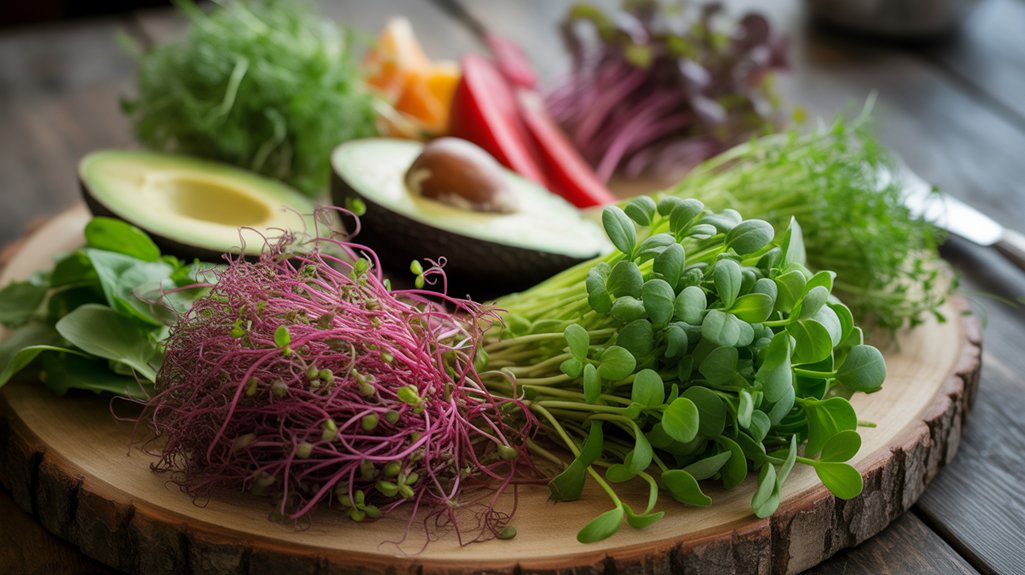
Another favorite is a blend of broccoli and radish microgreens tossed with avocado and lemon juice. This combination is rich in antioxidants and healthy fats, which can help keep you full longer.
Finally, don’t overlook pea shoots—pair them with mixed greens and a handful of nuts for added crunch and protein.
These salads aren’t just tasty; they’re also packed with nutrients!
Flavorful Microgreen Smoothies for a Healthy Boost
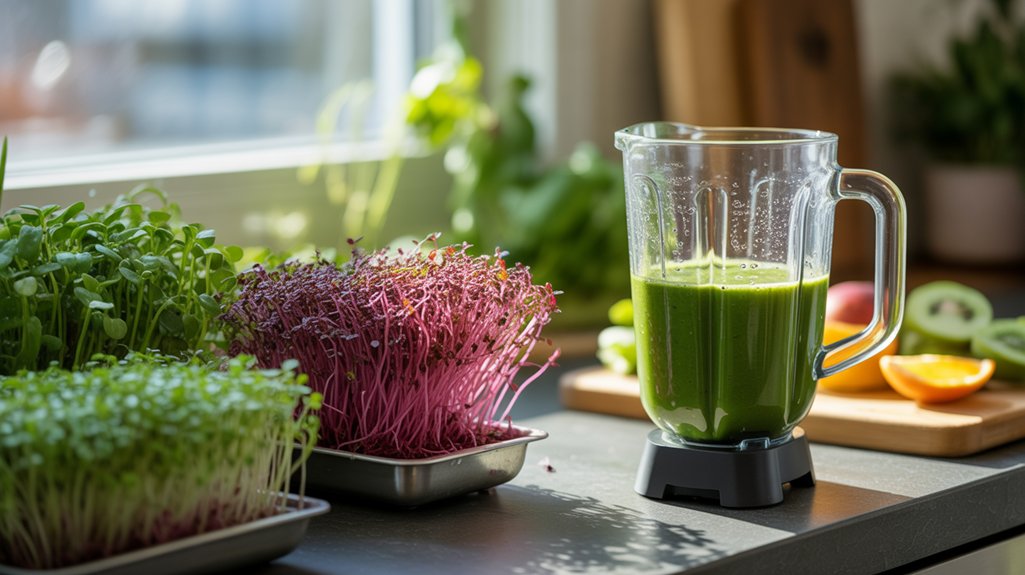
Incorporating microgreens into smoothies not only enhances their flavor but also packs in a powerful nutritional punch.
I’ve found that adding a handful of these tiny greens can elevate my morning routine while supporting my weight loss goals.
Here are some reasons to blend microgreens into your smoothies:
- Rich in Nutrients: Microgreens are loaded with vitamins, minerals, and antioxidants, making them a superfood.
- Low in Calories: They add volume and nutrition without significantly boosting calorie intake.
- Versatile Flavor Profiles: From peppery arugula to sweet basil, there’s a microgreen for every smoothie recipe.
Try blending your favorite fruits with a mix of microgreens for a delicious, energizing drink that helps keep those extra pounds at bay!
Creative Microgreen Garnishes to Enhance Your Meals
I love using microgreens as garnishes because they not only add a burst of flavor but also enhance the visual appeal of my dishes.
Combining different varieties like radish and basil can elevate the taste while packing a nutritional punch.
Let’s explore some creative ways to incorporate these vibrant greens into our meals for both aesthetics and health benefits.
Flavorful Microgreen Combinations
While many of us focus on the main ingredients in our meals, it’s the creative use of microgreens that can elevate a dish to new heights.
I’ve discovered that combining different microgreens not only enhances flavor but also boosts the nutritional profile of my meals.
Here are some flavorful combinations I love:
- Radish and Arugula: Adds a peppery kick to salads and sandwiches.
- Basil and Pea Shoots: Perfect for brightening up pasta dishes or soups.
- Cilantro and Mustard Greens: A bold pairing that complements tacos and grain bowls.
Experimenting with these combinations can transform your meals and support your weight loss journey.
Trust me, your taste buds will thank you!
Visual Appeal and Nutrition
Microgreens not only elevate the flavor of dishes but also add a vibrant visual appeal that makes meals more inviting. I love using these tiny greens as garnishes because they’re visually striking and packed with nutrients. For example, adding just a handful of microgreens can enhance the aesthetic of a salad or soup, making it look gourmet. Here’s a quick reference table to show some popular microgreens and their benefits:
| Microgreen | Visual Appeal | Nutritional Benefits |
|---|---|---|
| Arugula | Bright green leaves | High in vitamins A and C |
| Radish | Crisp, colorful accents | Rich in antioxidants |
| Beet Greens | Deep red and green | Good source of iron and fiber |
Using microgreens isn’t just about looks; they boost nutrition too!
Microgreens in Soups and Stews: Comfort Food With a Twist
When you’re looking to elevate your favorite soups and stews, adding microgreens can make a world of difference.
These tiny greens not only enhance flavor but also boost the nutritional value of your meals. Here’s why I love incorporating them:
- Nutrient-Dense: Microgreens pack a punch of vitamins and minerals, supporting your weight loss goals.
- Flavorful Variety: Different types, like arugula or radish, add unique tastes that transform your dishes.
- Low-Calorie: They’re light and won’t add unnecessary calories, making them perfect for guilt-free comfort food.
Just sprinkle a handful on top of your steaming bowl, and enjoy the added texture and health benefits.
Soups and stews become not just filling but also a smart choice for your diet!
Snack Ideas Featuring Microgreens
After enjoying the comforting warmth of soups and stews, I often seek out creative snack options that keep my weight loss goals in check. One of my favorites is a microgreens salad topped with cherry tomatoes and a light vinaigrette. It’s refreshing and packed with nutrients.
I also love spreading hummus on whole-grain crackers and adding a generous handful of microgreens for that extra crunch and flavor.
Another quick option is a microgreens smoothie; just blend spinach microgreens with a banana and almond milk for a nutrient-rich treat.
Lastly, I enjoy making rolled-up turkey slices with microgreens and a touch of mustard. These snacks not only satisfy my cravings but also help me stay on track with my health journey.
Tips for Growing Your Own Microgreens at Home
Growing your own microgreens at home isn’t only rewarding but also surprisingly simple, especially if you have a little space and some sunlight.
I’ve found that with a few basic supplies, you can have fresh greens at your fingertips in no time. Here are some tips to get you started:
- Choose the Right Seeds: Opt for varieties like radish, arugula, or basil that grow quickly and easily.
- Use Quality Soil: A good seed-starting mix will ensure your microgreens get the nutrients they need.
- Provide Proper Light: Place your trays in a sunny window or under grow lights for optimal growth.
With these steps, you’ll be on your way to enjoying homegrown microgreens that can enhance your weight loss journey!
Frequently Asked Questions
Can Microgreens Be Used in Cooking or Only as Raw Toppings?
Absolutely, I use microgreens in cooking all the time! They’re versatile and can be sautéed, blended into soups, or added to stir-fries.
While they shine as raw toppings, cooking them enhances their flavors and can soften their texture. Just remember not to overcook them; a quick toss in a hot pan works wonders.
I love experimenting with different varieties to elevate my dishes, making them not only healthier but also more delicious!
Are There Any Allergies Associated With Specific Microgreens?
Yes, certain microgreens can cause allergies, though they’re generally safe for most people.
For instance, mustard microgreens might trigger reactions in those sensitive to mustard seeds. Similarly, if you’re allergic to other cruciferous vegetables, you might want to avoid broccoli or radish microgreens.
It’s always wise to introduce new foods gradually and pay attention to any adverse reactions. If you have known food allergies, consult with a healthcare professional before trying new microgreens.
How Long Do Microgreens Typically Last After Harvest?
Microgreens typically last about 5 to 14 days after harvest, depending on the type and storage conditions.
I’ve found that keeping them in a sealed container in the fridge helps maintain their freshness.
It’s crucial to avoid excess moisture, as that can lead to spoilage.
Whenever I buy or harvest them, I try to use them within the week for the best flavor and nutritional benefits.
Enjoy them while they’re fresh!
Can I Freeze Microgreens for Later Use?
Yes, you can freeze microgreens for later use!
I’ve found that blanching them briefly before freezing helps preserve their flavor and nutrients. After blanching, I cool them quickly in ice water, then drain and pack them into airtight containers.
This way, they maintain their quality for several months. Just remember, frozen microgreens may lose some texture, but they’re still great for smoothies, soups, or as a garnish when you need them!
What Are the Best Storage Methods for Fresh Microgreens?
I’ve found that the best storage methods for fresh microgreens involve keeping them in a breathable container.
I usually place them in a damp paper towel inside a sealed bag, ensuring they stay moist but not soggy. Alternatively, I use a container with ventilation holes in the lid.
Storing them in the fridge helps maintain their freshness, and I try to consume them within a week for the best flavor and nutrition.
Conclusion
Incorporating microgreens into your diet can be a game-changer for weight loss. Not only are they packed with nutrients, but their versatility makes them easy to add to meals and snacks. By experimenting with different recipes and growing your own, you can enjoy their benefits while savoring delicious flavors. Remember, every small change counts, so start including microgreens today, and you might just find them to be a delightful ally on your weight loss journey.