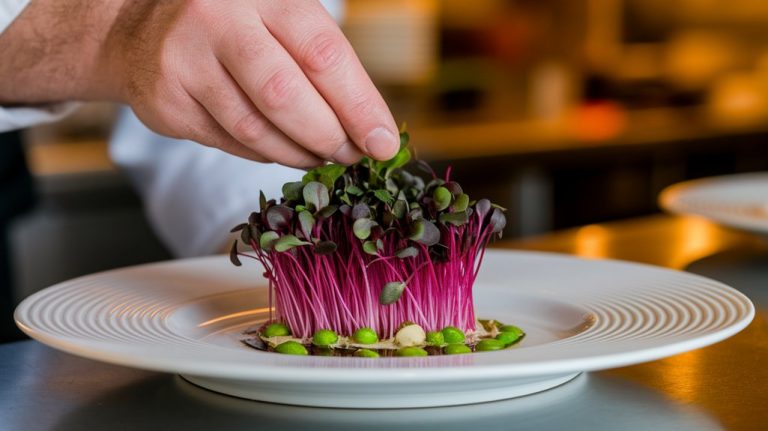
Why Chefs Are Obsessed With Microgreens – and How You Can Use Them Too
I’m obsessed with microgreens for their intense flavors, vibrant colors, and impressive nutritional benefits. Just a sprinkle can elevate a dish, adding sophistication and freshness. They’re versatile too, fitting into salads, soups, and even cocktails. I love how easy they are to grow at home, plus they add loads of nutrients to meals. If you’re curious about the different types of microgreens and how to use them creatively, keep exploring with me!
Key Takeaways
- Microgreens enhance flavor profiles, adding unique tastes like peppery arugula and earthy beet greens to elevate simple dishes.
- They are nutritional powerhouses, containing up to 40 times more vitamins than mature plants, boosting overall health.
- Their vibrant colors and small size create visual appeal, transforming ordinary meals into stunning culinary presentations.
- Microgreens are easy to grow at home, requiring minimal space and effort, making them accessible for anyone to cultivate.
- Chefs use microgreens in various dishes, from salads to cocktails, inviting creativity and experimentation in the kitchen.
The Flavor Explosion of Microgreens
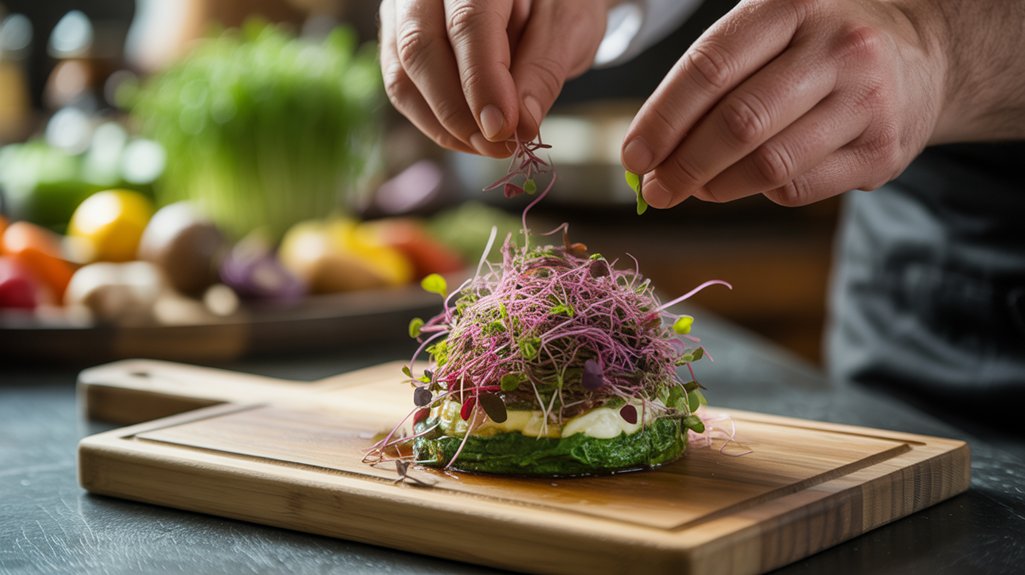
When I first discovered microgreens, I was amazed at how these tiny greens could pack such a powerful punch of flavor. Each little leaf bursts with intensity, transforming even the simplest dish into a culinary masterpiece.
I remember sprinkling peppery arugula microgreens over a creamy risotto; the way they added a bright, zesty note was nothing short of magical. From the sweet crunch of pea shoots to the earthiness of beet greens, each variety offers a unique taste experience.
I love experimenting with them in salads or as a vibrant garnish on soups. They’re not just for chefs; anyone can elevate their home cooking with these flavorful gems.
Trust me, once you try them, you won’t look back!
Nutritional Powerhouses
When I think about microgreens, I can’t help but marvel at their incredible nutritional benefits.
These tiny greens pack a punch, brimming with vitamins that support our health and antioxidants that combat free radicals.
Incorporating them into my meals not only enhances flavor but also boosts my overall well-being.
Rich in Vitamins
Microgreens are like tiny nutritional powerhouses, bursting with flavor and packed with essential vitamins. When I incorporate these vibrant greens into my meals, I’m always amazed at how much nutrition they deliver in such small packages.
Varieties like kale, radish, and broccoli microgreens can contain up to 40 times the vitamins of their mature counterparts! They’re rich in vitamins A, C, E, and K, which support everything from immune function to skin health.
Adding a handful of microgreens to my dishes not only elevates the taste but also boosts their nutritional value. Whether sprinkled on salads, blended into smoothies, or used as a garnish, they’re a simple way to enhance both flavor and health in any meal.
Antioxidant Properties
Packed with antioxidants, these vibrant greens offer a powerful punch against oxidative stress.
I love incorporating microgreens into my meals not just for their flavor but for their impressive health benefits. These tiny powerhouses are loaded with vitamins A, C, and E, all known for their ability to combat free radicals in the body.
When I sprinkle a handful of microgreens on a salad or blend them into a smoothie, I know I’m boosting my nutritional intake significantly.
Varieties like radish and broccoli microgreens, for instance, are particularly rich in sulforaphane, which has been linked to cancer prevention.
Visual Appeal and Presentation
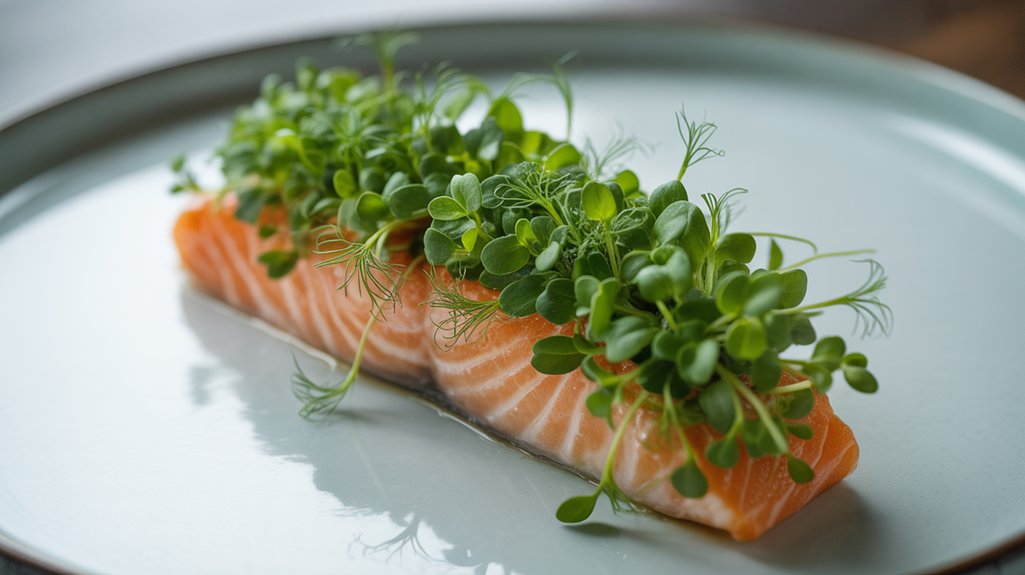
When I plate a dish, I love using microgreens as a burst of color that really brings my creations to life.
Their vibrant hues not only enhance the visual appeal but also add an elegant touch that impresses anyone at the table.
Colorful Garnishes Enhance Dishes
A vibrant plate is like a canvas, and colorful garnishes can truly elevate a dish to a work of art. When I add microgreens or edible flowers, I see how they transform the ordinary into the extraordinary. These pops of color not only entice the eye but also enhance the overall dining experience.
Here’s a glimpse of how different garnishes can influence your dishes:
| Garnish Type | Effect on Dish |
|---|---|
| Microgreens | Freshness and texture |
| Edible Flowers | Whimsy and elegance |
| Citrus Zest | Brightness and zing |
| Spices (like paprika) | Depth and warmth |
Elevate Plating Techniques
Plating techniques can truly transform a meal into a visual feast. I’ve found that the way you arrange a dish can elevate its appeal and enhance the dining experience.
Start by choosing a clean, contrasting plate—white or dark hues can make colors pop. Layering elements adds depth; a base of puree or sauce topped with your main protein, and then garnished with vibrant microgreens creates a stunning effect.
Don’t forget about negative space; leaving some areas of the plate empty allows the eye to focus on the food. Finally, use tweezers for precise placement of delicate microgreens or edible flowers.
This attention to detail not only pleases the eye but also showcases the freshness and quality of your ingredients.
Versatility in Culinary Applications
Although I often experiment with various ingredients, microgreens consistently stand out for their incredible versatility in culinary applications.
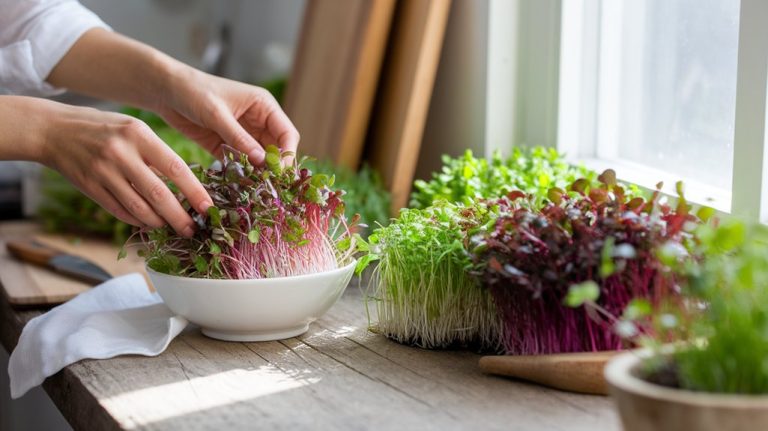
These tiny greens pack a punch of flavor, allowing me to enhance everything from salads to soups. I love tossing them into a fresh salad for a burst of color and crunch, or using them as a vibrant garnish on delicate seafood dishes.
Their ability to complement a wide array of flavors is astonishing; I’ve even blended them into pesto for a unique twist.
Whether I’m elevating a simple sandwich or creating a gourmet dish, microgreens always bring that extra layer of sophistication. Their adaptability makes them a staple in my kitchen, and I’m sure you’ll find the same joy in using them.
Easy to Grow at Home
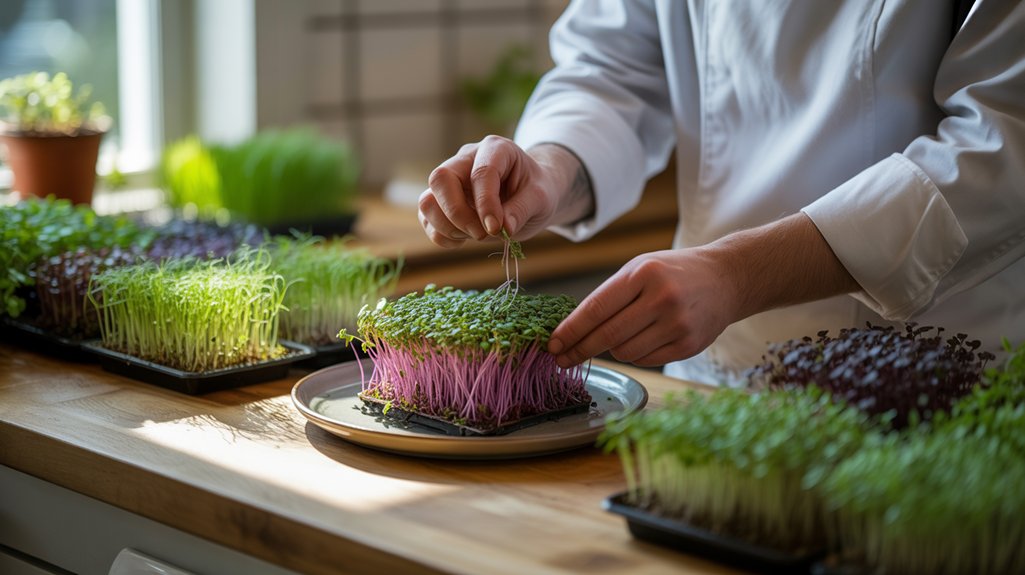
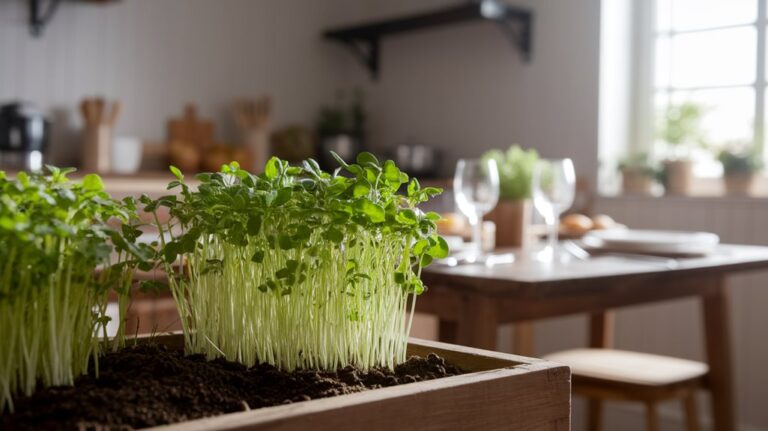
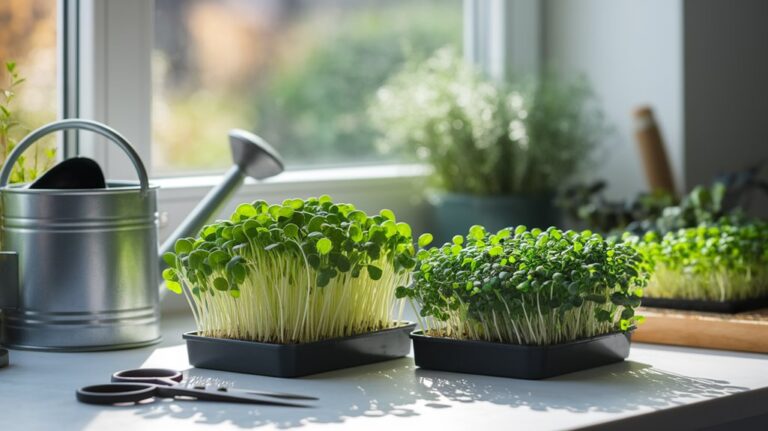
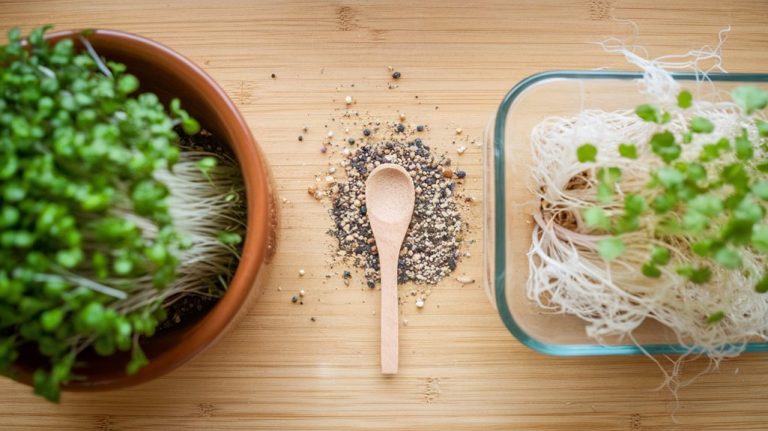
Microgreens aren’t just versatile in the kitchen; they’re also incredibly easy to grow at home, making them a rewarding addition to any culinary enthusiast’s repertoire. I love how I can cultivate these tiny greens with minimal effort and space. Here’s a quick guide to help you get started:
| Microgreen | Days to Harvest | Flavor Profile |
|---|---|---|
| Arugula | 10-14 | Spicy and Peppery |
| Radish | 7-10 | Crisp and Zesty |
| Basil | 14-21 | Sweet and Aromatic |
| Pea Shoots | 14-21 | Fresh and Sweet |
| Sunflower | 7-12 | Nutty and Crunchy |
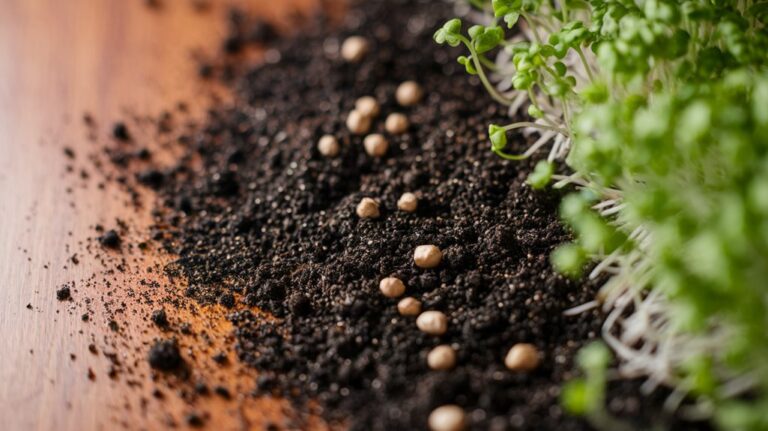
With just seeds, soil, and a little sunlight, you’ll be on your way to creating beautiful, flavorful dishes right from your home!
Sustainable and Eco-Friendly Farming
As I delve deeper into the world of microgreens, I can’t help but appreciate their role in promoting sustainable and eco-friendly farming practices.
These tiny greens require significantly less water and space compared to traditional crops, making them an ideal choice for urban and small-scale farming. Plus, they’re often grown without pesticides, ensuring a healthier planet.
Here are a few reasons why I find microgreens to be a sustainable option:
- Fast Growth Cycle: Microgreens typically mature within 7-21 days, allowing for rapid harvests and maximizing land use.
- Nutrient Density: They pack a punch in nutrients, giving us more bang for our buck in terms of health benefits.
- Minimal Environmental Impact: Their small size means they leave a lighter carbon footprint, supporting eco-friendly initiatives.
Different Types of Microgreens to Explore
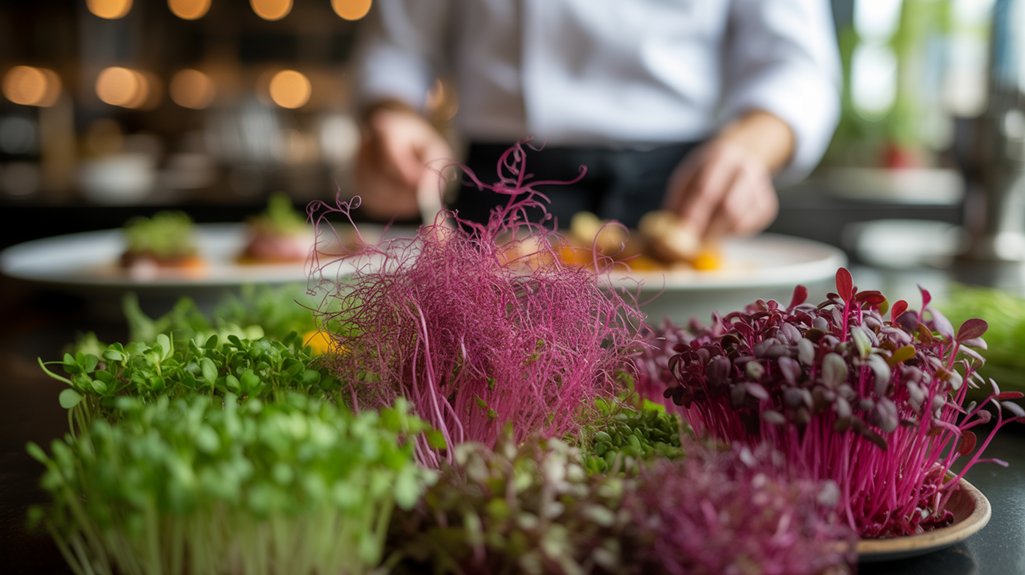
When I think about the world of microgreens, I’m always amazed by the variety available to us.
From the peppery kick of arugula to the sweet notes of basil, each type brings its own unique flavor profile to the table.
Let’s explore some popular microgreens that can elevate your dishes and tantalize your taste buds!
Popular Microgreens Varieties
Though often overlooked, the world of microgreens offers a vibrant palette of flavors and textures that can elevate any dish.
I love experimenting with various varieties that not only enhance the visual appeal of my meals but also add intriguing dimensions to their taste.
Here are a few popular microgreens I frequently reach for:
- Radish Microgreens: They’ve a peppery kick that livens up salads and sandwiches.
- Pea Shoots: Sweet and tender, they bring a fresh crunch to stir-fries and grain bowls.
- Basil Microgreens: With a concentrated basil flavor, they’re perfect for garnishing pasta or pizza.
Incorporating these into my cooking has transformed my dishes into something truly special!
Unique Flavor Profiles
Exploring the unique flavor profiles of microgreens is like embarking on a culinary adventure—each tiny leaf packs a punch of taste that can surprise and delight.
Take arugula microgreens, for instance; they bring a peppery kick that livens up salads and sandwiches.
Then there’s basil microgreens, which offer a sweet, aromatic essence that’s perfect for garnishing pasta or pesto dishes.
Don’t overlook radish microgreens, either—these add a crisp, spicy bite that can elevate any dish.
If you’re feeling adventurous, try sunflower microgreens; their nutty flavor complements everything from soups to smoothies.
With such a variety, incorporating microgreens into your cooking not only enhances flavor but also adds a vibrant visual element to your meals!
Pairing Microgreens With Various Dishes
While I love experimenting with flavors in the kitchen, pairing microgreens with various dishes opens up a world of culinary creativity.
These tiny greens add not only visual appeal but also a burst of flavor that can elevate a meal. I often find that incorporating microgreens can transform a simple dish into something extraordinary.
Here are some of my favorite pairings:
- Pea Shoots: Perfect atop a creamy risotto or blended into a vibrant pesto.
- Radish Greens: Great for adding a peppery kick to tacos or grilled meats.
- Basil Microgreens: Ideal for garnishing fresh Caprese salads or enhancing pasta dishes.
With each dish, microgreens invite endless experimentation and delight for the palate.
Enhancing Cocktails and Beverages
When I want to add a refreshing twist to my cocktails and beverages, microgreens become my secret weapon. Their vibrant colors and unique flavors elevate drinks, making them not just visually stunning but also deliciously complex. I love experimenting with different varieties to discover their unique profiles. Here’s a quick guide to get you started:
| Microgreen | Flavor Profile | Best Pairings |
|---|---|---|
| Basil | Sweet, aromatic | Mojitos, gin cocktails |
| Radish | Peppery, zesty | Vodka sodas, Bloody Marys |
| Pea Shoots | Sweet, grassy | Green smoothies, gin fizz |
| Cilantro | Fresh, citrusy | Margaritas, tequila drinks |
Incorporating microgreens into my drinks not only enhances flavor but also adds a touch of sophistication. Give it a try!
Tips for Storing and Preparing Microgreens
Properly storing and preparing microgreens can make all the difference in preserving their vibrant flavors and nutrients. I’ve found a few key tips that work wonders in keeping them fresh and delicious.
- Store in a breathable container: Use a paper towel-lined container to absorb excess moisture, preventing spoilage.
- Keep them cool: Store microgreens in the refrigerator, ideally in the crisper drawer to maintain optimal humidity.
- Rinse gently: Before using, lightly rinse your microgreens in cold water and pat them dry with a paper towel to avoid bruising.
Frequently Asked Questions
What Are the Best Microgreens for Beginners to Grow?
When I started growing microgreens, I found that radish, pea shoots, and sunflower were the best for beginners.
Radish sprouts are quick to germinate and pack a spicy flavor. Pea shoots are sweet and vibrant, while sunflower microgreens offer a delightful crunch.
They grow easily in small containers, requiring minimal space and care. I love how quickly they sprout, and the fresh taste they add to my meals is simply unbeatable!
How Long Do Microgreens Take to Grow From Seeds?
Microgreens typically take about 7 to 21 days to grow from seeds, depending on the variety.
I’ve found that most sprouts, like radish and mustard, are quicker and can be ready in just a week.
On the other hand, slower ones like kale might take up to two weeks.
It’s exciting to watch them grow, and I love harvesting them once they reach about two inches tall.
Trust me, it’s worth the wait!
Can I Grow Microgreens Indoors Without Sunlight?
Yes, you can definitely grow microgreens indoors without sunlight! I’ve done it using grow lights, which mimic natural sunlight and help my greens thrive.
I usually place the lights a few inches above the plants, keeping them on for about 12-16 hours a day. It’s amazing how quickly they sprout, and I love having fresh greens available anytime.
Just make sure to keep them moist, and you’ll be rewarded with vibrant microgreens!
Are There Any Specific Pests That Affect Microgreens?
Yes, there are specific pests that can affect microgreens.
I’ve encountered aphids and fungus gnats in my indoor garden. Aphids can suck the sap from the plants, stunting their growth, while fungus gnats thrive in moist soil and can damage the roots.
I’ve found keeping my environment clean and monitoring moisture levels helps prevent infestations. If I spot any pests early, I use neem oil or insecticidal soap to manage them effectively.
How Do I Know When Microgreens Are Ready to Harvest?
I usually know my microgreens are ready to harvest when they reach about two to four inches tall, depending on the variety.
Their true leaves, or cotyledons, should be vibrant and well-formed.
I gently taste a few to check for flavor; if they’re peppery or fresh, it’s time!
I also keep an eye on the stem thickness—once they’re sturdy, I know they’re at their peak and ready for my dishes.
Conclusion
Incorporating microgreens into your cooking can transform your dishes in delightful ways. Their vibrant flavors, striking colors, and impressive nutritional benefits make them a must-have in any kitchen. Whether you’re garnishing a gourmet plate or elevating a simple salad, these tiny greens pack a powerful punch. So why not dive into the world of microgreens? With just a little effort, you can grow your own or explore various types, adding a fresh twist to your culinary adventures!