Allergy & Safety Tips: Eating Sprouts and Microgreens Safely
When enjoying sprouts and microgreens, it’s vital to be aware of allergens and safety concerns. I recommend consulting an allergist, especially if you have known sensitivities like legume or soy allergies. Always source from reputable suppliers and store them properly at 34°F to 40°F. Rinse thoroughly before consumption, and watch for spoilage signs like discoloration or off-smells. If you’re immunocompromised, consider cooking your sprouts. For more insights, let’s explore further safety practices together.
Key Takeaways
- Consult with a healthcare professional before consuming sprouts, especially if you have known food allergies or a compromised immune system.
- Thoroughly rinse and pat dry sprouts to remove dirt and potential contaminants before consumption.
- Store sprouts in airtight containers at temperatures between 34°F and 40°F to maintain freshness and minimize bacterial growth.
- Check for spoilage signs, such as dull color, slimy texture, or off odors, and discard any affected sprouts immediately.
- Consider cooking sprouts to eliminate harmful bacteria, particularly for vulnerable populations like pregnant women and the immunocompromised.
Understanding Sprouts and Microgreens
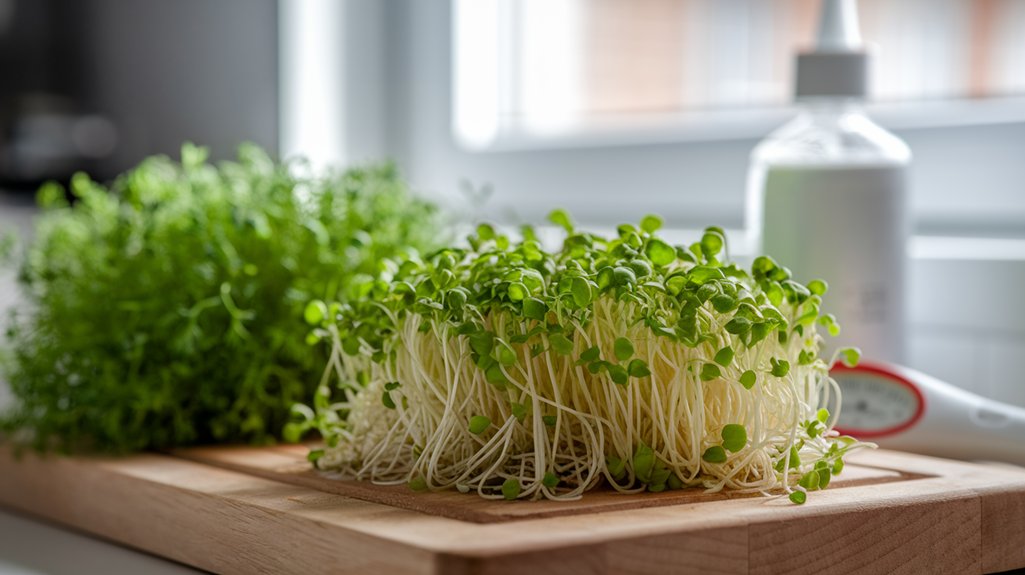
When you delve into the world of sprouts and microgreens, you’ll discover that these tiny plants pack a significant nutritional punch.
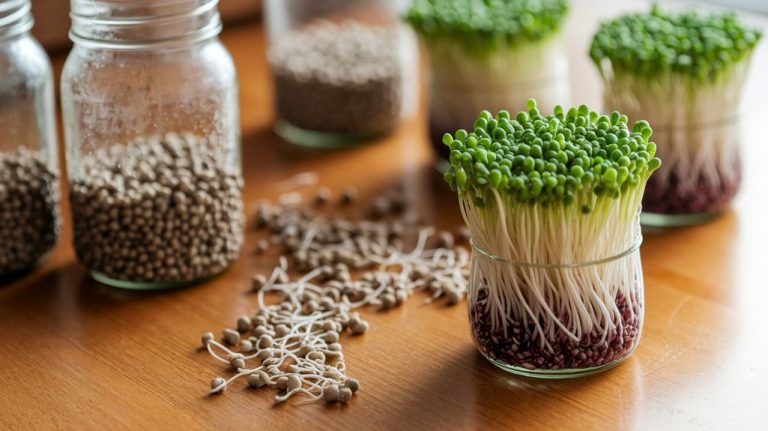
Sprouts are germinated seeds, while microgreens are young plants harvested shortly after their first true leaves appear. Both are nutrient-dense, often containing higher concentrations of vitamins, minerals, and antioxidants compared to their mature counterparts.
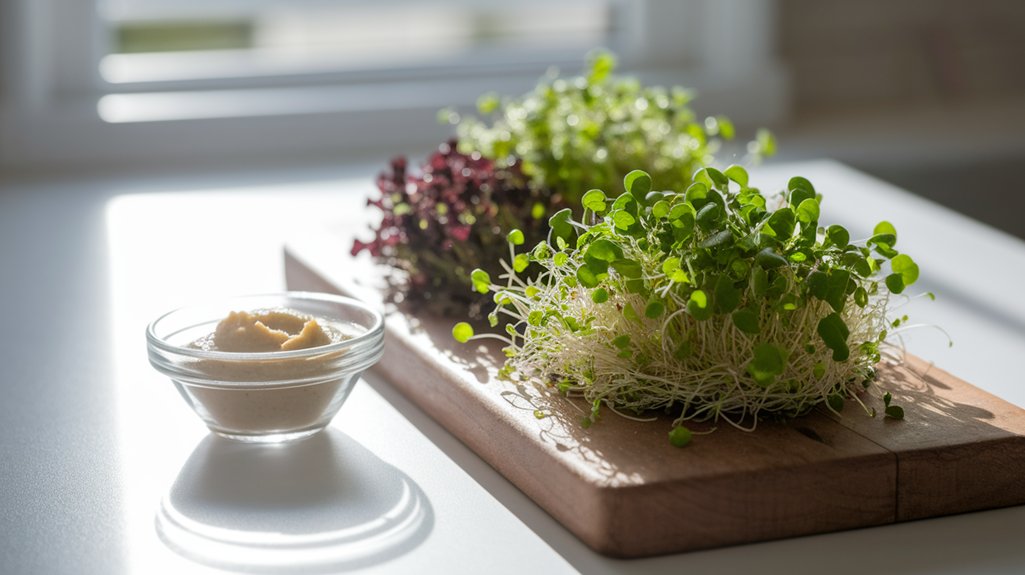
For instance, broccoli sprouts are rich in sulforaphane, known for its potential cancer-fighting properties. Incorporating these greens into your diet is easy; toss them into salads, smoothies, or sandwiches for an added boost.
However, be mindful of their delicate nature and ensure proper handling and storage to maximize their health benefits. Understanding these distinctions helps you appreciate the role of sprouts and microgreens in a balanced diet.
Common Allergens in Sprouts
When I explore the world of sprouts, I often encounter varieties that can trigger allergies in sensitive individuals.
It’s essential to be aware of these potential allergens and the risks of cross-contamination, especially in shared preparation spaces.
Potential Allergenic Sprout Varieties
Although many people enjoy the nutritional benefits of sprouts, it’s important to be aware that certain varieties can trigger allergic reactions in sensitive individuals.
For instance, alfalfa sprouts are known to cause symptoms in some people, particularly those with legume allergies. Similarly, mung bean and soy sprouts may also provoke reactions, especially in individuals allergic to soy.
Other varieties like broccoli and radish sprouts can pose risks as well, although they’re generally less common allergens.
If you’re unsure about how your body will react, it’s wise to consult an allergist before introducing new sprouts into your diet.
Cross-Contamination Risks
Cross-contamination poses a significant risk when handling sprouts, especially for individuals with allergies.
I’ve learned that allergens can easily transfer from one food item to another, particularly in environments where sprouts are prepared or served. Common allergens, such as peanuts, tree nuts, and soy, can contaminate sprouts through shared surfaces, utensils, or equipment.
To minimize these risks, I always clean surfaces thoroughly before preparing sprouts. I use separate cutting boards and utensils for allergens and sprouts to prevent any cross-contact.
Additionally, I recommend washing my hands frequently, especially after handling allergenic foods. By being vigilant about cross-contamination, I can make safer choices when enjoying the nutritional benefits of sprouts while protecting myself from potential allergic reactions.
Risks Associated With Raw Sprouts
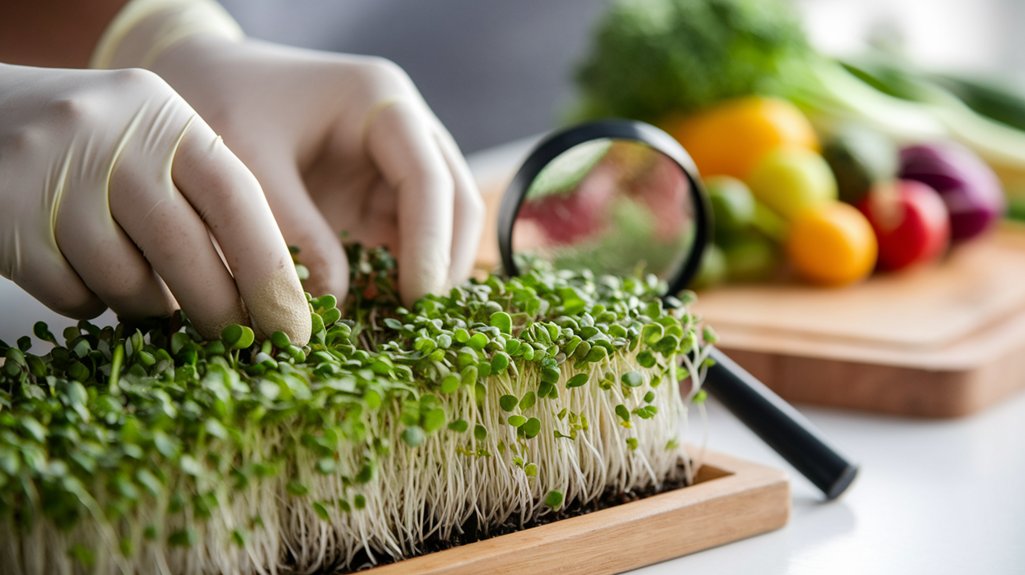
While I appreciate the nutritional benefits of raw sprouts, it’s crucial to recognize the potential health risks they pose.
Raw sprouts, such as alfalfa and mung beans, can harbor harmful bacteria like Salmonella and E. coli. These pathogens thrive in warm, moist conditions, which are ideal for sprout cultivation.
I’ve learned that even organic sprouts can be contaminated, making it essential to handle them with care. Consuming raw sprouts, especially for vulnerable populations like pregnant women or immunocompromised individuals, can lead to severe illness.
To minimize risks, I recommend cooking sprouts thoroughly or selecting pasteurized options. Being aware of these risks ensures we can enjoy the health benefits of sprouts without compromising our safety.
Safe Sourcing of Sprouts and Microgreens
Given the risks associated with raw sprouts, sourcing them safely becomes a priority for anyone looking to incorporate these nutritious foods into their diet.
I recommend choosing reputable suppliers who follow strict hygiene practices. Look for brands that conduct regular microbial testing and provide transparency about their growing methods.
If you can, visit local farmers’ markets to talk directly with growers about their safety protocols. Organic certification can also be a good indicator of quality, but it’s not a guarantee.
When buying packaged sprouts, check the expiration date and inspect the packaging for any signs of damage or moisture. Freshness is key, so don’t hesitate to ask questions to ensure you’re making safe choices for your health.
Proper Storage Techniques
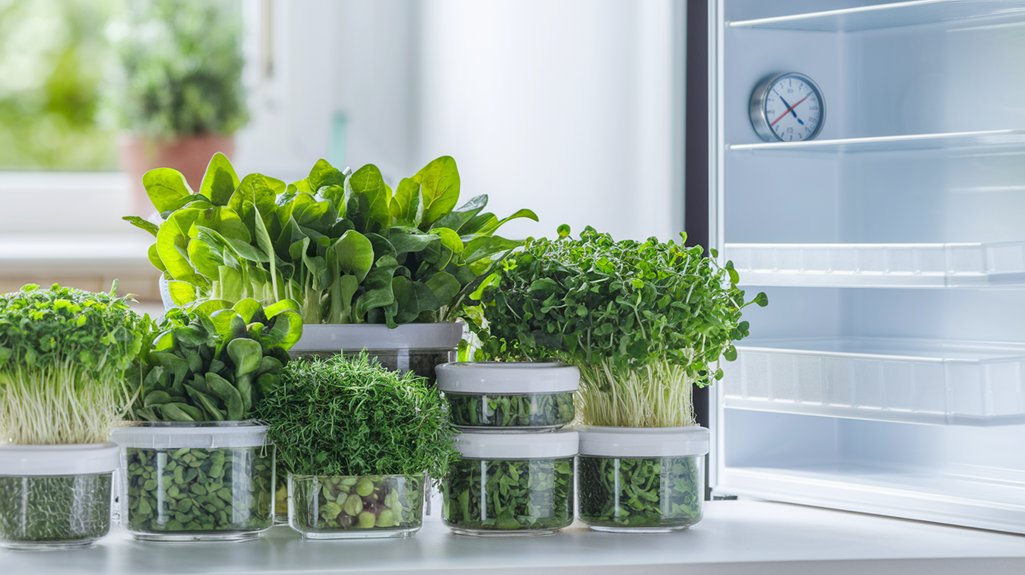
To keep your sprouts and microgreens fresh, it’s crucial to store them at the ideal temperature range, typically between 34°F and 40°F.
I recommend using an airtight container to minimize moisture and preserve their crispness.
Ideal Temperature Range
Understanding the ideal temperature range for storing sprouts and microgreens is crucial for maintaining their freshness and nutritional value. I’ve found that keeping these delicate greens at the right temperature can significantly enhance their longevity.
Here are some key tips to remember:
- Refrigerate Immediately: Store sprouts and microgreens in the refrigerator right after purchase or harvest.
- Optimal Temperature: Aim for temperatures between 32°F (0°C) and 40°F (4°C) to slow down spoilage.
- Avoid Freezing: Never freeze sprouts, as this can damage their cell structure and texture.
- Monitor Conditions: Regularly check your fridge’s temperature to ensure it remains consistent.
Airtight Container Usage
Maintaining the right temperature is just the beginning of ensuring your sprouts and microgreens stay fresh. Proper storage in airtight containers significantly reduces spoilage and preserves nutrients. I’ve found that using these containers helps prevent moisture buildup, which can lead to mold growth.
Here’s a quick reference for choosing the right container:
| Container Type | Airtight Quality | Recommended Use |
|---|---|---|
| Glass Jars | High | Long-term storage |
| Plastic Tubs | Moderate | Short-term storage |
| Ziplock Bags | Low | On-the-go snacking |
Always label your containers with the date to monitor freshness. By implementing these storage techniques, I ensure my sprouts and microgreens remain flavorful and safe to eat.
Cooking vs. Raw Consumption
While I appreciate the vibrant flavors and nutrients that sprouts and microgreens offer, the choice between cooking them or enjoying them raw can significantly impact both their safety and health benefits. Here’s what I consider:
- Nutrient Retention: Cooking can diminish certain vitamins, particularly water-soluble ones like vitamin C.
- Safety: Cooking can kill harmful bacteria, making it a safer option for those with compromised immune systems.
- Digestibility: For some, cooking makes these foods easier to digest, reducing potential gastrointestinal discomfort.
- Flavor Profile: Cooking can enhance flavors, adding depth that raw consumption mightn’t provide.
Ultimately, I weigh these factors based on my health needs and culinary preferences, ensuring a balanced approach to incorporating these nutritious foods into my diet.
Washing and Preparation Tips
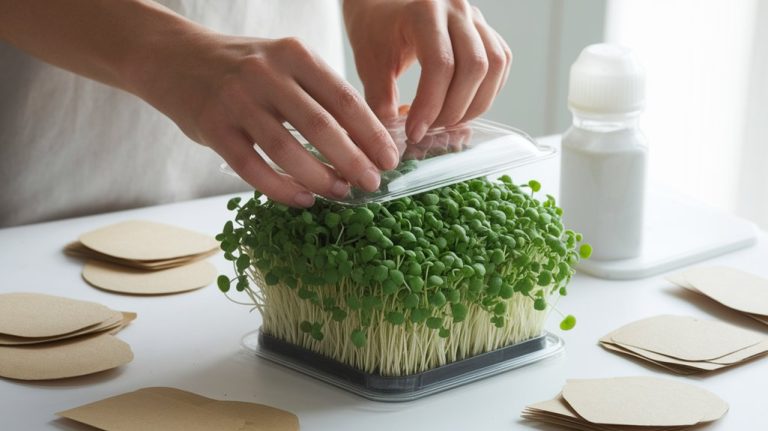
To ensure sprouts and microgreens are safe to eat, I always prioritize thorough washing and proper preparation. I start by rinsing them under cold running water for at least 30 seconds, gently agitating them to remove any debris. After that, I use a clean kitchen towel or paper towel to pat them dry.
Here’s a quick reference table for effective washing and preparation:
| Step | Description |
|---|---|
| 1. Rinse | Use cold running water, 30 seconds |
| 2. Agitate | Gently move them to dislodge dirt |
| 3. Drain | Use a colander or sieve |
| 4. Dry | Pat dry with a clean towel |
| 5. Store | Keep in a clean, airtight container |
These steps help minimize any potential health risks associated with consuming fresh greens.
Recognizing Signs of Spoilage
As I examine my sprouts and microgreens, I look for key signs of spoilage that can indicate they’re no longer safe to eat.
Recognizing these signs can prevent foodborne illnesses. Here’s what I check:
- Color Changes: Fresh sprouts and microgreens should be vibrant. Any dullness or browning is a red flag.
- Texture: I feel for sliminess or mushiness. Healthy greens should be crisp and firm.
- Odor: I take a whiff. A sour or off smell suggests spoilage.
- Mold: I inspect for any fuzzy growth. Mold can develop if they’re stored improperly.
Consulting With a Healthcare Professional
It’s wise to consult with a healthcare professional if you’re unsure about the safety of consuming sprouts and microgreens. They can provide tailored advice based on your health history and dietary needs. Here’s a quick reference table highlighting some common considerations:
| Factor | Consideration | Importance |
|---|---|---|
| Allergies | Discuss potential food allergies | Prevents allergic reactions |
| Immune Health | Evaluate your immune system status | Reduces risk of infection |
| Medication | Review interactions with current medications | Ensures safe consumption |
| Pregnancy | Assess whether sprouts are safe during pregnancy | Protects maternal and fetal health |
| Age | Consider age-related risks for children and elderly | Tailors dietary advice accordingly |
Tips for Those With Compromised Immune Systems
When dealing with a compromised immune system, being cautious about what you eat is crucial, especially with sprouts and microgreens. These foods can harbor bacteria that may pose health risks.
Here are some tips to help you enjoy them safely:
- Choose Pasteurized Products: Opt for pasteurized sprouts or microgreens, as the heat treatment kills harmful bacteria.
- Wash Thoroughly: Rinse sprouts and microgreens under running water to remove surface contaminants.
- Store Properly: Keep them refrigerated at a temperature below 40°F (4°C) to slow bacterial growth.
- Avoid Raw Consumption: Cook sprouts and microgreens when possible, as cooking reduces the risk of foodborne illness.
Frequently Asked Questions
Can I Grow My Own Sprouts at Home Safely?
Absolutely, I can grow my own sprouts at home safely!
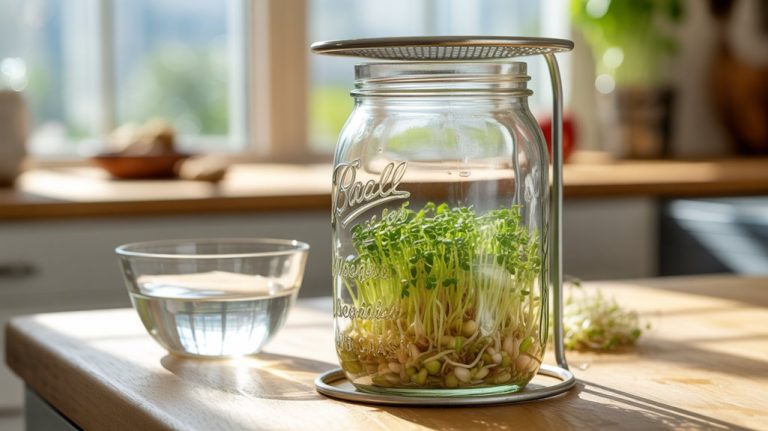
I start by using high-quality seeds specifically meant for sprouting. I make sure to rinse them thoroughly and use clean, sanitized equipment.
I keep them in a well-ventilated area and maintain proper moisture levels to prevent mold.
By following these steps, I ensure my sprouts aren’t only safe to eat but also packed with nutrients.
It’s a rewarding process!
What Are the Best Varieties of Sprouts for Allergy Sufferers?
When considering the best varieties of sprouts for allergy sufferers, I recommend focusing on less allergenic options like mung bean and broccoli sprouts.
These have shown to be well-tolerated by many. It’s essential to start small, introducing one type at a time to monitor any reactions.
I find that growing them at home allows for better control over their environment, which can help minimize allergens and ensure freshness for a healthy addition to my meals.
How Long Do Sprouts and Microgreens Typically Last?
Sprouts and microgreens typically last about five to seven days when stored properly in the refrigerator.
I always make sure to keep them in a breathable container, as excess moisture can lead to spoilage. If I notice any signs of wilting or an off smell, I toss them out.
It’s best to consume them as fresh as possible for optimal flavor and nutritional benefits, so I try to use them within a week.
Are Microgreens Safer Than Raw Sprouts?
When considering whether microgreens are safer than raw sprouts, I find that microgreens generally pose a lower risk.
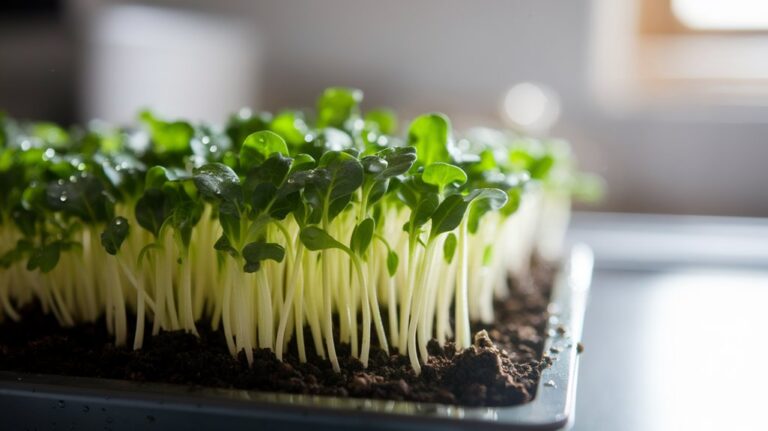
Unlike raw sprouts, microgreens are often grown in soil and harvested later, which reduces exposure to harmful bacteria.
I’ve noticed that many people enjoy the flavor and nutrient density of microgreens without the same concerns associated with raw sprouts.
Still, it’s essential to wash everything thoroughly, regardless of which option I choose to eat.
What Should I Do if I Experience an Allergic Reaction?
If I experience an allergic reaction, I first assess my symptoms—like hives, swelling, or difficulty breathing.
I’d stay calm and remove myself from the allergen. If symptoms worsen, I’d use my epinephrine auto-injector if I’ve one.
Then, I’d seek medical help immediately, either by calling emergency services or having someone drive me to the nearest hospital.
It’s crucial to be aware of my allergies and have a plan ready.
Conclusion
In conclusion, while sprouts and microgreens can be nutritious additions to your diet, it’s crucial to prioritize safety. By understanding allergens, sourcing them properly, and practicing effective storage and washing techniques, you can minimize risks. Always stay vigilant for signs of spoilage, and consult with a healthcare professional if you have concerns, especially if your immune system is compromised. With these precautions in mind, you can enjoy the benefits of these vibrant greens without unnecessary worry.