Microgreens and Sprouts: The Health Benefits Explained
Health Benefits of Microgreens and Sprouts — and Why Growing Your Own Makes Them Even Better
What are the health benefits of microgreens and sprouts?
Microgreens and sprouts are among the most nutrient-dense foods you can eat. They deliver concentrated vitamins, minerals, antioxidants, and digestive enzymes — often in amounts far higher than the same plant at full maturity. Growing them at home adds one more advantage: you harvest at peak freshness, so every bite carries the full nutritional punch, with no days of transit eroding it.
You do not need a garden, a greenhouse, or a green thumb to eat this well.
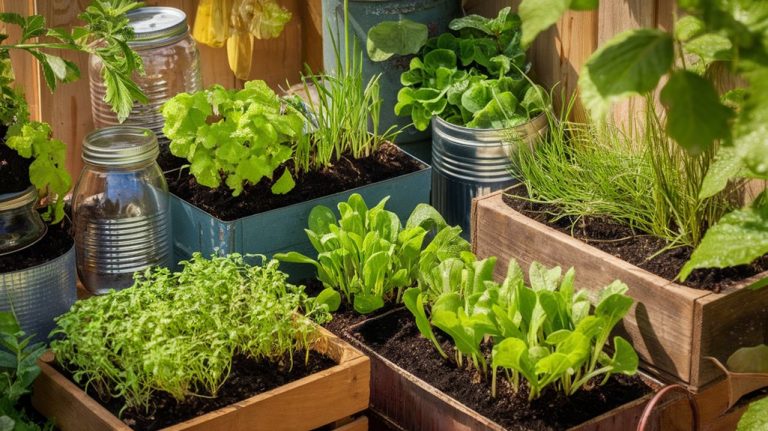
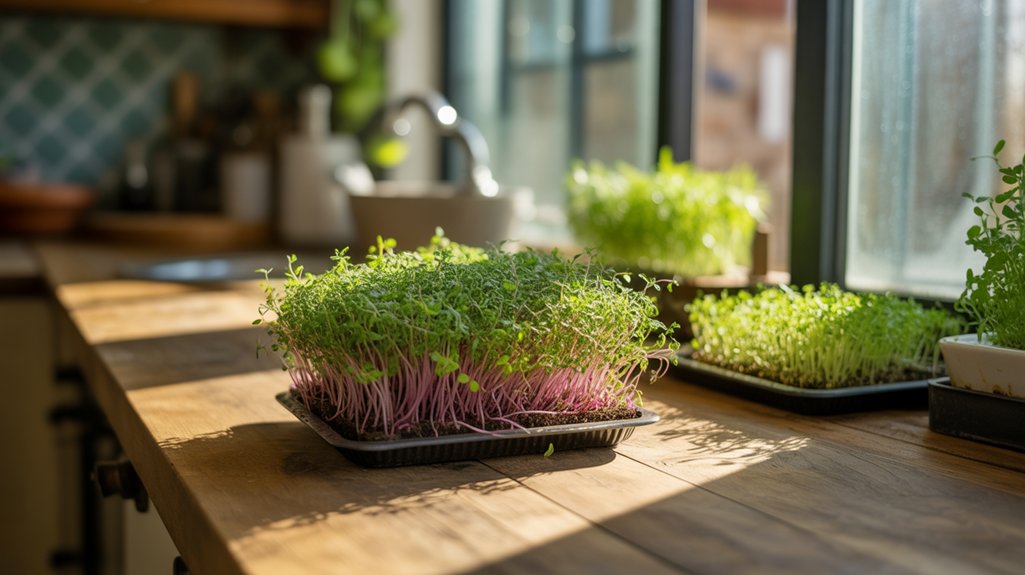
A windowsill, a jar, and a handful of seeds are enough to grow some of the most nutrient-rich food available — right in your kitchen. That is the quiet power of microgreens and sprouts, and it is why home growers around the world keep a tray or two going year-round.
This guide breaks down the real health benefits, what the research actually says, and why the version you grow yourself is consistently better than anything you will find at the supermarket.
They pack far more nutrition than you would expect from something so small
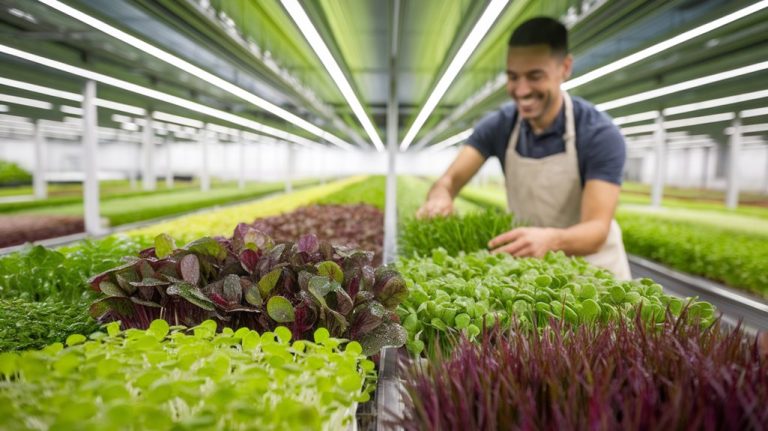
The size is deceptive. Microgreens harvested just 7 to 21 days after planting have been found to contain 4 to 40 times more vitamins and antioxidants than their fully grown counterparts, according to a widely cited study published in the Journal of Agricultural and Food Chemistry.
Sprouts take it even further in some ways. The moment a seed begins to germinate, its enzyme activity surges, anti-nutrients break down, and the seed essentially unlocks its stored nutrition in a form your body can absorb with far less effort than digesting a mature vegetable.
Both are genuinely small packages with extraordinary contents.
1. Antioxidant protection that fights inflammation at the source
Free radicals accumulate in the body from stress, pollution, processed food, and simply living. Left unchecked, they drive chronic inflammation — the low-grade kind linked to heart disease, type 2 diabetes, and certain cancers.
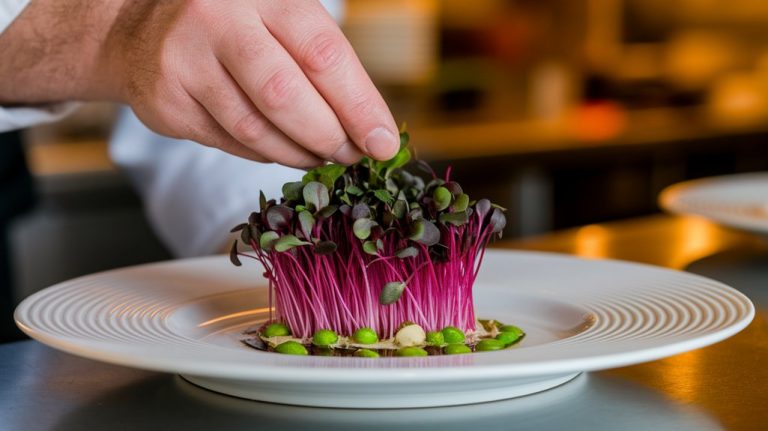
Microgreens are rich in polyphenols, carotenoids, and vitamins C and E, all of which are well-established antioxidants. Red cabbage microgreens, for instance, have been shown to contain particularly high levels of anthocyanins — the same plant pigments behind blueberries’ reputation as a superfood.
Eating a small handful of fresh microgreens daily is one of the most practical ways to consistently raise your antioxidant intake.
2. Digestive enzymes that your gut genuinely needs
Cooking destroys enzymes. Sprouting creates them.
When a seed germinates, it produces a surge of digestive enzymes — amylases, proteases, lipases — that help break down carbohydrates, proteins, and fats. These are the same types of enzymes your pancreas produces to support digestion. Eating raw sprouts adds more of them to the process.
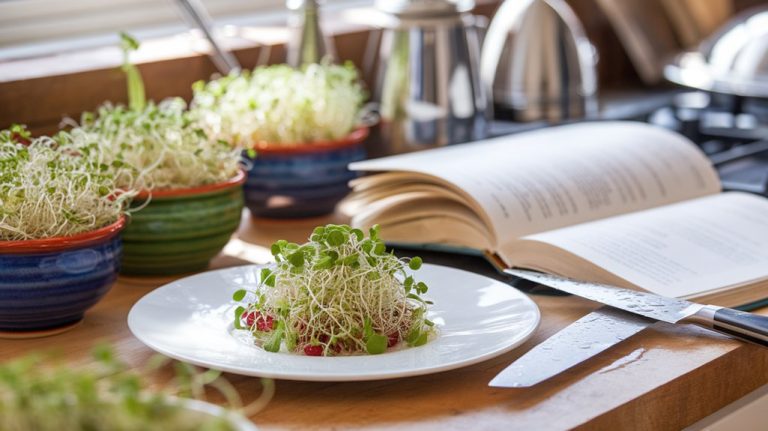
This is especially useful if you find certain foods sit heavily, or if your digestion runs slow. Mung bean sprouts and lentil sprouts are particularly enzyme-rich and easy to grow at home with nothing more than a jar and a piece of cheesecloth.
3. Immune support from vitamins C, E, and K working together
A single 30g serving of broccoli microgreens can supply a meaningful portion of your daily vitamin C requirement. Pea shoots are high in vitamin A. Sunflower microgreens deliver vitamin E. And many brassica microgreens are among the best plant-based sources of vitamin K.
These nutrients do not work in isolation — they support the immune system as a team. Vitamin C stimulates the production and function of white blood cells. Vitamin E protects cell membranes. Vitamin K plays a role in regulating inflammatory responses.
Growing a mix of varieties — rather than just one — lets you rotate through different nutritional profiles and keep that coverage broad.
4. Cardiovascular health benefits backed by real research
Sulforaphane — a compound found in high concentrations in broccoli and radish microgreens — has been studied extensively for its effect on heart health. Research suggests it helps reduce LDL (bad) cholesterol oxidation, lowers inflammation in arterial walls, and may improve blood pressure regulation.
Fenugreek sprouts contain compounds that help lower total cholesterol. Flaxseed sprouts are a source of alpha-linolenic acid, a plant-based omega-3 fatty acid that supports healthy cholesterol levels.
None of this requires a prescription or a supplement. It requires a tray and a little patience.
5. Blood sugar regulation through fiber and low glycemic density
Most microgreens and sprouts are very low in calories and carbohydrates, with a reasonable fiber content relative to their size. Fiber slows glucose absorption, which smooths out blood sugar spikes after meals.
Broccoli sprouts in particular have been studied in relation to insulin sensitivity. A 2012 study published in Lipids in Health and Disease found that broccoli sprout consumption was associated with improved insulin resistance markers in participants with type 2 diabetes.
If you are managing blood sugar or simply want to avoid the afternoon energy crash, adding a small handful of sprouts to your meals is a low-effort, evidence-supported habit.
6. Eye health from carotenoids you cannot get from a supplement bottle
Beta-carotene, lutein, and zeaxanthin are three carotenoids that protect the eyes from oxidative damage and reduce the risk of age-related macular degeneration.
Pea shoot microgreens and sunflower microgreens are particularly good sources. Nasturtium microgreens — a favourite among home growers for their peppery flavour — are rich in lutein and zeaxanthin.
The body absorbs these carotenoids better from food than from supplements, especially when eaten with a small amount of healthy fat (a drizzle of olive oil, an avocado, a few seeds). Fresh microgreens make this easy.
7. Bone health through vitamin K you actually absorb
Vitamin K2 is essential for directing calcium into bones rather than soft tissues. It works alongside vitamin D to support bone density and is consistently under-consumed in Western diets.
Microgreens from the brassica family — kale, broccoli, cabbage — are good sources of vitamin K1, which the body partially converts to K2. The absorption of fat-soluble vitamin K improves significantly when these greens are eaten fresh, rather than after days in a refrigerator or freezer.
8. Natural detoxification support from cruciferous compounds
Sulforaphane does more than protect the heart. It activates a group of detoxification enzymes in the liver that help the body process and eliminate environmental toxins, heavy metals, and carcinogenic compounds.
Broccoli sprouts contain more sulforaphane by weight than mature broccoli — sometimes 10 to 100 times more, according to research from Johns Hopkins University. You do not need to eat a mountain of broccoli. A small tray of broccoli sprouts or microgreens, grown on your kitchen counter, delivers the same compounds in a fraction of the volume.
9. Energy and mental clarity from B vitamins and bioavailable iron
Sprouts are a good source of B vitamins — B1 (thiamine), B2 (riboflavin), B3 (niacin), B6, and folate — which are critical for converting food into usable energy at the cellular level. B vitamins also support neurotransmitter production, which affects mood and mental focus.
Lentil sprouts and chickpea sprouts are particularly high in folate and iron. The sprouting process reduces phytic acid — an anti-nutrient that binds iron and prevents absorption — which means the iron in sprouted lentils is more bioavailable than in cooked dried lentils.
If you run low on energy or concentration by mid-afternoon, adding sprouts to your lunch is a practical, food-first intervention.
Why home-grown microgreens and sprouts deliver more of these benefits
Store-bought microgreens and sprouts are not bad. But by the time they travel from a commercial farm, sit in distribution, and land in your supermarket fridge, several days have passed. Vitamin C begins degrading within 24 hours of harvest. Enzymes deactivate gradually. The window of peak nutrition is short.
When you grow your own, you close that gap entirely.
You harvest the morning you eat. The enzymes are still active. The vitamins are at their highest. The flavour is at its most alive — and flavour in plants is often a direct signal of phytonutrient density.
You also control exactly what goes into them. No pesticides, no post-harvest treatments, no guessing. Just seeds, water, and light.
That is the core argument for growing your own: it is not just convenient or satisfying (though it is both). It is the most nutritious version of the food available to you.
Which varieties give you the most health benefit?
Different microgreens and sprouts have different nutritional strengths. A few worth prioritising if health benefits are your main goal:
- For antioxidants: red cabbage microgreens, radish microgreens, amaranth microgreens.
- For sulforaphane: broccoli sprouts and microgreens — the single highest dietary source available.
- For vitamin C: kale microgreens, mustard microgreens, pea shoots.
- For digestive enzymes: mung bean sprouts, lentil sprouts, alfalfa sprouts.
- For iron and B vitamins: lentil sprouts, chickpea sprouts, fenugreek sprouts.
- For eye health: pea shoot microgreens, sunflower microgreens, nasturtium microgreens.
Growing a rotating selection of two or three varieties at a time gives you coverage across most of these categories without any single tray becoming a chore.
How to start getting these benefits today
You do not need to overhaul your kitchen or invest in expensive equipment.
Start with a single jar of mung bean sprouts — they are ready in 3 to 5 days and require nothing but rinsing twice a day. Or seed a small tray of sunflower or pea shoot microgreens, which are forgiving for beginners and ready in 10 to 14 days.
The guides on this site will walk you through every step, from choosing seeds to the first harvest. Once you see how simple it is, and how much better everything tastes fresh, a tray or two becomes a permanent fixture on the windowsill.
⟶ Ready to start? See the step-by-step guide to growing sprouts at home or the complete microgreens growing guide to get your first harvest going this week.