5 Mung Bean Sprout Recipes Ready in 15 Minutes
What can you make with mung bean sprouts?
Mung bean sprouts work in stir-fries, noodle dishes, soups, spring rolls, and raw salads – and all of these come together in under 15 minutes. The key to getting the best from home-grown sprouts is timing: they are at peak crispness and nutrition on harvest day, so the recipes below are built around fast preparation that preserves that texture and the vitamin C and folate that degrade with prolonged heat.
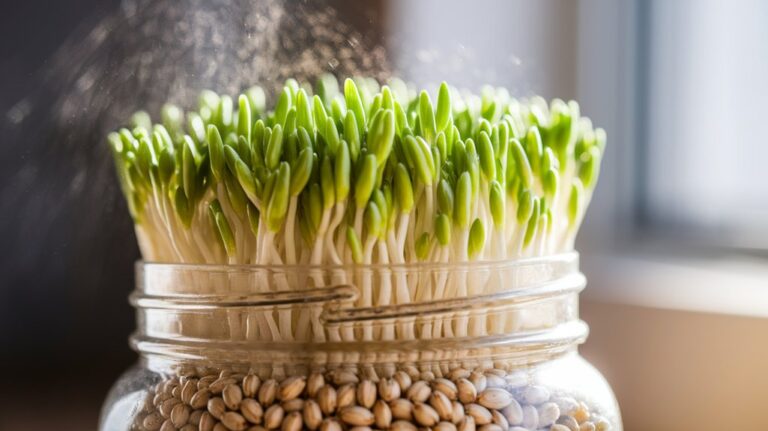
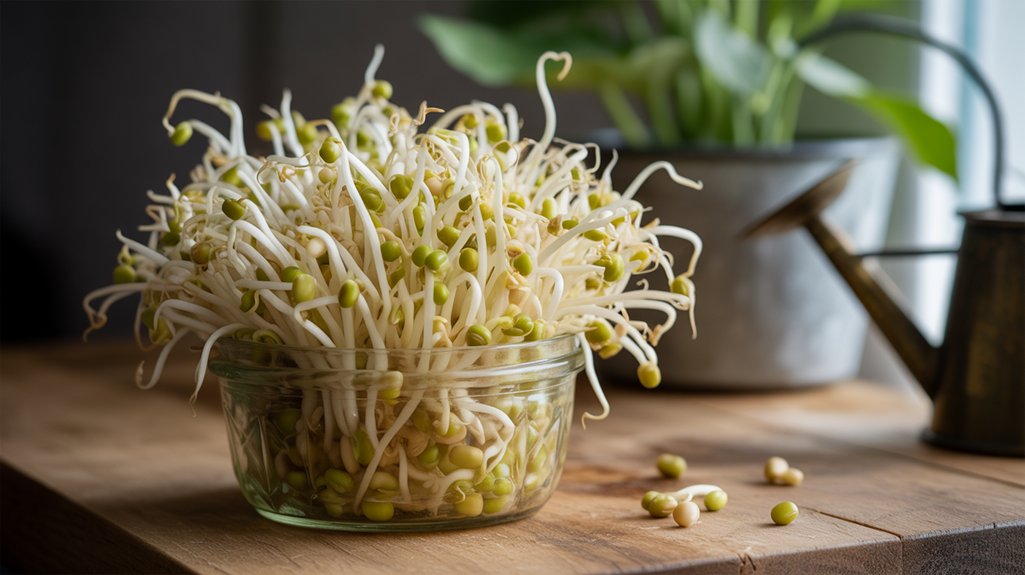
You have just pulled your first jar of home-grown mung bean sprouts off the counter. They are white, crisp, clean-smelling, and ready to eat – nothing like the slightly limp, faintly slimy sprouts in a supermarket bag.
Now what?
This is the moment most growing guides leave you without much help. The harvest instructions are done, the nutrition information has been explained, but no one tells you what to actually make for dinner tonight.
These five recipes close that gap. They are all under 15 minutes, they all treat the sprouts well (either raw or flash-cooked so the texture and vitamins survive), and they cover the full range of things you can do with a bowl of fresh sprouts from sweet to savoury, raw to briefly cooked.
Before you cook: one rule that changes everything
Mung bean sprouts are mostly water. When that water hits a hot pan, it turns to steam — and steam-cooked sprouts go limp and waterlogged within seconds.
The fix is simple: make sure your sprouts are as dry as possible before they touch heat.
After your final rinse at harvest, drain thoroughly in a colander, then spread them on a clean tea towel or pat dry for a minute. Even better: put them in a salad spinner and give them a spin. Dry sprouts in a hot pan stay crisp. Wet sprouts in a hot pan turn soggy. That single step separates a great stir-fry from a disappointing one.
For raw recipes, dryness matters too – wet sprouts dilute dressings and make salads watery.
Recipe 1: Garlic and Ginger Stir-Fry (5 minutes)
The classic. This is the preparation that makes mung bean sprouts famous across East and Southeast Asian cooking – simple, fast, and far better than anything from a takeaway bag.
What you need (serves 2):
- 200g fresh mung bean sprouts, dried well
- 2 cloves garlic, thinly sliced
- 1 tsp fresh ginger, grated or finely sliced
- 1 tbsp neutral oil (sunflower, groundnut, or light olive oil)
- 1 tbsp soy sauce (light soy for a cleaner flavour)
- 1 tsp toasted sesame oil (added off the heat)
- Optional: 2 spring onions, sliced; a pinch of white pepper
Method:
- Get your wok or largest frying pan very hot – hotter than you think is needed. This is the most important step. Medium heat produces limp sprouts; high heat produces crisp ones.
- Add the neutral oil and let it heat for 20 seconds.
- Add garlic and ginger together. Stir-fry for 30 seconds until fragrant but not yet browning.
- Add the dry sprouts in one go. Toss continuously for 60 to 90 seconds – no longer. The sprouts should be just wilted at the edges but still have bite at the centre.
- Add soy sauce, toss once more, then take off the heat immediately.
- Drizzle with sesame oil and scatter with spring onions.
Eat immediately – sprouts continue cooking in the residual heat and lose their crunch quickly once off the wok. This dish does not wait.
Why it works: High heat, dry sprouts, and a short cooking time are the three things every great sprout stir-fry shares. Sesame oil added off the heat rather than during cooking keeps its nutty flavour intact (it burns and turns bitter at wok temperatures).
Recipe 2: Quick Sesame Noodles with Sprouts (12 minutes)
A cold or room-temperature noodle dish that doubles as lunch the next day. The sprouts add crunch and freshness to what would otherwise be a heavy bowl.
What you need (serves 2):
- 150g dried noodles (rice noodles, soba, or thin egg noodles)
- 150g fresh mung bean sprouts
- 2 tbsp tahini or peanut butter
- 1.5 tbsp soy sauce
- 1 tbsp rice vinegar
- 1 tsp toasted sesame oil
- 1 tsp honey or maple syrup
- 1 clove garlic, grated
- 2 to 4 tbsp water to loosen the dressing
- Optional: sliced cucumber, shredded carrot, chopped spring onion, sesame seeds, chilli flakes
Method:
- Cook noodles according to packet instructions. Drain and rinse under cold water to stop cooking and prevent clumping.
- Whisk together tahini, soy sauce, rice vinegar, sesame oil, honey, and garlic until smooth. Add water a tablespoon at a time until the dressing coats a spoon without being too thick.
- Toss the noodles with the dressing while still slightly warm so they absorb it well.
- Add the raw mung bean sprouts and any optional vegetables. Toss gently – you want the sprouts to stay whole and crisp rather than break up.
- Scatter with sesame seeds and spring onions. Serve at room temperature or chilled.
Why the sprouts stay raw here: The sesame dressing provides enough flavour complexity that the sprouts do not need cooking. Raw sprouts in this dish add the crisp, fresh contrast the noodles need – and because they go in at the end, they retain all their vitamin C and folate rather than losing it to heat.
Recipe 3: Ten-Minute Broth Bowl
This is the fastest bowl of something warming you can make from a harvested jar of sprouts. It is the bowl you make when you want something restorative without standing over a stove for twenty minutes.
What you need (serves 1):
- 400ml good chicken or vegetable stock (homemade is best; a good stock cube works fine)
- 100g fresh mung bean sprouts
- 1 spring onion, thinly sliced
- A few slices of fresh ginger
- 1 tbsp soy sauce
- 1 tsp sesame oil
- Optional additions: a soft-boiled egg, cooked noodles or rice, a handful of spinach, a few drops of chilli oil, fresh coriander
Method:
- Bring the stock to a gentle simmer with the ginger slices. Let it steep for 3 to 4 minutes. Add soy sauce.
- Put the raw mung bean sprouts in a bowl. Pour the hot broth directly over them.
- Drizzle with sesame oil and scatter with spring onions.
- Add any optional extras and eat immediately.
The hot broth lightly wilts the sprouts – just enough to soften the raw edge while leaving them crisp at the core. This is the technique used in Vietnamese pho, where sprouts are traditionally served on the side and added by the diner to the hot broth at the table rather than cooked through.
Why at-the-table rather than simmered: Adding sprouts to already-simmering broth and cooking them through produces soft, flavourless sprouts and a cloudy broth. Pouring hot stock over raw sprouts in the bowl gives you a clean broth and sprouts that are warm but still textured.
Recipe 4: Fresh Rice Paper Spring Rolls (15 minutes)
Spring rolls are one of the best uses of home-grown mung bean sprouts because the sprouts go in raw and the whole thing is assembled cold – so you taste them at full freshness, with maximum crunch.
What you need (makes 6 to 8 rolls):
- 6–8 rice paper wrappers (available at any Asian supermarket and many larger supermarkets)
- 150g fresh mung bean sprouts
- 100g rice vermicelli noodles, cooked and cooled
- 1 medium carrot, julienned or grated
- Half a cucumber, julienned
- A handful of fresh mint and coriander leaves
- Optional: cooked prawns, shredded chicken, tofu, avocado
For dipping:
- 3 tbsp hoisin sauce mixed with 1 tbsp warm water and a squeeze of lime
- Or: 2 tbsp soy sauce, 1 tbsp rice vinegar, 1 tsp sesame oil, pinch of chilli flakes
Method:
- Set up an assembly station: a wide, shallow bowl of warm water for dipping the wrappers; all the fillings in separate bowls.
- Dip one rice paper wrapper in the warm water for 10 to 15 seconds until just pliable (not completely soft — it will continue to soften as you work).
- Lay flat on a board. Place a small pile of noodles in the lower third, then add a generous pinch of sprouts, carrot, cucumber, and herbs. Add any protein.
- Fold the bottom edge up over the filling, fold in the sides, and roll tightly away from you.
- Set aside seam-down and repeat.
- Eat immediately with dipping sauce, or cover with a damp cloth and refrigerate for up to 2 hours.
A note on the wrappers: rice paper goes from too firm to too soft very quickly. Pull it from the water when it is still slightly stiff – it becomes fully pliable as you fill and roll it. If your first one tears, you are soaking too long; if it cracks, soak a few seconds more.
Recipe 5: Crisp Sprout Salad with Sesame Dressing (5 minutes)
The simplest recipe in this list and the one that shows off fresh sprouts most directly. No cooking, no heat, nothing that interferes with the clean flavour of a day-old harvest.
What you need (serves 2):
- 200g fresh mung bean sprouts
- 2 spring onions, very thinly sliced
- 1 tsp toasted sesame seeds
- Optional: shredded carrot, thinly sliced radish, a handful of coriander
Dressing:
- 1.5 tbsp soy sauce
- 1 tbsp rice vinegar
- 1 tsp toasted sesame oil
- Half tsp honey or maple syrup
- Half tsp grated garlic or a pinch of garlic powder
- Optional: a few drops of chilli oil or a pinch of dried chilli flakes
Method:
- Whisk the dressing ingredients together.
- Toss the sprouts and spring onions with the dressing.
- Scatter sesame seeds over the top.
- Eat immediately — the salt in the dressing will draw moisture from the sprouts and the salad softens after 10 to 15 minutes.
This is the sprout at its most nutritionally intact: raw, fresh, dressed and eaten immediately. Vitamin C, folate, and the antioxidants that built up during four days in the jar go straight to you without any loss to heat.
Getting the most from your harvest
Home-grown mung bean sprouts are best in the first 24 to 48 hours after harvest. After that they remain safe to eat but gradually lose their crispness and some nutritional value.
A practical approach: harvest in the morning, use a large portion in that day’s meals (the stir-fry or the salad), and keep the remainder loosely stored in an airtight container in the refrigerator for use over the next two days in the broth bowl, noodle dish, or spring rolls.
If you grow a full tray or a large jar, you will likely eat the whole batch across two or three meals over two days — which is exactly the cadence a healthy, continuous growing rotation naturally produces.
⟶ Not yet growing your own mung bean sprouts? The mung bean sprouts home growing guide covers the full method – from soak to harvest in 4 days using just a jar and water.
⟶ Looking for more recipe ideas across all your home-grown greens? Deliciously nutritious meals with fresh sprouts has ideas across a wider range of sprout varieties.
⟶ Want to expand your sprouting rotation? The seed library has notes on every variety – including which ones work best for raw eating and which are better cooked.