Short answer: soak raw, unsalted hulled pumpkin seeds (pepitas) in cool water for 6 to 8 hours. Drain and rinse them, then leave them in a jar for up to a day, rinsing once or twice. Many won't show a tail, and that's normal. Eat them within 2 to 3 days, or dry them at a low temperature until crisp.
Can you really sprout pumpkin seeds?
It depends on the seed.
| Seed | What happens | Best use |
|---|---|---|
| Raw hulled pepitas | They soften and swell. A few grow a tiny tail | Soaked or dried snacks |
| Whole raw seeds in the shell | They can grow true sprouts, but slowly | Mostly for planting |
| Roasted or salted seeds | Nothing; heat has killed them | Eat as they are |
Hulled pepitas often have damaged or dried embryos after hulling and storage, so even raw ones sprout unevenly. That's why most recipes for "sprouted pumpkin seeds" are really soaked and dried, sometimes called activated. They're still worth making: soaking softens the seeds and many people find them easier to digest and nicer to eat.
How to sprout (or activate) pumpkin seeds
- Day0
Soak for 6–8 hours
Cover 1 cup of raw, unsalted pepitas with cool water and a pinch of salt if you like. Soak for 6 to 8 hours.
- Day0
Drain and rinse
Drain and rinse well. Taste one: it should be plump and softer than before.
- Day0–1
Rest in a jar (optional)
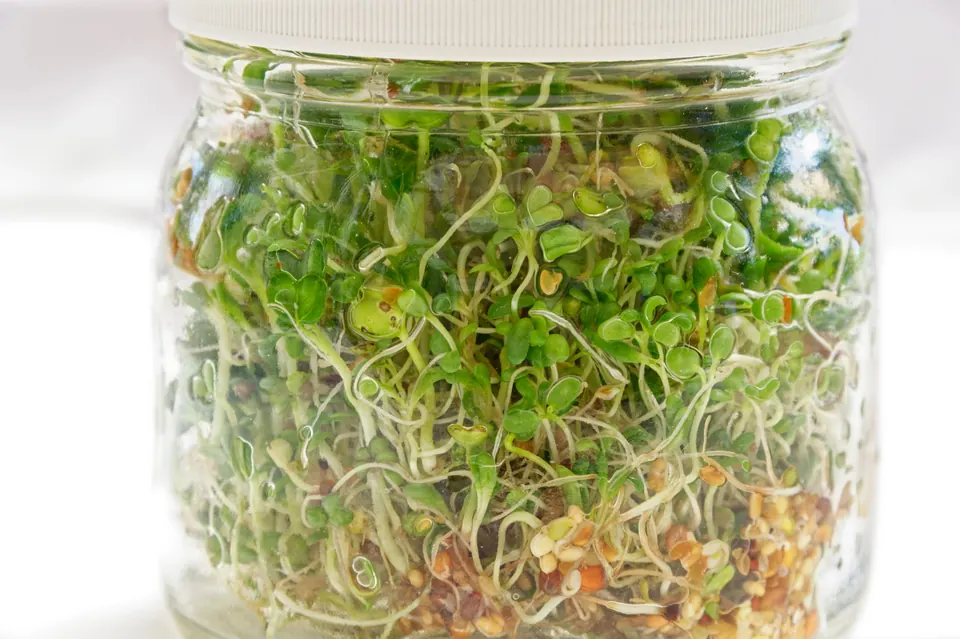
Leave them in a jar with a mesh lid for up to 24 hours, rinsing once or twice. Some may grow a tiny tail. Stop before they smell sour.
- Day1
Eat or dry
Eat them within 2 to 3 days, refrigerated. Or dry them at 110 to 150°F (43 to 65°C) until crisp, 8 to 24 hours.
Don't overdo the soak. Pumpkin seeds are oily and can turn sour if soaked too long or kept too warm. Stick to 6 to 8 hours and keep them in the fridge once they're ready.
Drying sprouted pumpkin seeds
Dried, soaked pepitas are crunchy and keep for months.
- Dehydrator: spread them in one layer and dry at about 115 to 140°F (46 to 60°C) for 12 to 24 hours.
- Oven: use the lowest setting, with the door cracked open, for 8 to 12 hours. Stir every few hours.
They're done when they're crisp right through. Season them with salt or spices before drying, or toss them in a little oil and spices after.
What about sprouting whole pumpkin seeds?
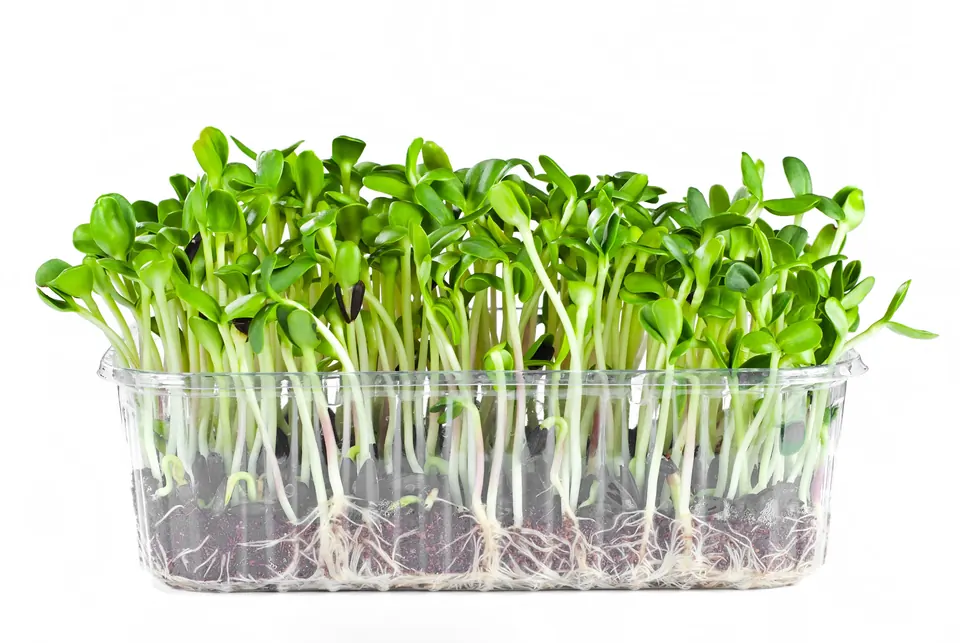
Fresh seeds scooped from a pumpkin, cleaned and left in the shell, can grow true sprouts if you keep them warm and damp for several days. They're tough to eat with the shell on, so they're mostly used to start pumpkin plants. If you want a true sprout to eat, sunflower or lentils are much easier.
Food safety
Soaked and sprouted seeds can grow bacteria if kept warm and wet for too long. Use fresh, clean seeds, rinse them well, keep the soak short and refrigerate them once they're ready. Health Canada advises cooking sprouts, and the FDA says higher-risk groups should not eat raw sprouts.12 Drying or toasting soaked pepitas is a good option.
How to use sprouted pumpkin seeds
- Snacks: dried and seasoned with salt, chili or cinnamon.
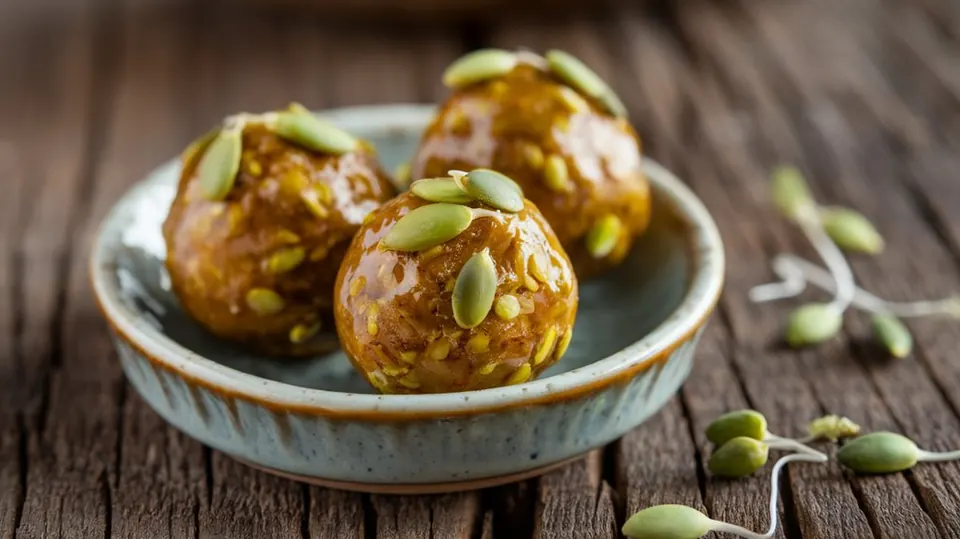
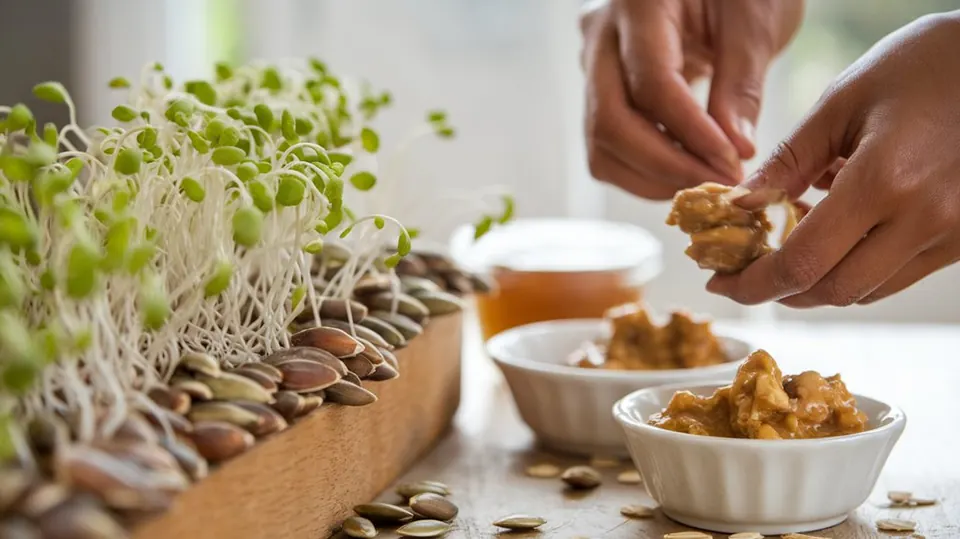
- Energy bites: see our sprouted pumpkin seed energy bites.
- Salads and bowls: a crunchy topping.
- Granola and bread: stir them into dough or granola mix.
- Pesto: blend soaked pepitas with herbs instead of pine nuts.
Seeds in this article
Frequently asked questions
Can you sprout pumpkin seeds?
Sort of. Raw hulled pepitas usually just soften and swell when soaked, and many never grow a visible tail. Whole raw pumpkin seeds in the shell can sprout, but they take several days and are mostly used for growing plants. Most people eat soaked, or activated, pepitas.
What's the difference between sprouted and activated pumpkin seeds?
Activated seeds are soaked and then dried, usually without growing a sprout. Sprouted seeds have started to grow a small root. With pepitas, the two terms are often used for the same thing.
Do I need raw pumpkin seeds?
Yes. Roasted or salted pumpkin seeds have been heated and can't sprout. Look for raw, unsalted pepitas, and check the packaging for a recent date.
How long do soaked pumpkin seeds last?
Soaked or sprouted pepitas keep 2 to 3 days in the fridge. Dried ones keep for a few months in a sealed jar in a cool place, or longer in the fridge.

Written by Michael
A passionate sprouting professional sharing practical tips for growing sprouts and microgreens at home. More about Michael