Short answer: sprouted bread is whole-grain bread made from grains that started to grow before baking. The easiest way to make it at home is to swap regular whole wheat flour for sprouted wheat flour in a simple yeast loaf (recipe below). For a dense, flourless loaf, grind freshly sprouted wheat berries into a paste and bake it low and slow.
What is sprouted bread?
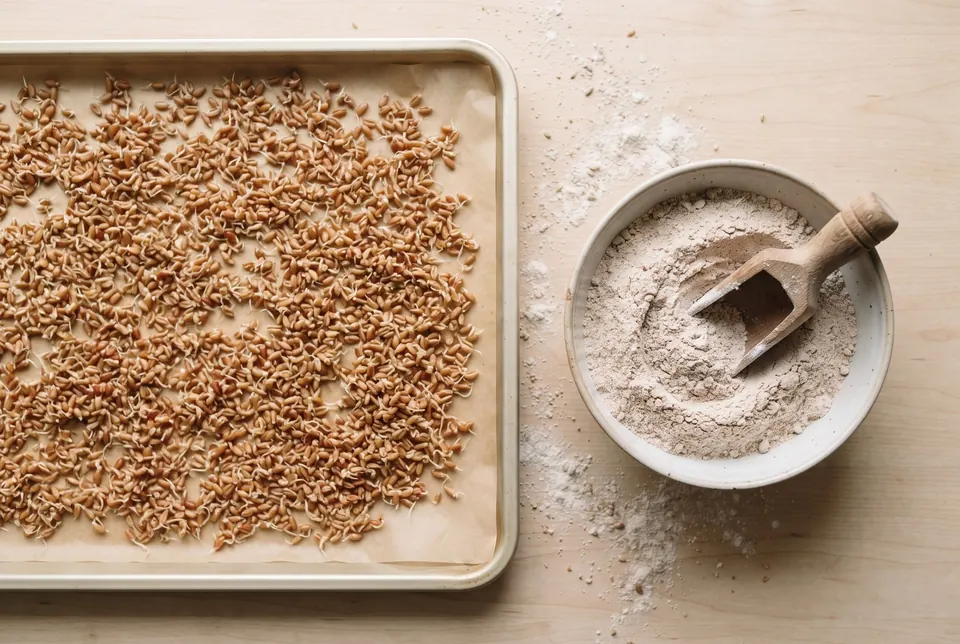
Grains like wheat, spelt and barley are seeds. Soak them in water, keep them damp for a day or two, and they start to grow a tiny root. Sprouted bread uses grain at that stage.
There's no single legal definition of "sprouted grain," but the Whole Grains Council points to one common standard: the grain has started to sprout, but the sprout is still short, and the grain keeps the nutrients of a whole grain.1
You'll find two main kinds of sprouted bread:
- Flourless sprouted bread. Bakers grind freshly sprouted grains wet into a dough and bake it. The best-known shop brands use this method. The loaf is dense, moist and chewy.
- Sprouted flour bread. Sprouted grains are dried and milled into flour, then baked like regular whole wheat bread. The loaf is lighter and easier to make at home.
Is sprouted bread healthier?
Sprouted bread is still whole-grain bread, with all the fiber of whole grains. Sprouting adds a few changes:
- Less phytate. Sprouting can lower phytate, a compound in grains that holds onto minerals like iron and zinc, so some minerals may be easier to absorb.2
- Some starch is broken down. Enzymes that wake up during sprouting start turning starch into sugars. Many people find sprouted bread slightly sweeter.
- Different dough. Those same enzymes change how the dough behaves, which is why sprouted breads are denser or rise faster.3
These are real but modest differences. Sprouted bread isn't gluten-free, and it isn't a medicine. It's a tasty whole-grain bread.
How to make sprouted bread at home
Option 1: Sprouted flour loaf (easiest)
The recipe card below uses sprouted whole wheat flour in place of regular whole wheat. You can buy sprouted flour, or make your own: see how to make sprouted wheat flour.
Option 2: Flourless sprouted grain loaf
This is closer to the dense shop loaves. It takes about 3 days, mostly hands-off.
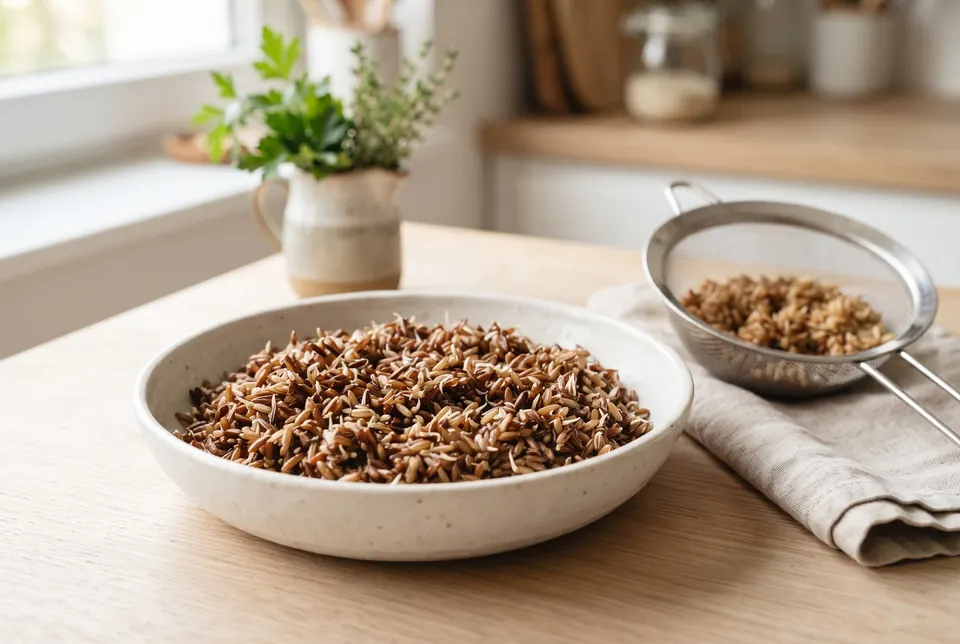
- Sprout the grain. Soak 2 cups of hard red wheat berries for 8 to 12 hours. Rinse and drain twice a day for 1 to 2 days, until the tails are just visible, no longer than ⅛ inch (3 mm).
- Drain very well. The grain should be damp, not wet. Pat it dry on a towel for 30 minutes.
- Grind. Process the grain in a food processor for 3 to 5 minutes, scraping down often, until it forms a sticky, dough-like ball. Add 1 tsp salt.
- Form the loaf. With wet hands, form it into a small, flat loaf on a lined baking sheet, or press it into a small greased loaf pan.
- Bake low and slow at about 300°F (150°C) for 1½ to 2 hours, until firm and lightly browned. Cool completely before slicing.
Expect a dense, moist, slightly sweet loaf, best sliced thin and toasted. Add a handful of sprouted lentils, seeds or dried fruit for variety.
Tips for better sprouted bread
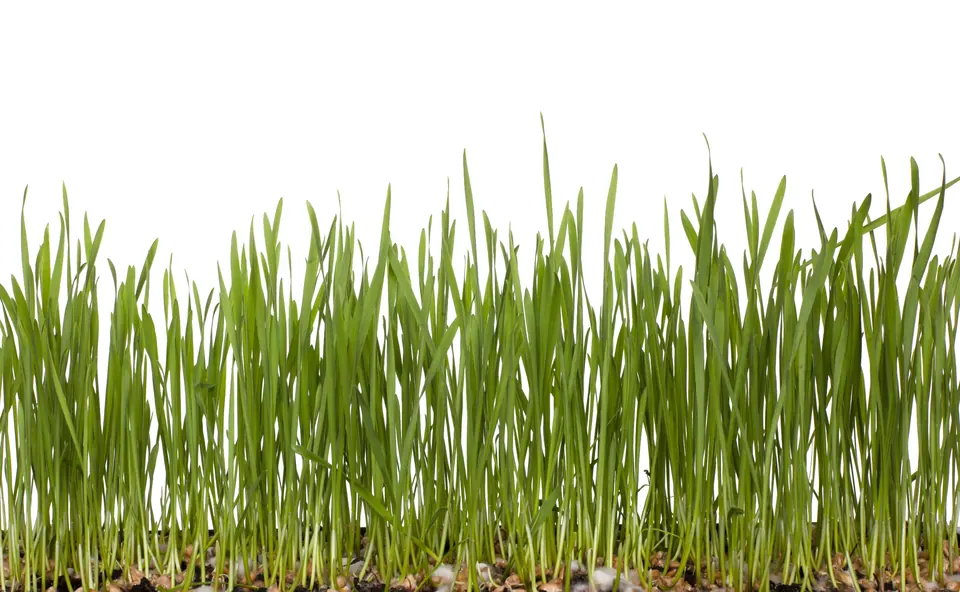
- Keep sprouts short. Grain sprouted too long makes bread gummy. Stop when the root just appears.
- Don't over-proof. Sprouted doughs rise and soften faster than you expect.
- Bake fully. Sprouted loaves are moist. Bake to a dark brown colour and check the inside temperature: 200 to 205°F (93 to 96°C).
- Mix grains. Try replacing a quarter of the wheat with sprouted spelt, rye or barley.
Which grains to sprout for bread
| Grain | Bread notes |
|---|---|
| Hard red wheat | The classic choice, good rise and flavour |
| Spelt | Nutty and sweet, a softer dough |
| Kamut (khorasan) | Buttery, golden crumb |
| Rye | Earthy and dense; mix with wheat |
| Barley | Malty; use a small amount with wheat |
Where to buy grain for sprouted bread
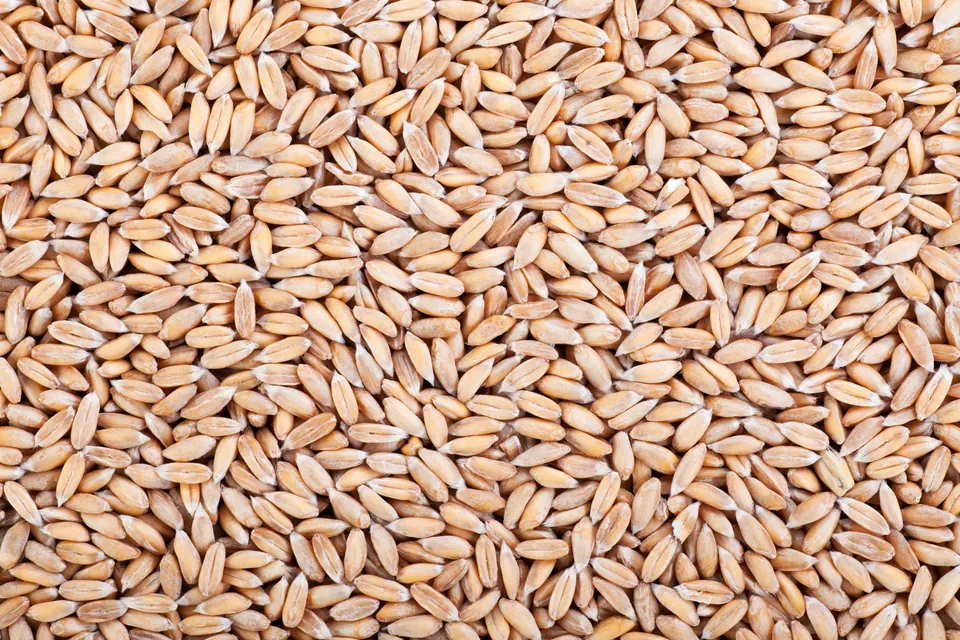
We link to hard red spring wheat, spelt and Kamut® from Sprouting.com, which sells whole grains for sprouting. Look for whole, untreated grain. Pearled or cracked grain won't sprout.
Frequently asked questions
What is sprouted bread?
Sprouted bread uses whole grains that started to grow before baking. Some kinds, like the well-known flourless loaves, use wet, ground sprouted grains. Others use flour milled from sprouted and dried grain.
Is sprouted bread healthier than whole wheat bread?
Both are whole grain. Sprouting can lower phytate, which may make some minerals easier to absorb, and it changes some starches and proteins. The differences are modest. Sprouted bread is a good whole-grain choice, not a different category of food.
Is sprouted bread gluten-free?
No. Sprouted wheat, spelt, barley and rye bread still contains gluten. People with celiac disease should avoid it unless it's made only from gluten-free grains and labeled gluten-free.
Why is sprouted bread dense?
Sprouting activates enzymes that break down starch and gluten, so sprouted doughs are weaker. Loaves made from wet, ground sprouted grains are naturally dense and moist. Sprouted flour gives a lighter loaf, especially if the grain was sprouted only briefly.
Where do I keep sprouted bread?
Homemade sprouted bread keeps about 3 days at room temperature in a bread bag. Many shops sell sprouted bread frozen or chilled because it contains no preservatives. Slice and freeze any loaf you won't finish quickly.

Written by Michael
A passionate sprouting professional sharing practical tips for growing sprouts and microgreens at home. More about Michael
Sources
- Oldways Whole Grains Council. Definitions of Sprouted Grains. Link
- Elliott H, Woods P, Green BD, Nugent AP. Can sprouting reduce phytate and improve the nutritional composition and nutrient bioaccessibility in cereals and legumes? Nutrition Bulletin, 2022. Link
- The influence of the use of whole grain flour from sprouted wheat grain on the rheological and microstructural properties of dough and bread. International Journal of Food Science, 2021. Link