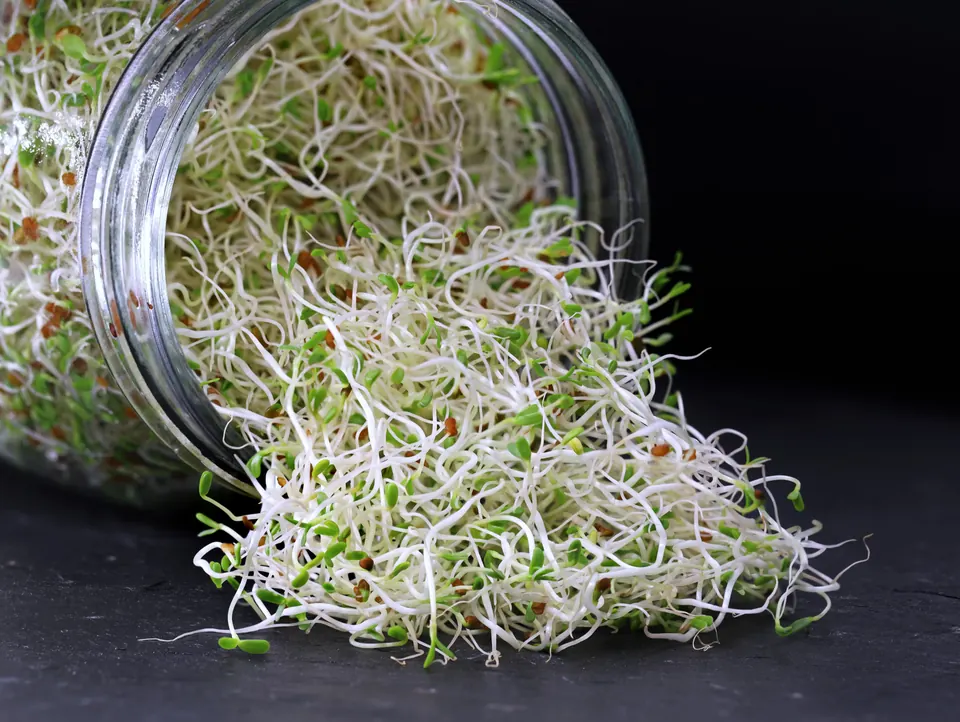
Short answer: put 1 tablespoon of alfalfa seed in a quart jar with a mesh lid. Soak it for 4 to 12 hours, drain well, then rinse and drain twice a day at room temperature. On day 5, give the jar a few hours of indirect light to green the leaves, rinse once more, dry them and refrigerate. One tablespoon makes about 1½ to 2 cups of sprouts.
What are alfalfa sprouts?
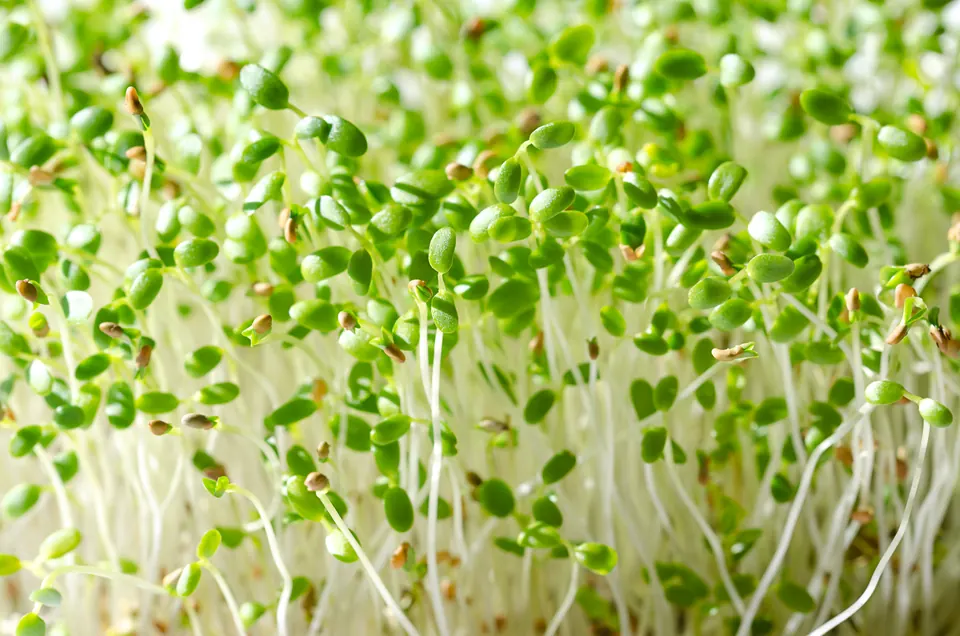
Alfalfa (Medicago sativa) is a legume grown around the world as hay for animals. Its tiny seeds also make one of the most popular sprouts. After about 5 days in a jar, each seed grows a thin white stem, a small root and two little green leaves.
They taste fresh and slightly nutty, with none of the heat of radish or mustard. That's why they're the sprout you find on sandwiches and in wraps. They're also one of the most forgiving sprouts to grow, which makes them a good first seed for beginners.
What you need
- 1 tablespoon of alfalfa seed sold for sprouting
- A 1-quart (1-liter) wide-mouth jar
- A mesh sprouting lid, or cheesecloth and a rubber band
- A bowl or rack to hold the jar upside down at an angle
One tablespoon may not look like much, but alfalfa expands to fill most of a quart jar by day 5. Two tablespoons is the most a quart jar can handle. More than that and the middle stays wet.
How to grow alfalfa sprouts, day by day
- Day0
Rinse and soak for 4–12 hours
Rinse the seed in the jar, then cover it with about 1 cup of cool water. Soak for 4 to 12 hours. An overnight soak is fine for alfalfa.
- Day1
Drain well
Pour off the soak water. Tap the jar and turn it until no more drips come out. Set it upside down at an angle in a bowl, out of direct sun.
- Day1–4
Rinse and drain twice a day
Fill the jar with cool water and swirl it. Then drain and tap it dry. Shake the jar gently to loosen the clump so the middle gets air.
- Day5
Green them up
When most small leaves have opened, put the jar near a bright window, out of direct sun, for 4 to 8 hours. The leaves turn green.
- Day5
Remove hulls, then dry and chill
Swish the sprouts in a bowl of water and skim off the floating hulls if you like. Drain or spin them dry, then refrigerate.
Break up the mat. By day 3, alfalfa roots tangle into a dense mat. After each rinse, give the jar a gentle shake or roll it on its side so the sprouts spread along the glass. More surface means more air and fewer soggy spots.
Soak time: 4 or 12 hours?
Sprouting.com gives alfalfa a soak of 4 to 12 hours.1 Alfalfa is more forgiving than small brassica seeds like broccoli, which can lose germination with long soaks. A soak that runs overnight works fine. If you're short on time, 4 hours is enough.
Temperature
Alfalfa grows best between 65 and 75°F (18 to 24°C). Cooler rooms add a day or two. In a hot kitchen, add a third rinse and keep the jar out of the sun, because heat and wet seed together cause most failed batches.
How many sprouts you get
Sprouting.com gives a yield of about 1½ to 2 cups of sprouts from 1 tablespoon of seed.1
| Dry seed | Jar | Sprouts at day 5 |
|---|---|---|
| 1 tbsp (about 8 g) | 1 quart / 1 L | 1½–2 cups |
| 2 tbsp (about 16 g) | 1 quart / 1 L (full) | 3–4 cups |
| 3 tbsp | Half-gallon / 2 L, or a tray sprouter | 4½–6 cups |
Alfalfa sprouts keep for about 5 days, so starting a new jar every 3 or 4 days keeps a steady supply.
Alfalfa sprouts nutrition and benefits
Here's what USDA FoodData Central lists for 100 g (about 3 cups, loosely packed) of raw alfalfa sprouts.2
| Nutrient | Per 100 g raw |
|---|---|
| Calories | 23 kcal |
| Protein | 4.0 g |
| Carbohydrates | 2.1 g |
| Fiber | 1.9 g |
| Vitamin K | 30.5 µg |
| Folate | 36 µg |
| Vitamin C | 8.2 mg |
| Calcium | 32 mg |
| Magnesium | 27 mg |
| Iron | 1.0 mg |
The real benefit of alfalfa sprouts is simple: they add a big, fresh handful of greens to a meal for almost no calories. They also bring some vitamin K, folate and fiber. That's enough reason to eat them.
You'll see bigger claims online about alfalfa sprouts and cholesterol or hormones. These mostly come from animal studies or from alfalfa supplements, not from eating sprouts. There isn't good evidence that a serving of alfalfa sprouts treats or prevents any disease.
If you take blood thinners: alfalfa sprouts contain some vitamin K. If you take warfarin, you don't need to avoid them, but keep the amount you eat steady from week to week and tell your doctor if you plan to eat a lot more.
Are alfalfa sprouts safe?
Food safety: raw alfalfa sprouts have been linked to many food-poisoning outbreaks. The FDA lists alfalfa among the sprouts that young children, pregnant people, older adults and anyone with a weakened immune system should not eat raw or lightly cooked.3 Health Canada advises everyone to cook sprouts well.4
If you choose to eat them raw, lower the risk:
- Buy seed sold for sprouting. This matters more than anything else you do at home.
- Wash the jar and lid in hot, soapy water before each batch.
- Don't pack the jar. Too much seed traps water and invites spoilage.
- Dry before you refrigerate, and eat them within about 5 days.
- Throw out any batch that smells musty or sour.
Alfalfa and lupus
Alfalfa seeds and sprouts contain L-canavanine, an amino acid that has been linked to lupus-like illness. In lab and animal research, alfalfa sprouts brought on lupus-like disease in monkeys, and flares have been reported in people taking alfalfa tablets.56 If you have lupus or another autoimmune condition, avoid alfalfa sprouts and supplements unless your doctor says otherwise. Red clover is a good mild alternative.
Problems and fixes
| What you see | Likely cause | What to do |
|---|---|---|
| Musty or sour smell | Water trapped in a packed jar | Throw out the batch. Use 1 tbsp of seed and drain at a steeper angle |
| Few seeds sprouting | Old seed or a cold room | Keep the jar above 65°F (18°C). Replace seed if two batches fail |
| White fuzz on day 2–3 | Root hairs (normal) | Rinse. Fuzz that flattens when wet is root hairs. Gray or smelly fuzz is mold |
| Wet, matted middle | Not enough air | Shake the jar after each rinse, or switch to a tray sprouter |
| Pale yellow leaves | No light at the end | Give them 4 to 8 hours of indirect light on the last day |
| Short shelf life | Stored wet or with hulls | Remove hulls, then dry well before refrigerating |
If you can't tell root hairs from mold, see mold on sprouts vs root hairs.
Growing alfalfa as microgreens
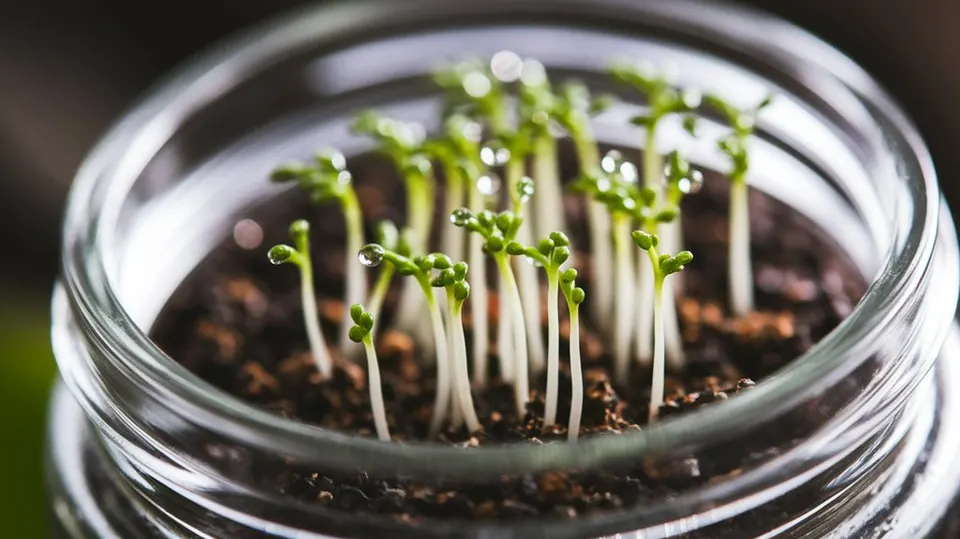
Alfalfa can also grow on a tray of soil or a grow mat for 8 to 12 days. The result is a taller, leafier green with the same mild taste. It's not as popular as microgreens like broccoli or sunflower, because alfalfa stays small, but it works well mixed with other seeds. Sow about 15 to 20 g per 10 × 20 inch tray. The microgreens guide covers the method.
How to store alfalfa sprouts
Dry sprouts last longer. After the final rinse, let them drain for several hours or spin them in a salad spinner. Store them in a covered container lined with a paper towel.
They keep about 5 days, and up to a week if they went in dry and de-hulled. Don't freeze them. Frozen alfalfa sprouts turn to mush.
How to eat alfalfa sprouts
Alfalfa is the most neutral sprout, so it goes with almost anything.
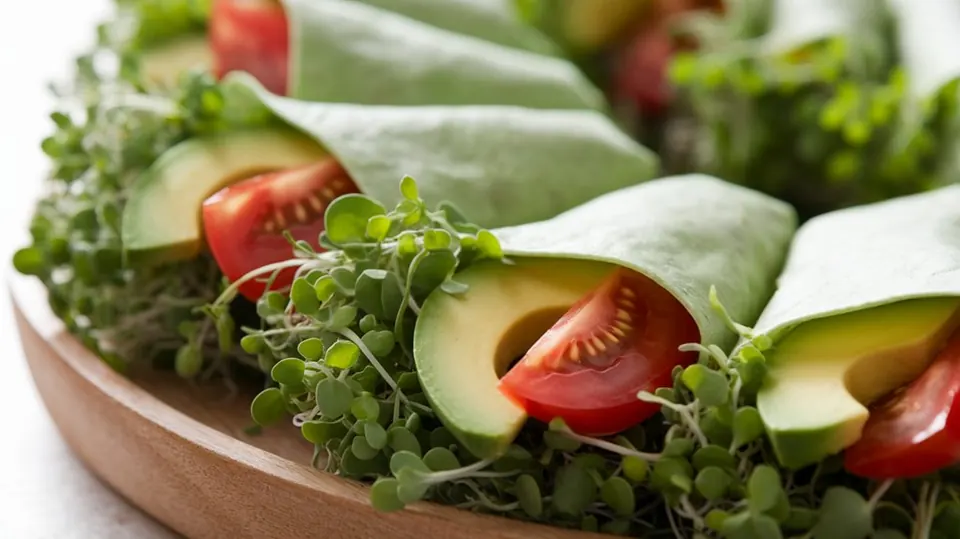
- Sandwiches and wraps: the classic use, especially with avocado and tomato.
- Salads: a loose handful on top of greens.
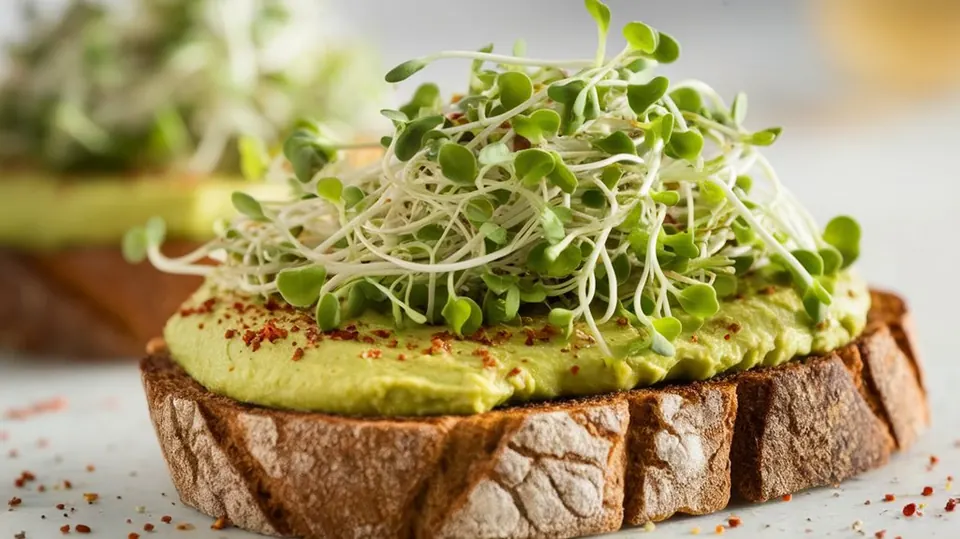
- Toast: on avocado toast with chili flakes and lemon.
- Soups: stirred in just before serving, which also cooks them lightly.
- Omelets: folded in at the end.
Try these recipes:
Where to buy alfalfa seeds for sprouting
Buy seed labeled for sprouting, not alfalfa seed sold for farm planting, which may be coated or treated. We link to Sprouting.com, a Canadian company that sells alfalfa seed for sprouts and microgreens. Alfalfa also appears in several of their sprouting blends, such as salad and sandwich mixes.
Store the seed in a cool, dry, dark place. Kept sealed, it should sprout well for at least a year, and longer in the fridge.
What to sprout next
- Red clover: very similar, slightly sweeter, and a good swap if you avoid alfalfa.
- Broccoli: a little sharper, and famous for sulforaphane.
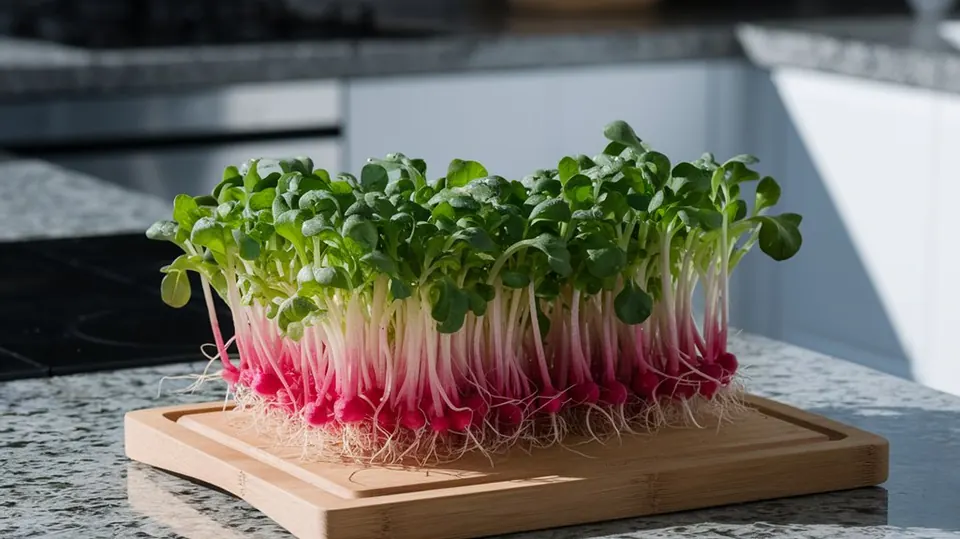
- Radish: spicy and fast. Mix 1 part radish to 3 parts alfalfa for a zippier jar.
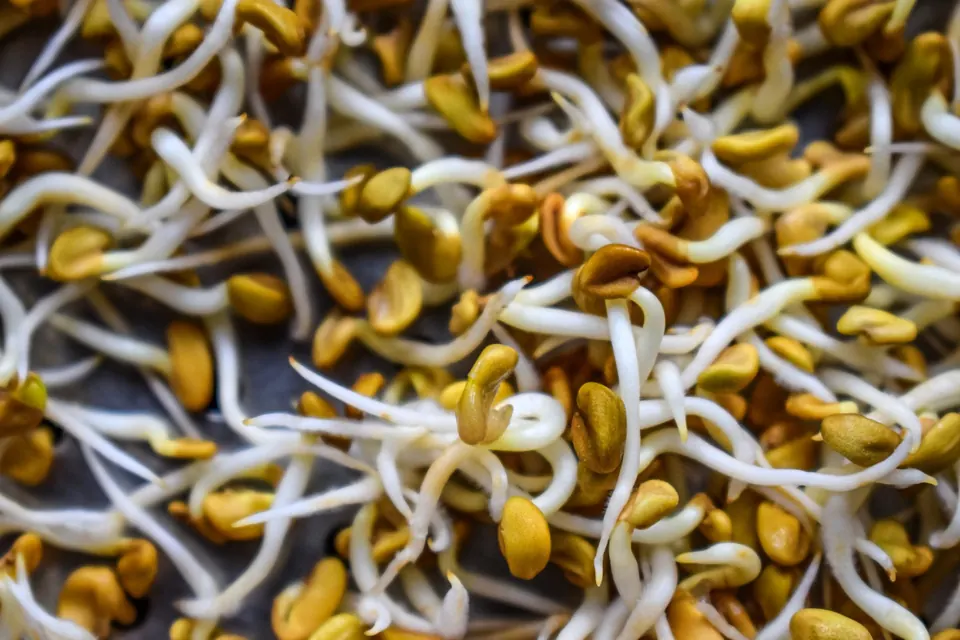
- Fenugreek: bitter-sweet and great in Indian dishes.
Browse every seed in the Seed Library.
Recipes with alfalfa
Alfalfa FAQ
How long does it take to grow alfalfa sprouts?
About 5 days. Soak the seed for 4 to 12 hours, then rinse and drain twice a day. Most batches are ready on day 5, when the small leaves have opened. In a cool room, it can take 6 or 7 days.
What are the benefits of alfalfa sprouts?
Alfalfa sprouts are very low in calories, about 23 per 100 g, and add vitamin K, folate, vitamin C and fiber to a meal. They're an easy way to add fresh greens to sandwiches and salads. Claims that they treat disease aren't backed by good human evidence.
Are alfalfa sprouts safe to eat?
Raw alfalfa sprouts have been linked to food-poisoning outbreaks. The FDA says higher-risk groups should not eat raw or lightly cooked sprouts, and Health Canada advises everyone to cook sprouts. People with lupus should also avoid alfalfa because of a compound called L-canavanine.
Do alfalfa sprouts need light?
Not to grow. Keep them out of direct sun. On the last day, a few hours of indirect light turns the small leaves green. This is optional and mostly changes the colour and taste a little.
How do I get rid of alfalfa hulls?
Put the finished sprouts in a big bowl of cool water and swish them gently. Many brown hulls float to the top so you can skim them off. Removing hulls is optional, but it helps the sprouts keep longer.
How long do alfalfa sprouts last in the fridge?
About 5 days, sometimes up to a week, if they go into the fridge dry. Store them in a covered container lined with a paper towel. Throw them out if they smell musty or feel slimy.
Why do my alfalfa sprouts smell bad?
Usually too much water. Alfalfa packs tightly in a jar, and water trapped in the middle goes sour. Use less seed, drain at a steep angle, and tap the jar dry after every rinse. A batch that smells bad should be thrown out.

Written by Michael
A passionate sprouting professional sharing practical tips for growing sprouts and microgreens at home. More about Michael
Sources
- Sprouting.com (Mumm's Sprouting Seeds). Alfalfa: days to sprout, soak time and yield. Link
- U.S. Department of Agriculture, Agricultural Research Service. FoodData Central (SR Legacy and Foundation Foods), values per 100 g. Link
- U.S. Food and Drug Administration. Selecting and Serving Produce Safely. Link
- Health Canada. Food safety tips for sprouts. Link
- Alcocer-Varela J, et al. Effects of L-canavanine on T cells may explain the induction of systemic lupus erythematosus by alfalfa. Arthritis & Rheumatism, 1985. Link
- Montanaro A, Bardana EJ. Dietary amino acid-induced systemic lupus erythematosus. Rheumatic Disease Clinics of North America, 1991. Link