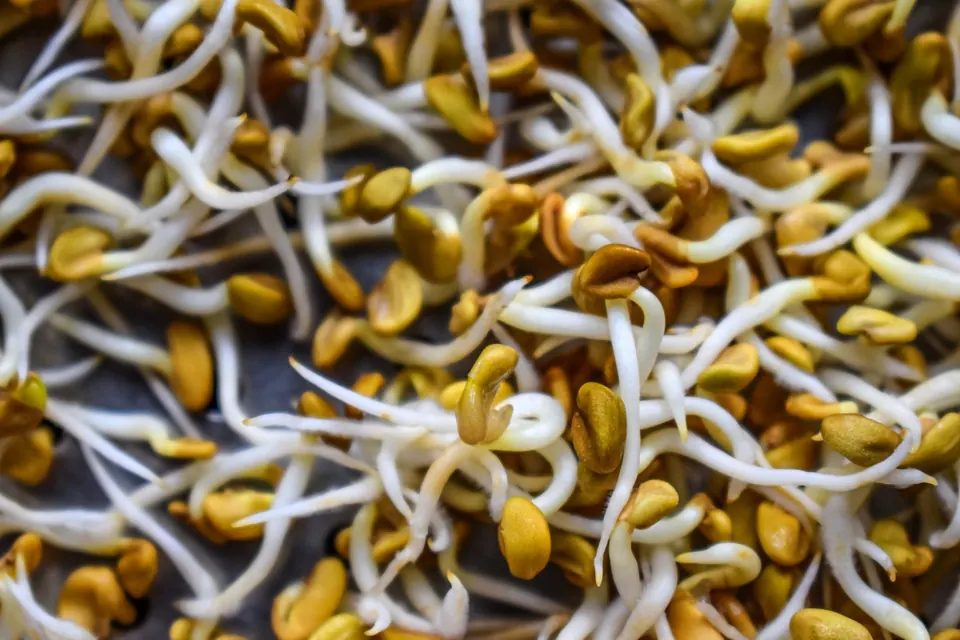
Short answer: soak 2 tablespoons of fenugreek seed in cool water for 6 to 12 hours. Drain, then rinse and drain twice a day in a jar kept out of direct light. Harvest at day 3 to 5, when the tails are ½ to 1 inch long, before the bitterness builds. Cook them briefly or add them to curries and flatbreads.
What are fenugreek sprouts?
Fenugreek (Trigonella foenum-graecum) is a small legume whose hard, yellow-brown seeds are a common spice in Indian, Middle Eastern and North African cooking. In Hindi it's called methi. Sprouted, the seeds grow short white tails and turn crunchy, with the plant's famous maple-syrup smell and a bitter edge.
They're a good sprout to grow when you want flavour, not just crunch. A small amount transforms a curry, a dal or a flatbread.
What you need
- 2 tablespoons of fenugreek seed, ideally sold for sprouting
- A 1-quart (1-liter) jar with a mesh sprouting lid
- A bowl to drain the jar upside down
Kitchen-spice fenugreek can sprout, but it's often old or roasted. Seed sold for sprouting is fresher and more even.
How to grow fenugreek sprouts, day by day
- Day0
Rinse and soak for 6–12 hours
Rinse the seed, then cover it with about 1 cup of cool water. Soak for 6 to 12 hours. The water turns yellow and smells strongly of fenugreek, which is normal.
- Day1
Drain and rinse
Pour off the soak water, rinse well and drain. Set the jar upside down at an angle, away from bright light.
- Day1–3
Rinse twice a day
Rinse and drain morning and evening. The seeds feel slightly slippery. That's fine as long as they don't smell sour.
- Day3–5
Harvest early
When the tails are ½ to 1 inch (1 to 2.5 cm) long, rinse them once more, drain well and refrigerate.
Keep them dark for a milder sprout. Light turns fenugreek sprouts green and more bitter. Cover the jar with a tea towel and harvest early. If you want them greener for colour, give them only a few hours of light at the end.
Taming the bitterness
Fenugreek is meant to be a little bitter. Here's how to keep it pleasant:
- Harvest early. Day 3 sprouts are much milder than day 6.
- Rinse well. A good rinse before eating washes off some of the bitter taste.
- Cook them. A quick sauté in oil with cumin and salt mellows them.
- Pair them with sweet or creamy foods. Potatoes and coconut milk both balance fenugreek.
Fenugreek sprouts and health
Fenugreek has a long history in traditional medicine. Here's what the research summaries actually say:
- Blood sugar. NCCIH notes that research suggests fenugreek may help lower blood sugar in people with type 2 diabetes, but many studies weren't high quality. Large doses may cause a harmful drop in blood sugar.1
- Cholesterol. Memorial Sloan Kettering says fenugreek may help lower blood sugar and cholesterol, but the data is limited and more studies are needed.2
- Side effects. Possible side effects include diarrhea and nausea, and some people have allergic reactions.1
- Pregnancy. NCCIH says fenugreek isn't safe in pregnancy in amounts greater than those found in food, and its use has been linked to birth defects.1
A small bowl of sprouts is a food amount, not a medicine. If you take diabetes medication or blood thinners, or you're pregnant, talk to your doctor before eating fenugreek often.
Food safety
Fenugreek sprouts suit cooking anyway. Stir them into curries for the last 5 minutes, fry them with spices or knead them into paratha dough.
Problems and fixes
| What you see | Likely cause | What to do |
|---|---|---|
| Very bitter | Grown too long or in light | Harvest at day 3 to 4 and keep the jar dark |
| Sour smell | Poor draining or a hot room | Throw it out. Drain well and rinse three times a day in heat |
| Few seeds sprouting | Old spice-shop seed | Use fresh seed sold for sprouting |
| Slimy feel | Natural for fenugreek | A light slip is normal. Sliminess with a bad smell is spoilage |
How to store fenugreek sprouts
Drain them well and refrigerate them in a covered container lined with a paper towel. They keep about 4 to 5 days. They also freeze well for cooking: freeze them on a tray, then move them to a bag.
How to cook with fenugreek sprouts
- Paratha and roti: knead them into the dough. See sprouted methi paratha.
- Curries: add them for the last few minutes. Try fenugreek sprout and potato curry.
- Mixed sprout dishes: combine them with mung beans in a mixed sprouts curry or sprouted moong salad.
- Stir-fries: fry them with onion and cumin.
Where to buy fenugreek seed for sprouting
We link to Sprouting.com, a Canadian company that sells fenugreek seed for sprouting. Stock can vary, so check the product page. Store fenugreek seed in a cool, dry place.
What to sprout next
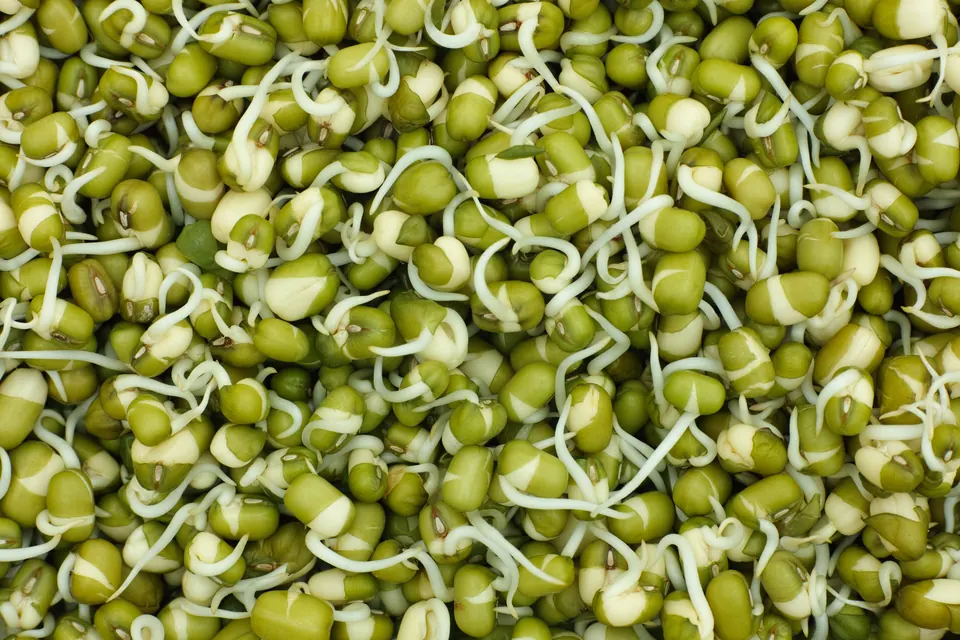
- Mung beans: pair them with fenugreek in Indian dishes.
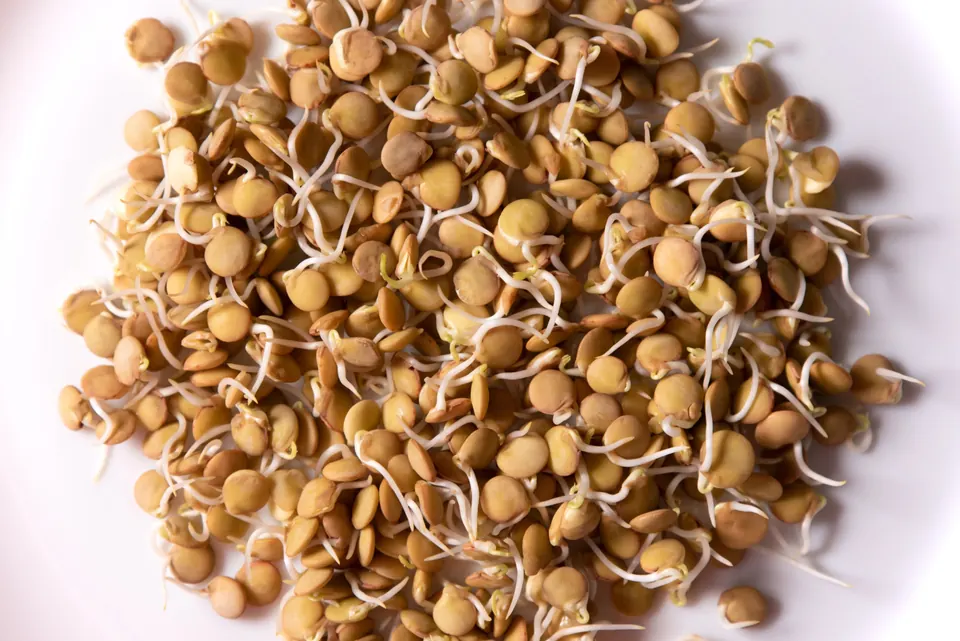
- Lentils: quick, filling sprouts.
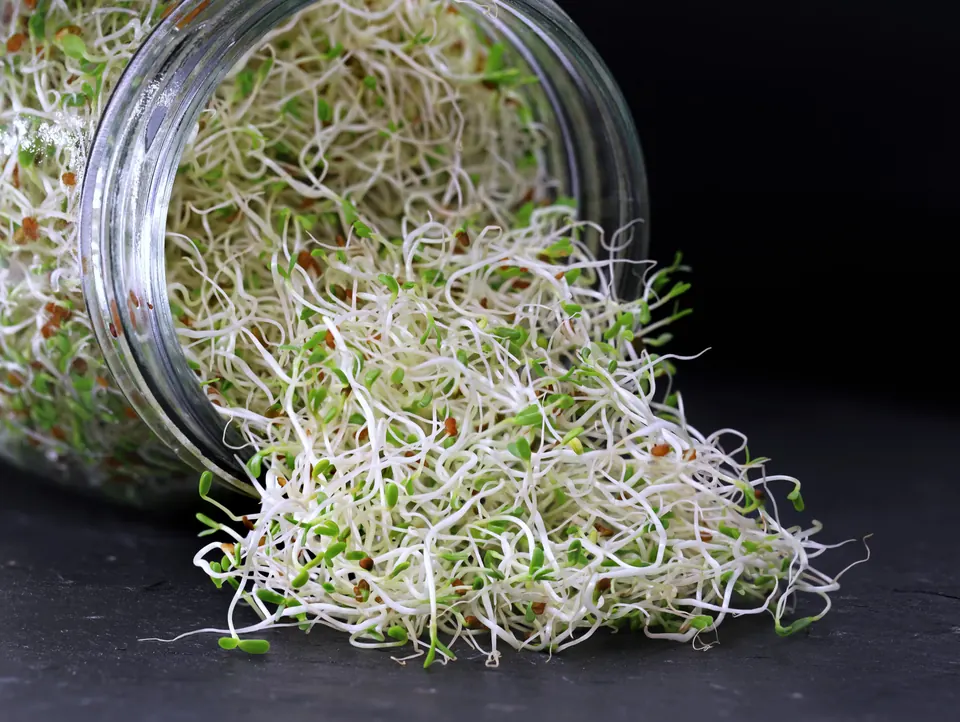
- Alfalfa: a mild sprout to balance fenugreek's bite.
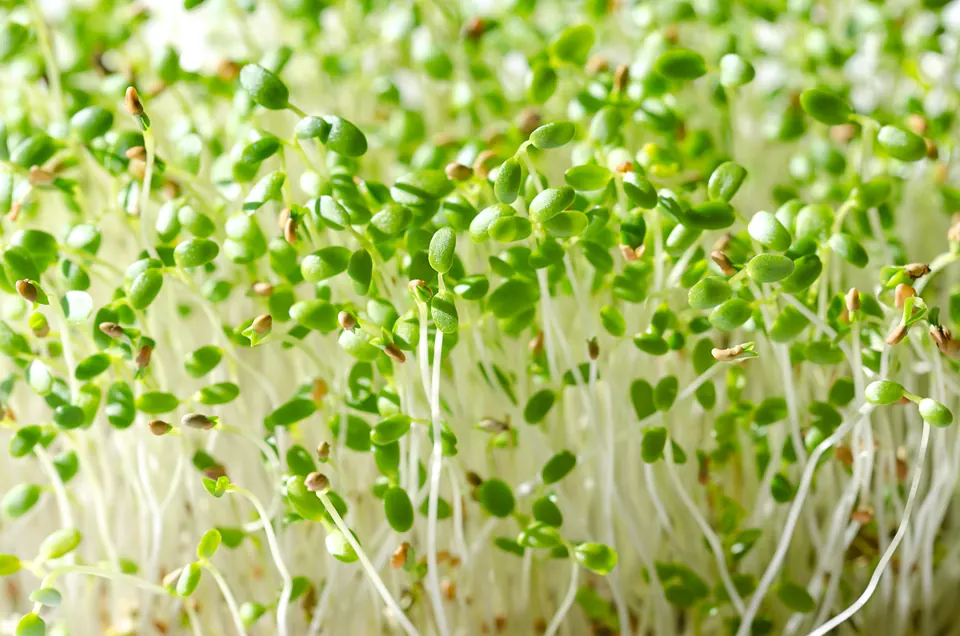
- Clover: sweet and tender.
Browse every seed in the Seed Library.
Recipes with fenugreek
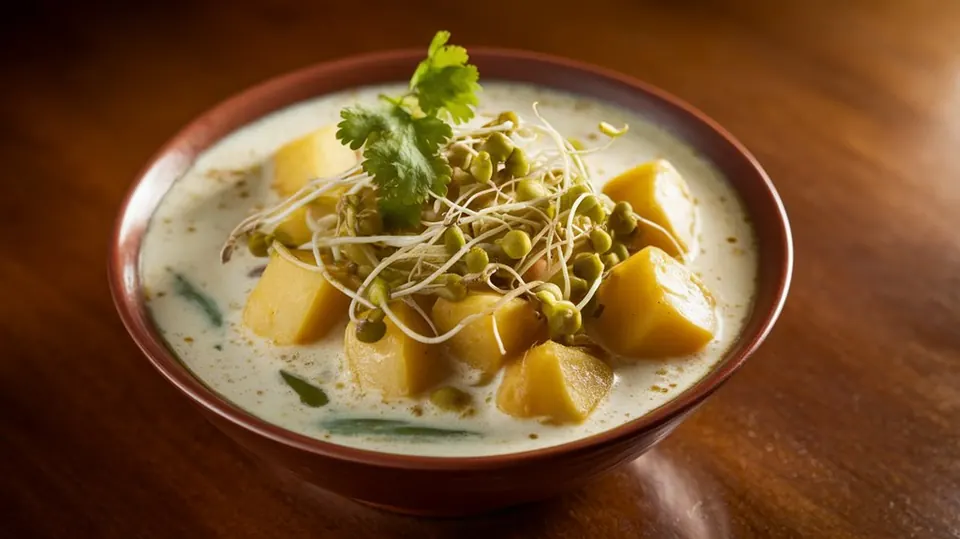 Fenugreek Sprout and Potato Curry With Coconut Milk
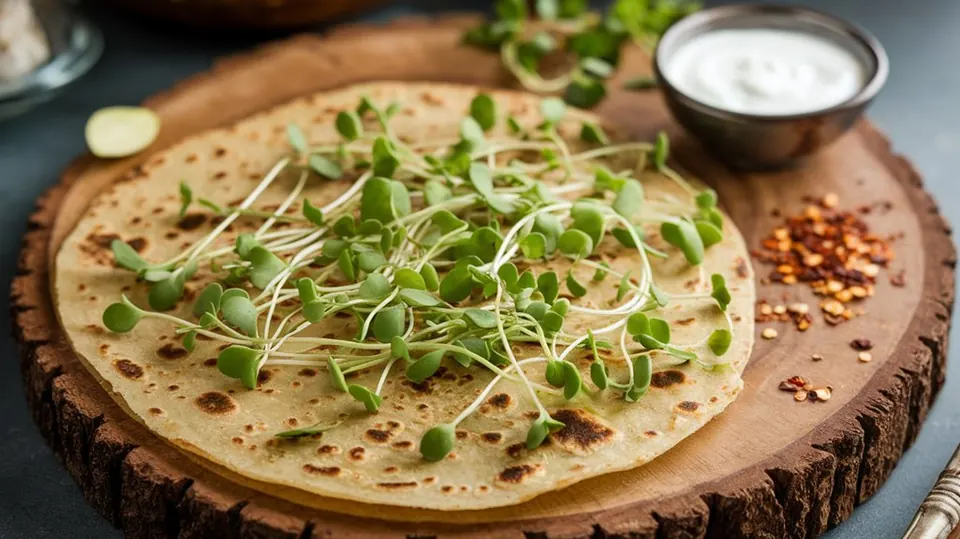 Sprouted Methi Paratha (Fenugreek Flatbread)
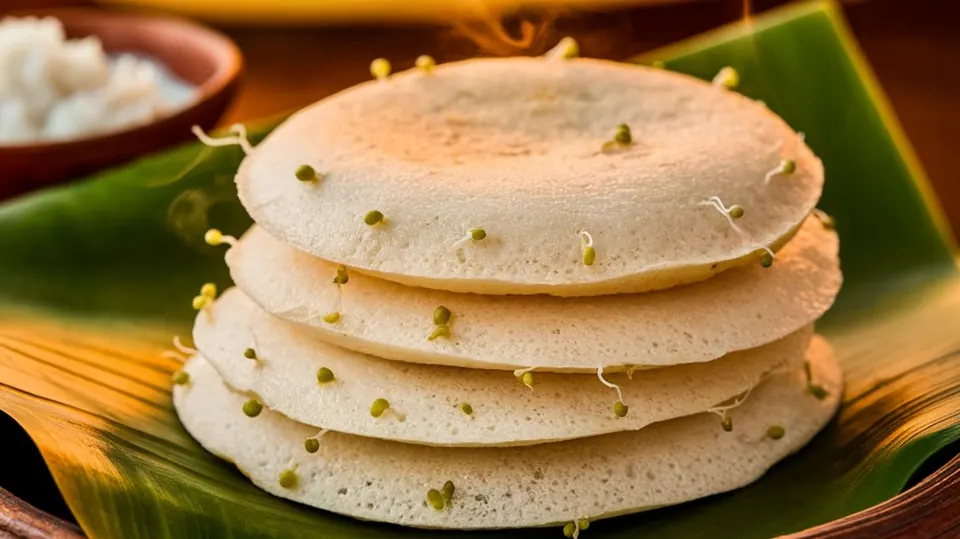 Sprouted Idli With Whole Black Gram
Fenugreek FAQ
How long do fenugreek sprouts take to grow?
About 3 to 5 days after a 6 to 12 hour soak. For the mildest taste, harvest when the tails are ½ to 1 inch (1 to 2.5 cm) long. The longer they grow, the more bitter they get.
Why are my fenugreek sprouts so bitter?
Fenugreek is naturally bitter, and the bitterness grows as the sprouts get longer and greener. Harvest them early, keep them out of the light, and cook them with a little fat or something sweet to balance the taste.
Are fenugreek sprouts safe in pregnancy?
The usual advice is caution. NCCIH says fenugreek isn't safe in pregnancy in amounts greater than those found in food, and has been linked to birth defects. Raw sprouts also carry a food-poisoning risk. If you're pregnant, talk to your doctor and skip raw sprouts.
Does fenugreek lower blood sugar?
Small studies suggest fenugreek may help lower blood sugar in type 2 diabetes, but the evidence isn't strong. Large amounts may drop blood sugar too far. If you take diabetes medication, talk to your doctor before eating fenugreek often.
What is methi?
Methi is the Hindi name for fenugreek. The seeds, leaves and sprouts are used across Indian cooking, in curries and flatbreads. Fenugreek sprouts are sometimes called sprouted methi.

Written by Michael
A passionate sprouting professional sharing practical tips for growing sprouts and microgreens at home. More about Michael