|

Microgreen Pesto Three Ways: Pea, Sunflower, Broccoli

Can you make pesto with microgreens?

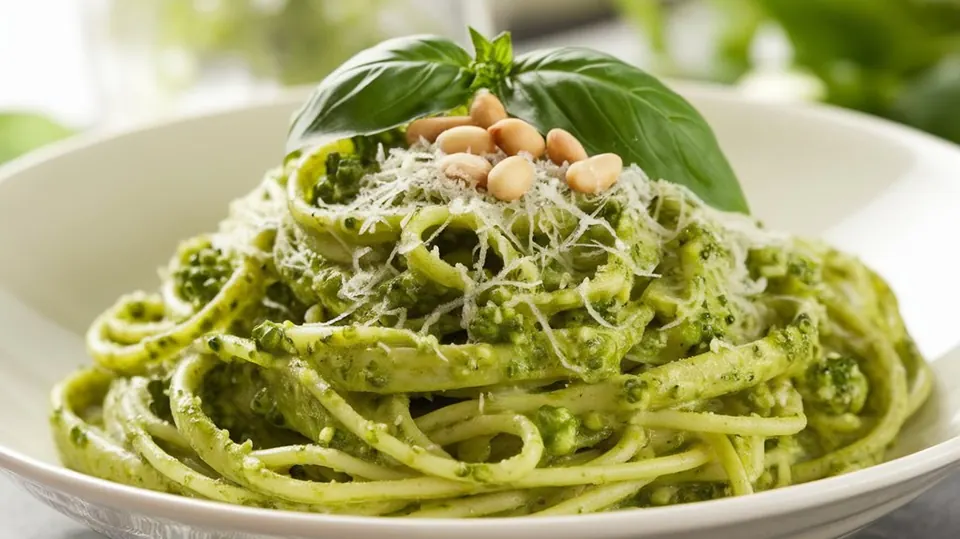
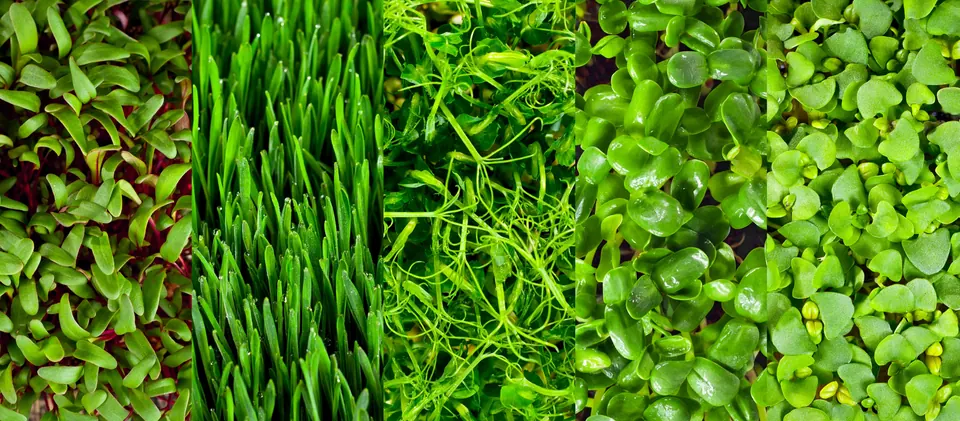
Yes, and in many ways microgreens make better pesto than shop-bought basil. They are harvested fresh, blend quickly with less oil, and produce three completely different flavour profiles depending on which variety you use. Pea shoot pesto is sweet and light. Sunflower microgreen pesto is rich and nutty. Broccoli or radish microgreen pesto is bold and peppery. One blender session with the right greens gives you something no jar from a supermarket shelf can match.

Here is something most pesto recipes do not tell you: basil is only one option, and it is not always the best one.

Shop-bought basil wilts within days of purchase, costs more than most people realise for the amount of pesto it produces, and gives you exactly one flavour, every time.

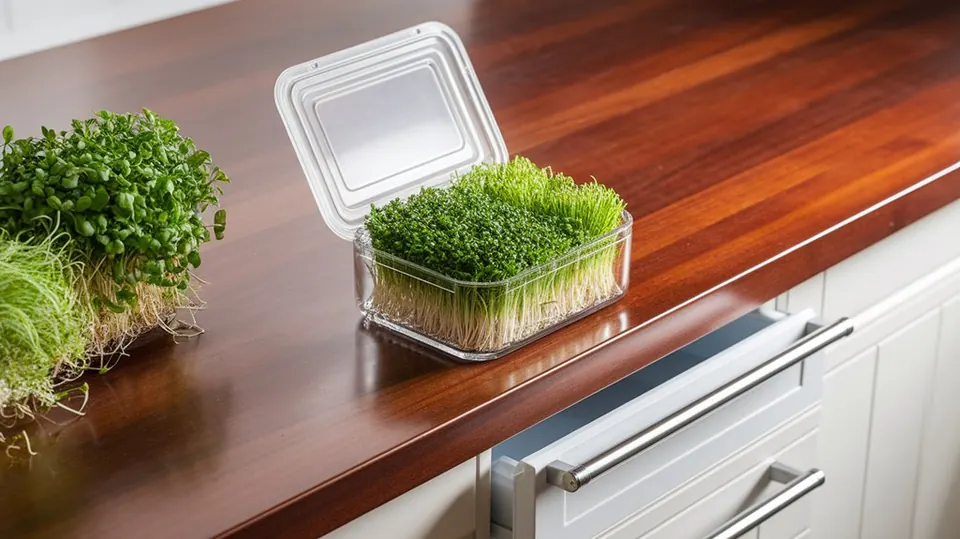
If you are already growing microgreens at home, you have a better option sitting on your counter. Pea shoots, sunflower microgreens, and broccoli microgreens all make outstanding pesto. Each one produces a completely different result. And because you harvest them fresh and blend them the same morning, you get flavour and nutrition that a shop-bought bunch cannot compete with.

This post walks through the base recipe that works for any microgreen variety, then covers the specific adjustments that make each of the three versions taste exactly as it should.

Why microgreens work so well in pesto

Traditional pesto calls for soft, flavourful greens that blend smoothly with oil, garlic, cheese, and nuts. Basil fits that description. So do several microgreen varieties, for different reasons.

They are already soft.
Microgreens are young seedlings with tender leaves and stems. They blend more quickly and take less oil than mature leaves or herbs, which means you get a silkier texture with less effort and a slightly lighter result.

They are harvested fresh.
When you grow your own microgreens and harvest them the morning you make pesto, you are blending greens at their nutritional and flavour peak. Vitamin C and folate start degrading after cutting. A fresh harvest has none of that loss.

The flavour range is wider.
Basil pesto is a single flavour note. Pea shoot pesto is sweet and gentle, with a flavour that reminds you of fresh garden peas. Sunflower microgreen pesto is richer and earthier, closer in body to a walnut pesto than a basil one. Broccoli or radish microgreen pesto has a peppery, slightly spicy edge. You can choose based on what you are cooking that night.

They are already growing in your kitchen.
If you have a tray of pea shoots or sunflower microgreens ready to harvest, you already have everything you need for a batch of pesto. No extra shopping required.

The base recipe (works for all three varieties)

These ratios produce a pesto with a good balance of creaminess, depth, and brightness. Adjust to taste once blended.

Ingredients:

  • 2 cups (roughly 60g) fresh microgreens, packed loosely
  • 1 small clove garlic (start with one, add more if you like it stronger)
  • 3 tbsp nuts or seeds (pine nuts, walnuts, or sunflower seeds for a nut-free version)
  • 3 to 4 tbsp extra-virgin olive oil
  • 1 tbsp fresh lemon juice
  • 40g parmesan or pecorino, finely grated (or nutritional yeast for a vegan version)
  • A pinch of salt and a few grinds of black pepper

Method:

  1. Add the microgreens, garlic, nuts, cheese, and lemon juice to a food processor or blender.
  2. Pulse five to six times to break everything down roughly. You want the greens and nuts to be chopped but not yet smooth. This step matters more than people realise. Blending from dry before adding oil gives you a more textured, flavourful result than throwing everything in at once.
  3. With the processor running on low, slowly pour in the olive oil through the feed tube. Stop when the pesto reaches your preferred consistency. Some people like it thick enough to hold its shape; others prefer it looser and more spreadable. Both are correct.
  4. Taste and adjust. Add more lemon for brightness, more salt if it needs depth, more oil if it is too thick, or more cheese if you want more body.
  5. Transfer to a jar and pour a thin film of olive oil over the surface before sealing. This prevents oxidation and keeps the colour vivid.

That is the base. What changes between the three varieties is the choice of nuts, the lemon quantity, and a few optional additions that draw out the character of each green.

Pesto 1: Pea Shoot Pesto

Flavour profile:
Sweet, fresh, and light. Closer to a spring herb sauce than a traditional pesto. Mild enough for children and people who find basil pesto too intense.

Best used with:
Pasta, especially fresh or thin pasta like angel hair or tagliatelle. Spread on flatbreads or pizza bases before baking. Stirred into risotto at the end of cooking. Spooned over poached eggs on toast.

Adjustments to the base recipe:

  • Use pine nuts if available. Their mild sweetness matches the pea shoot flavour without competing with it. Cashews also work well.
  • Add a few fresh mint leaves alongside the pea shoots. Mint amplifies the sweet, fresh quality of the pea shoot flavour and makes the pesto taste particularly good with pasta.
  • Use a little extra lemon juice. Pea shoot pesto benefits from brightness to stop it tasting flat.
  • Consider less cheese than in the base recipe, or a milder variety. The delicate flavour of pea shoots can get overwhelmed by a strong pecorino. A light parmesan or a small amount of ricotta works better.

Colour: Vivid green, brighter than basil pesto. It fades quickly at the cut surface so the olive oil film on top is more important here than with the other varieties.

Pesto 2: Sunflower Microgreen Pesto

Flavour profile:
Nutty, rich, and slightly earthy. More body and depth than basil pesto. Satisfying in a way that holds up in heartier dishes.

Best used with:
Thick pasta like rigatoni or penne, which can carry the weight of a denser pesto. Spread on toasted sourdough. Stirred into warm grain bowls with roasted vegetables. Used as a dipping sauce for raw vegetables. Dolloped onto soup just before serving.

Adjustments to the base recipe:

  • Use sunflower seeds as the nut component. It is the natural pairing and produces a pesto that is completely nut-free without sacrificing anything. The seeds reinforce the sunflower flavour of the greens in a way that works beautifully. Walnuts also pair well if you want a slightly bitter edge.
  • Add a small amount of miso paste (about half a teaspoon) if you have it. This is optional but it deepens the umami quality of the pesto and rounds out the flavour.
  • Use a little less lemon than in the base recipe. Sunflower microgreen pesto has enough natural richness that too much acid can make it feel unbalanced.
  • The texture benefits from blending slightly longer than the other two. Sunflower seeds need a bit more processing to become fully smooth.

Colour: Deeper green than the pea shoot version, slightly olive-toned rather than bright. The colour holds better than pea shoot pesto after cutting.

Pesto 3: Broccoli or Radish Microgreen Pesto

Flavour profile: Bold, peppery, and slightly spicy. The closest of the three to a wild rocket pesto. Strong enough to stand alongside robust flavours.

Best used with: Pasta with Italian sausage, caramelised onions, or roasted cherry tomatoes. As a spread in sandwiches and wraps in place of mustard. Dolloped onto grilled meat or fish. Mixed into salad dressings for extra punch. Spread on crostini with a soft cheese.

Adjustments to the base recipe:

  • Use walnuts rather than pine nuts. Their slight bitterness plays well with the peppery greens.
  • Add an extra clove of garlic. The bold flavour of broccoli or radish microgreens can handle more garlic than the sweeter varieties.
  • A small handful of fresh basil blended in alongside the microgreens softens the sharp edge if you want something slightly more balanced.
  • Use pecorino rather than parmesan if you have it. Its saltier, sharper flavour suits this bolder pesto better.
  • If using radish microgreens specifically, taste as you go. Radish microgreens are spicier than broccoli and you may want to stop adding greens slightly before two full cups to keep the heat at a level that works in a sauce.

Colour: Deep green with a slightly grey-green tone depending on the variety. It holds its colour well.

Storage and freezing

Refrigerator:
Transfer to a clean jar or airtight container. Pour a thin film of olive oil over the surface before sealing. This is the single most important storage step. Without it, the top layer oxidises quickly and turns an unappealing brown. Stored this way, all three varieties keep well for 4 to 5 days.

Freezer:
Microgreen pesto freezes extremely well, which is one of its practical advantages over basil pesto made from expensive shop-bought herbs. Spoon into an ice cube tray and freeze until solid, then transfer the cubes to a sealed bag. Each cube is roughly one portion. Pull one out the night before and let it thaw in the fridge, or drop it directly into hot pasta or soup where the heat thaws it in seconds. Frozen pesto keeps for up to three months without significant quality loss.

Five ways to use microgreen pesto beyond pasta

Pasta is the obvious starting point, but microgreen pesto is more versatile than most people use it.

1. As a dip for raw vegetables.
Thickened slightly (use a little less oil), any of the three pestos makes an excellent dip for carrots, cucumbers, celery, and radishes. The pea shoot version is the crowd favourite here because of its mild flavour.

2. Stirred into scrambled eggs or an omelette.
Add a teaspoon of pesto to beaten eggs before scrambling, or spoon it on top of a finished omelette. The sunflower version works particularly well with eggs.

3. Spread on pizza or flatbread instead of tomato sauce.
Use as the base before adding toppings. The broccoli or radish version stands up to bolder toppings like caramelised onions, goat cheese, or cured meat.

4. Whisked into salad dressing.
Mix a tablespoon of any pesto with a tablespoon of lemon juice and two tablespoons of olive oil. The result is a dressing with far more character than a standard vinaigrette.

5. Spooned over soups.
A spoonful of sunflower or broccoli microgreen pesto on top of a bowl of tomato soup, minestrone, or white bean soup adds flavour and richness in the same way a good olive oil or salsa verde would.

Making pesto part of your growing routine

Once you start growing microgreens with pesto in mind, the habit reinforces itself. A tray of pea shoots or sunflower microgreens takes 10 to 14 days to reach harvest. A batch of pesto from that tray takes under 10 minutes to make. You get two or three servings of pasta sauce, a week of dips and spreads, and a freezer stocked with individually portioned cubes that go into dinners all month.

It is one of the most efficient things you can do with a tray of home-grown greens.

Want to start growing the greens for your first batch? The guide to growing pea shoot microgreens covers everything from soak to harvest in 10 to 14 days.

For the nutty version, the sunflower microgreens guide explains what makes sunflower microgreens worth growing alongside their pesto potential.

New to microgreens generally? The step-by-step guide to growing microgreens at home is the place to start before your first tray.

Similar Posts

Leave a Reply

Your email address will not be published. Required fields are marked *